
פרוכות לארון קודש
Me'il Torah (מעיל תורה): A Practical Guide to the Torah Scroll's Mantle
A practical guide to the מעיל תורה — the Torah scroll's sacred mantle: design, fabric, care, and dedication customs explained.
מערכת ארגמן · 5 בנובמבר 2026 · 5 דק׳ קריאה
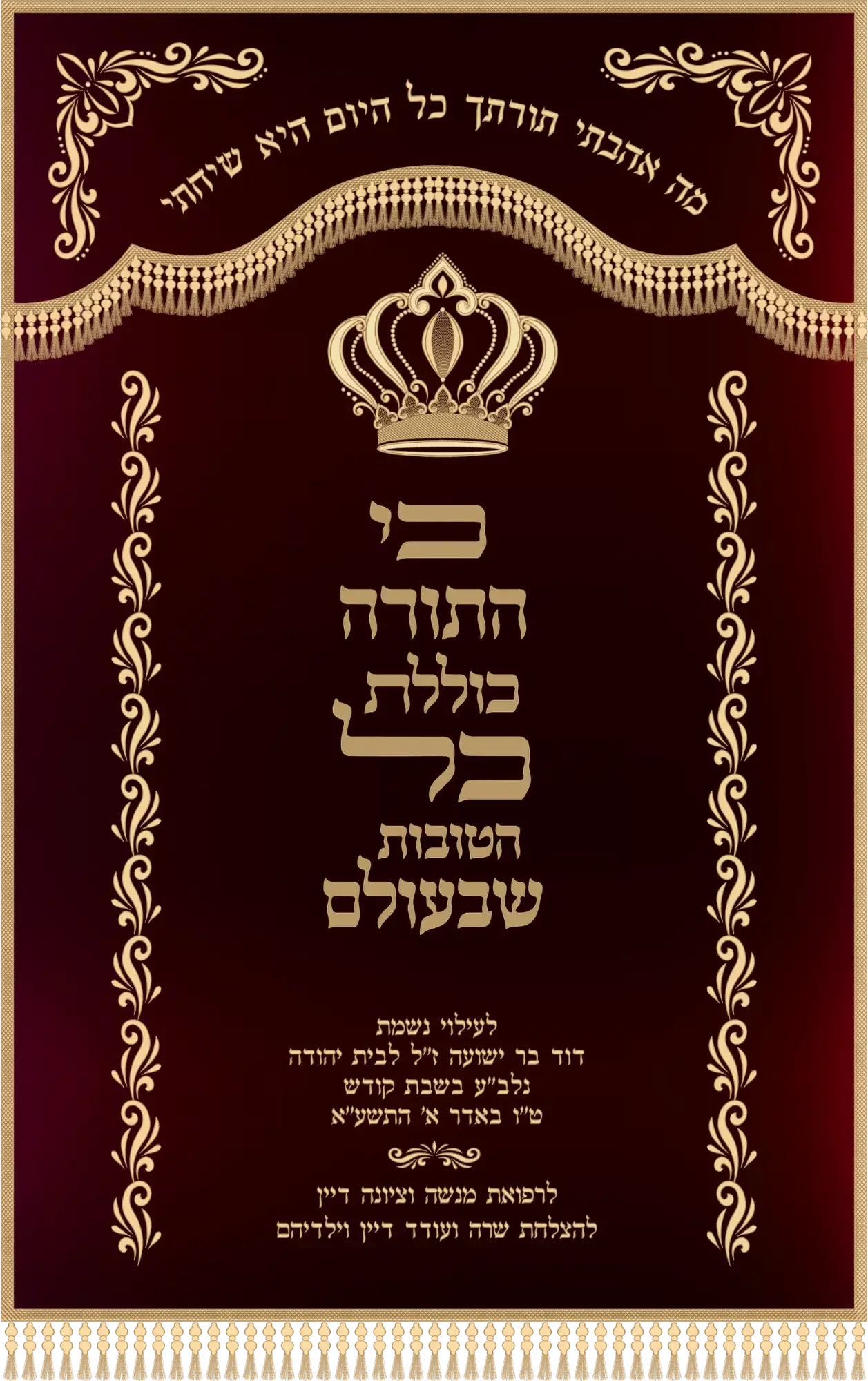
A מעיל תורה is the fabric mantle that slides over a Sefer Torah scroll to cover and protect it, open at the top and slit near the bottom so the wooden staves (atzei chaim) can show through. Far more than a protective cover, a מעיל תורה reflects the honor a congregation gives to the Torah, often echoing the colors and embroidery of the ark curtain, or parochet, hanging in the Heichal. This guide looks at what a מעיל תורה is made of, how communities choose and care for one, and how it can be dedicated in memory or celebration.
In Brief
- A מעיל תורה is the mantle placed over a Sefer Torah scroll, usually open at both ends with slits for the wooden staves to pass through.
- Its fabric, lining, and embroidery are often chosen to complement the synagogue's ark curtain and other Torah ornaments.
- Many congregations rotate mantles by occasion, such as brighter colors for festivals and white for the Days of Awe.
- A worn mantle can be replaced and dedicated in honor of a simcha or in memory of a loved one, continuing the custom of hiddur mitzvah.
What Is a מעיל תורה?
A מעיל תורה is the sewn case that dresses a Sefer Torah scroll whenever it is not being read from. It is cut and stitched to fit a particular scroll's height, slipped over the top of the parchment and rolled staves, and closed near the bottom so only the wooden handles remain visible. Ashkenazi communities most commonly use this soft, open-ended mantle, while many Sephardic and Mizrahi communities keep their scrolls in a rigid, free-standing case; both approaches share the same purpose of shielding the Torah while presenting it with dignity.
The Parts and Design of a Torah Mantle
A Torah mantle is built from several recognizable parts: a crown-shaped or rounded opening at the top, a cylindrical body sized to the scroll, and two slits or side openings near the base for the staves. Many mantles also include a decorative front panel, hand embroidery in silk or metallic thread, and a sturdy lining to help the fabric hold its shape over years of use. Because the mantle is seen each time the Torah is carried through the synagogue, its design is often planned alongside the ark curtain and other Judaica so the Heichal reads as one coordinated, dignified set.
| Occasion | Common Custom |
|---|---|
| Weekdays and regular Shabbat | A standard mantle, usually in the congregation's everyday color |
| Festivals such as Sukkot or Simchat Torah | A brighter or more festive mantle, sometimes with seasonal embroidery |
| Rosh Hashanah and Yom Kippur | Many congregations switch to white mantles, echoing the wider custom of wearing white on the Days of Awe |
Choosing Fabric and Embroidery for a מעיל תורה
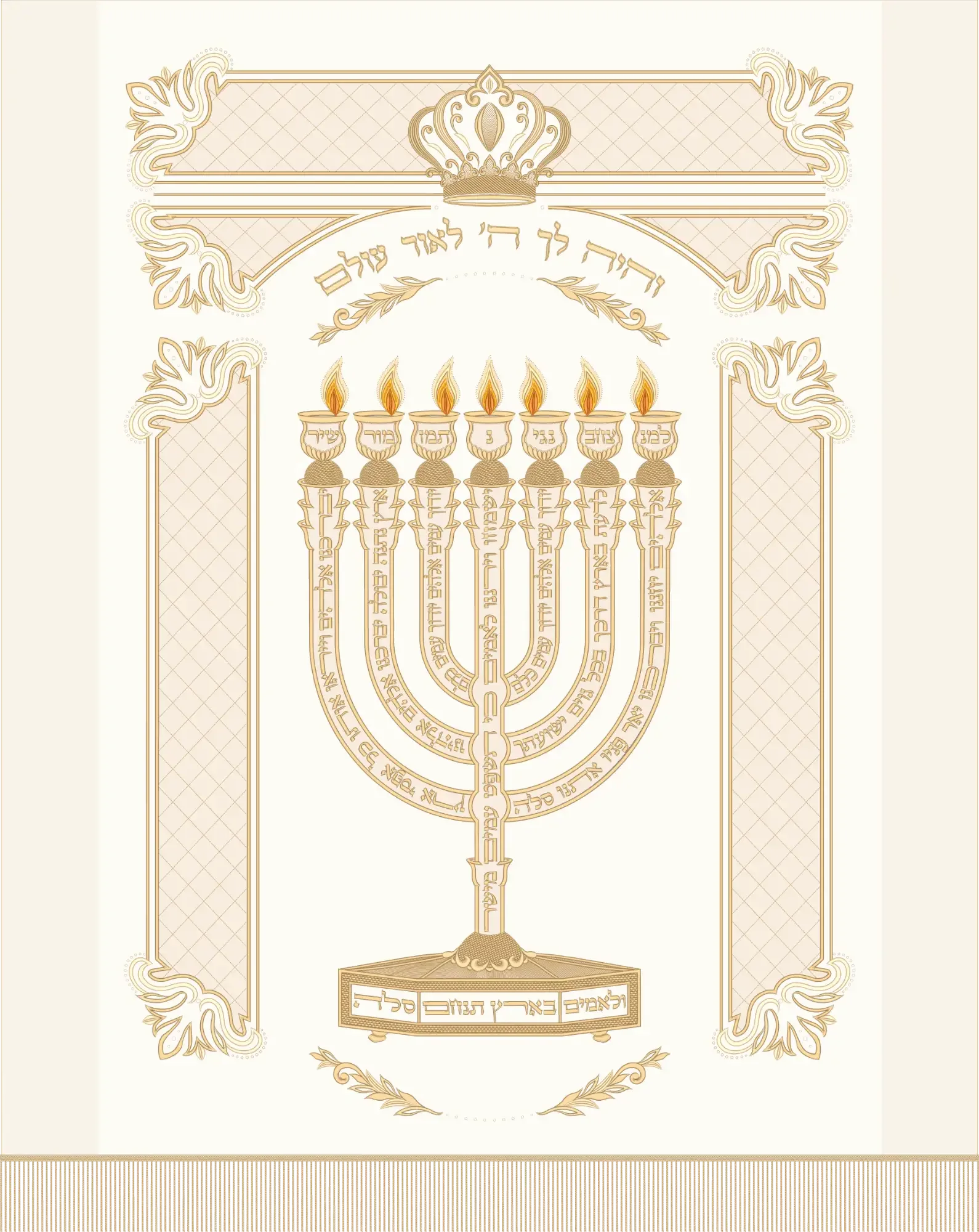
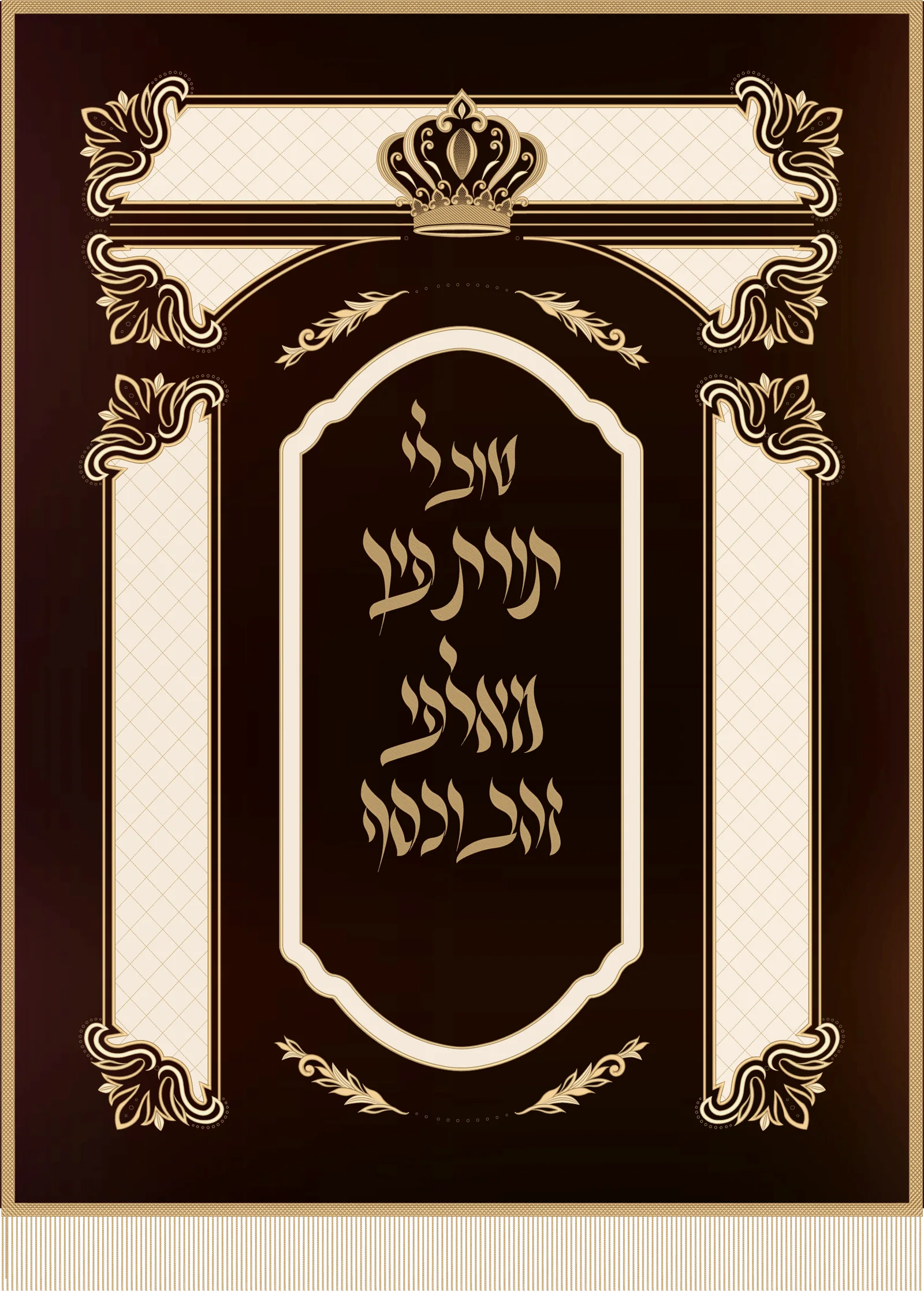
Choosing fabric for a מעיל תורה usually means balancing beauty with durability, since the mantle is handled every time the Torah is taken out and returned. Velvet and heavy silk are popular because they hold embroidery well and drape cleanly over the scroll, while a strong inner lining helps the piece keep its shape through repeated use. Workshops that specialize in hand embroidery, such as Hichala (היכלא), can also design a mantle to match an existing parochet, repeating the same crown, menorah, or tribal motifs so the ark and the scroll it holds feel like a single, unified work. For inspiration, it can help to browse our gallery of parochot and see how recurring symbols move between a curtain and a mantle. A mantle with a crown motif, for instance, pairs naturally with an ark curtain such as this ornate crown parochet, while a design built around the Twelve Tribes complements a piece like this tribes-and-menorah parochet.
Caring for and Storing a Torah Mantle
Caring for a Torah mantle mostly comes down to gentle handling and sensible storage, since embroidery and metallic thread are more fragile than the fabric around them. A few simple habits go a long way toward keeping a mantle presentable for years:
- Lift and carry the scroll by its wooden staves or the mantle's lining, rather than gripping the embroidered front panel.
- Keep the dressed scroll away from direct sunlight, dampness, and extreme heat, all of which can fade dyes and weaken threads over time.
- Have the mantle cleaned by a professional familiar with embroidered textiles rather than washing it at home, since water and detergent can damage metallic thread.
- Check the stave openings and seams periodically, since the repeated motion of sliding the mantle on and off puts the most strain on these spots.
Dedicating a New Torah Mantle
Dedicating a new mantle is a meaningful way for a family or individual to mark a simcha or honor someone's memory while beautifying the Torah itself. Congregations often attach a small embroidered or engraved dedication line to the mantle, similar to the way a dedicated ark curtain might carry a family's name. For readers interested in the broader object the mantle dresses, an overview of the Sefer Torah and the Torah ark it rests in offer helpful background on how these sacred objects relate to one another.
Frequently Asked Questions
What is the difference between a Torah mantle and an ark curtain?
A Torah mantle covers the scroll itself and travels with it whenever it is carried, while the ark curtain, or parochet, hangs in front of the ark and stays in the Heichal; many congregations coordinate the two so their colors and embroidery match.
How often should a synagogue replace its Torah mantle?
There's no fixed timeline; most congregations replace a mantle once the fabric frays or the embroidery loosens, or when a family wishes to dedicate a new one in someone's honor.
Can a Torah mantle be custom designed?
Yes, hand-embroidery workshops can design a mantle around chosen motifs, colors, and dedication text, often matching it to an existing parochet or other Judaica in the synagogue.
From its fitted shape to its embroidered front panel, a מעיל תורה is a small but significant expression of how a community honors the Torah scroll in its care. Choosing one thoughtfully, maintaining it gently, and dedicating it when the time comes all continue a living tradition of hiddur mitzvah that spans generations.
עוד מהעולם של ארגמן
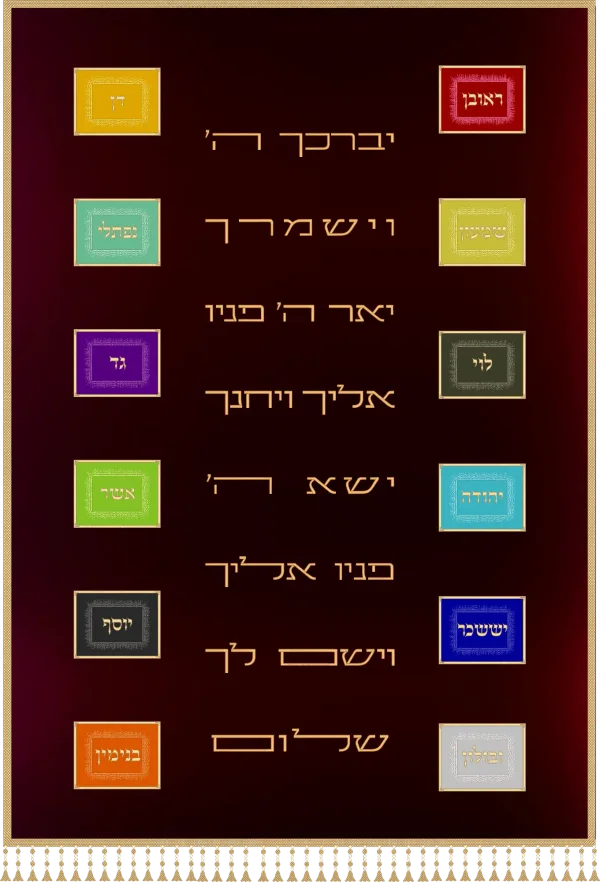
פרוכות לארון קודש
Parochet Shvatim (פרוכת שבטים): The Ark Curtain That Unites the Twelve Tribes of Israel
פרוכת שבטים curtains embroider the Twelve Tribes of Israel, bringing unity, heritage, and beauty to the synagogue's aron kodesh.
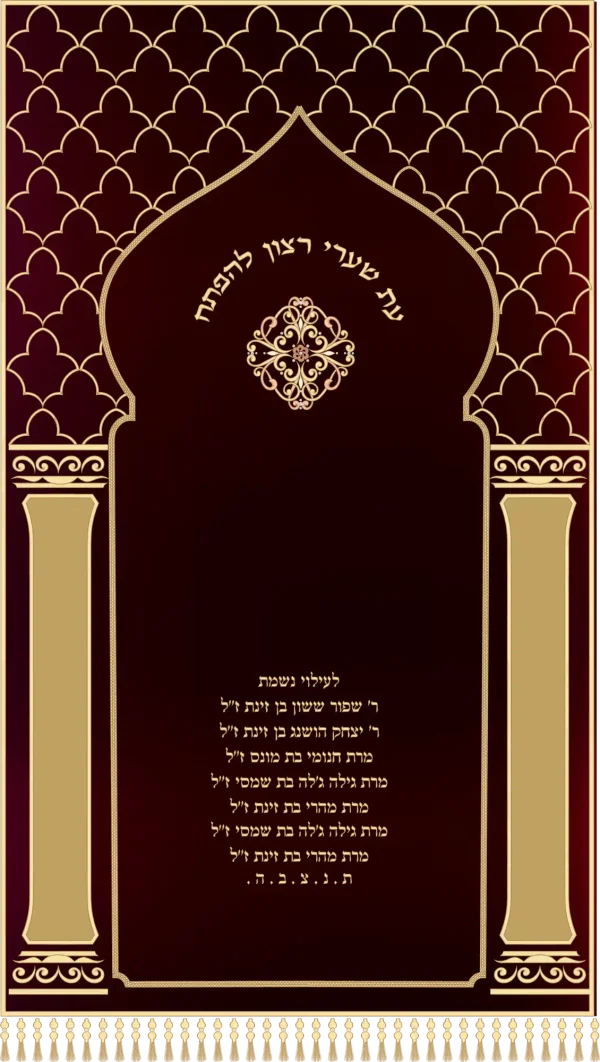
פרוכות לארון קודש
Parochet LeChagim (פרוכת לחגים): The Tradition of Festival Ark Curtains
A look at the parochet lechagim tradition - festival ark curtains that mark the Jewish holidays with fitting color and design.
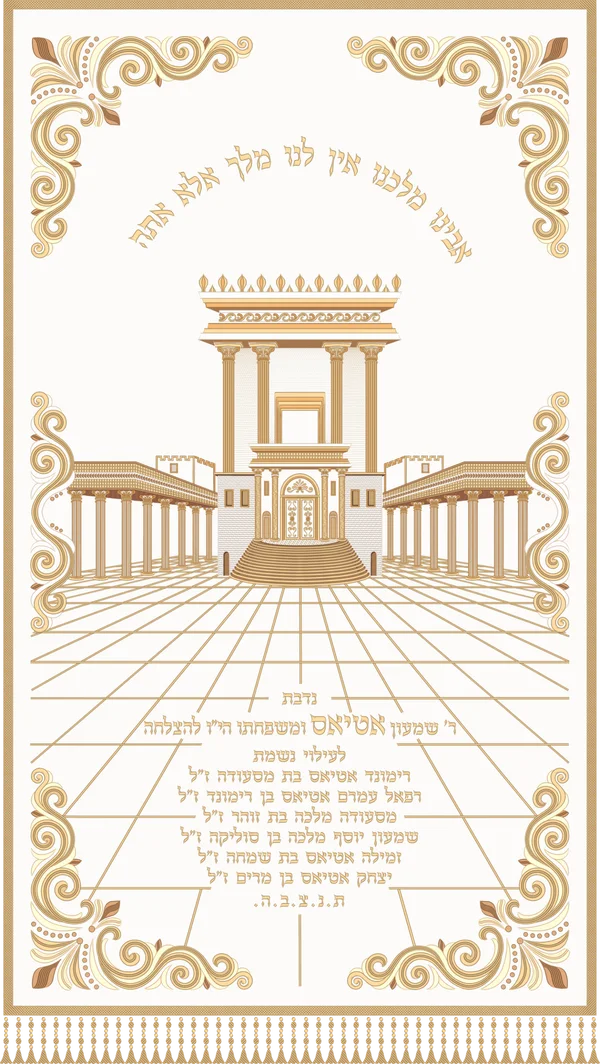
פרוכות לארון קודש
Parochet Dugma Beit HaMikdash (פרוכת דגם בית המקדש): A Guide to the Temple-Pattern Ark Curtain
Discover what a פרוכת דגם בית המקדש is, the Temple motifs it features, and how to choose the right design for your Aron Kodesh.