
פרוכות לארון קודש
Parochet Shvatim (פרוכת שבטים): The Ark Curtain That Unites the Twelve Tribes of Israel
פרוכת שבטים curtains embroider the Twelve Tribes of Israel, bringing unity, heritage, and beauty to the synagogue's aron kodesh.
מערכת ארגמן · 18 בנובמבר 2026 · 5 דק׳ קריאה
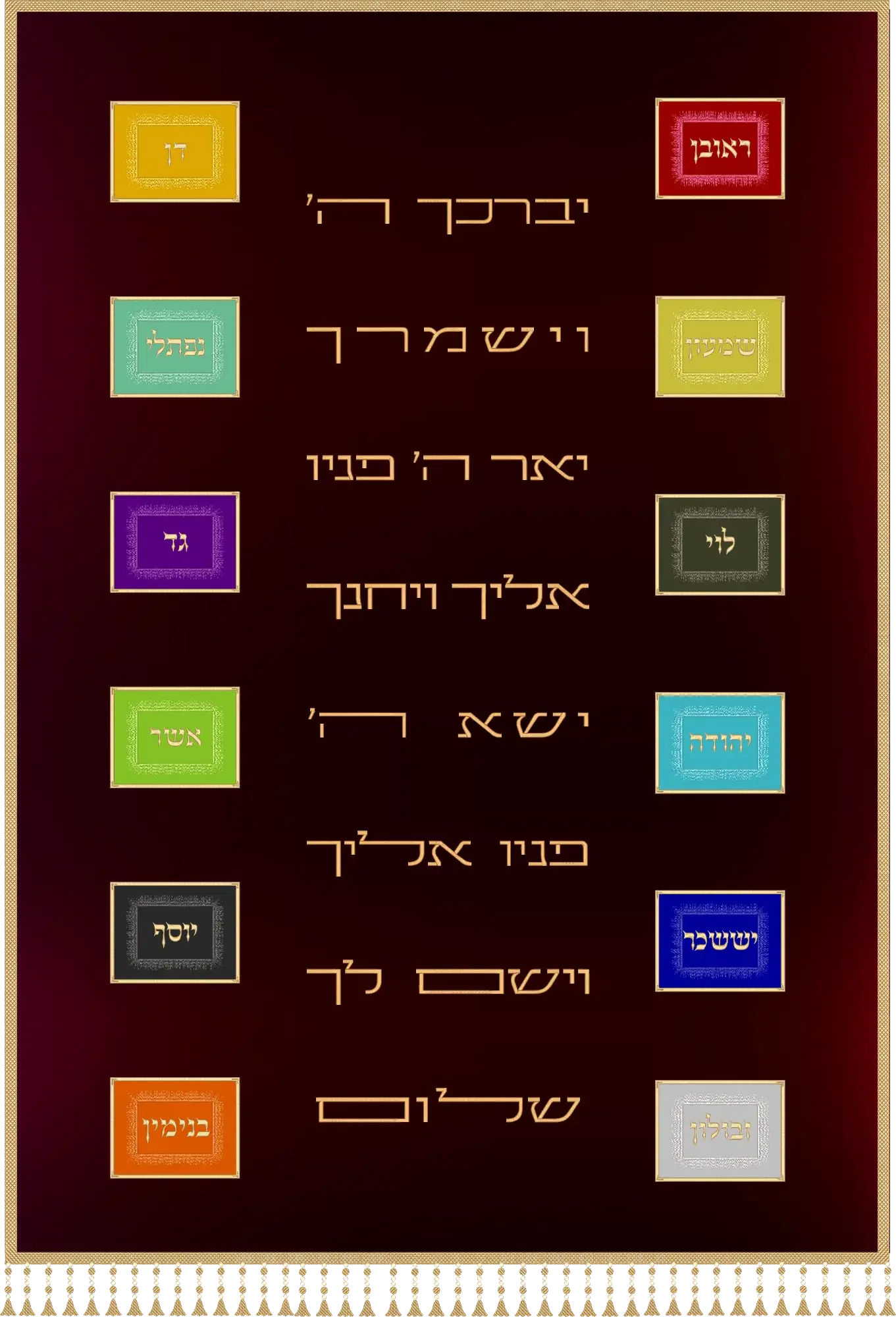
A פרוכת שבטים is a hand-embroidered ark curtain that displays the names, banners, or blessings of the Twelve Tribes of Israel, hung before the Torah ark to honor the full unity of the Jewish people in prayer. It turns the aron kodesh into a visual reminder that every tribe, and by extension every Jew, stands together before the Torah. For many congregations, it is as meaningful as it is beautiful.
In brief
- A פרוכת שבטים typically depicts the Twelve Tribes through tribal names, banners, gemstones recalling the Choshen, or a blend of these motifs.
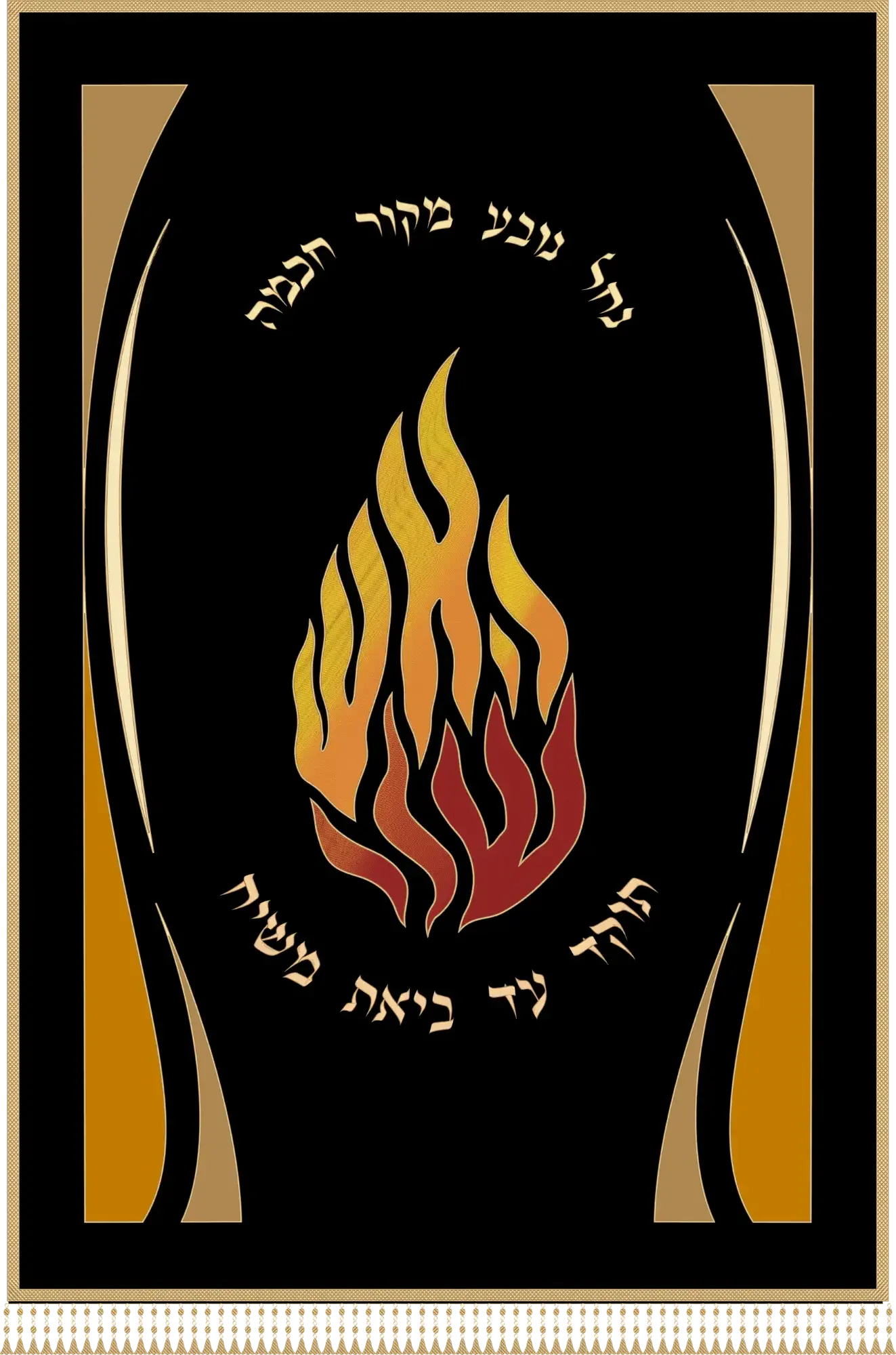
- These curtains are often paired with complementary imagery such as a Menorah, the Priestly Blessing, or scenes of the Beit HaMikdash.
- Hanging a parochet shvatim is a way for a congregation to express the unity of Am Yisrael directly above the Torah ark.
- Size, fabric, thread colors, and dedication text can all be customized to match a sanctuary's existing décor and budget.
What Is a Parochet Shvatim (פרוכת שבטים)?
A פרוכת שבטים is an ark curtain whose central design is built around the Twelve Tribes descended from the sons of Jacob. The theme draws on some of the most enduring images in Jewish tradition: the twelve stones of the Choshen worn by the Kohen Gadol, each engraved with a tribe's name, and the camp of Israel in the wilderness, arranged tribe by tribe around the Mishkan. Embroidering these symbols onto a parochet carries that ancient structure into the modern sanctuary, placing it exactly where the community gathers most often: in front of the Torah scrolls.
The Symbolism of the Twelve Tribes on an Ark Curtain
The symbolism of the Twelve Tribes on a parochet draws on the blessings each tribe received from Jacob before his passing, together with the twelve gemstones of the Choshen. A well-designed twelve tribes motif can reference a lion for Yehudah, a ship for Zevulun, or scales for Dan, among other traditional associations. On a parochet, this symbolism does more than decorate the ark; it reminds the congregation that the synagogue, however small or large, represents the entire people of Israel, not one tribe or community alone.
Common Elements You'll Find in a Parochet Shvatim
No two curtains are identical, but most parochet shvatim designs draw from a shared set of elements:
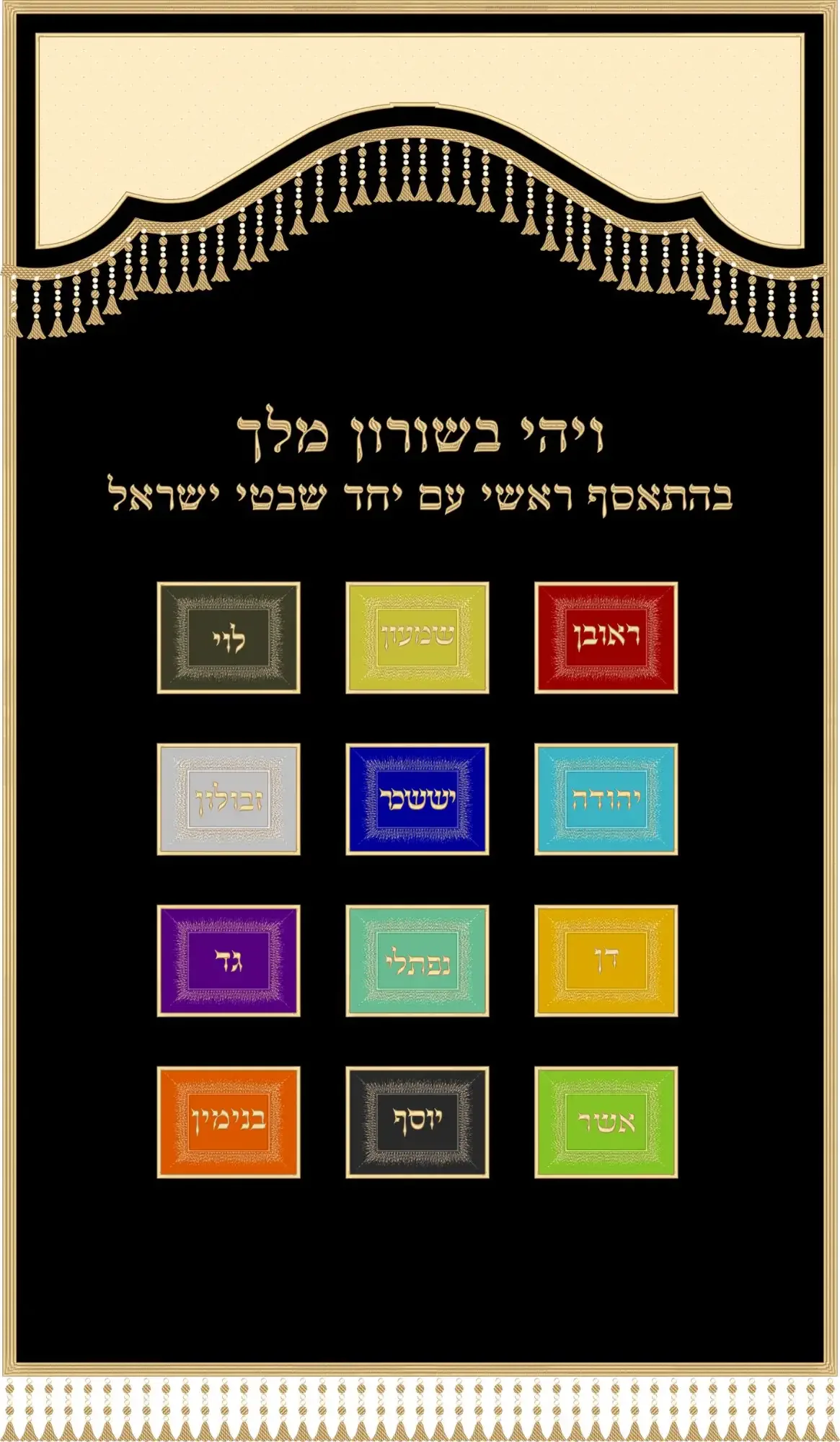
- Hebrew lettering spelling out the names of the Twelve Tribes, often arranged in a semicircle or row.
- Gemstone or jeweled accents recalling the Choshen's twelve stones.
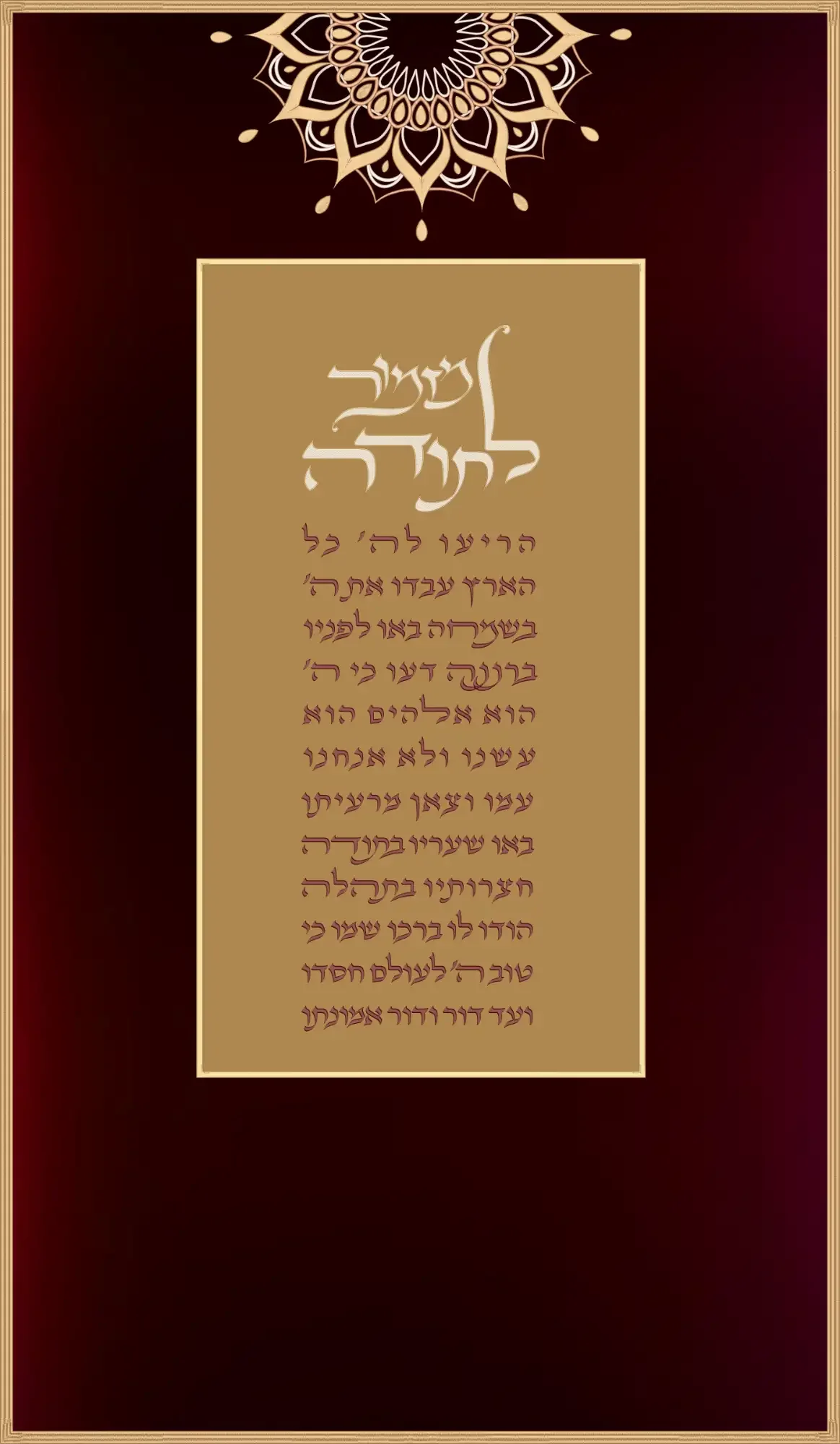
- Verses such as Birkat Kohanim or "Vihi BiYeshurun Melech," which speak of blessing and unity across the tribes.
- Framing details like crowns, pillars, or Temple gates that lend the piece additional grandeur.
Workshops such as Hichala (היכלא) hand-embroider these elements with fine thread and careful attention to proportion, so the tribal names and symbols stay legible and dignified from across the sanctuary.
Popular Pairings for a Parochet Shvatim
Popular pairings for a parochet shvatim combine the Twelve Tribes motif with a second theme that reflects the sanctuary's character. The table below outlines a few common combinations.
| Companion Motif | Symbolic Theme | Good Fit For |
|---|---|---|
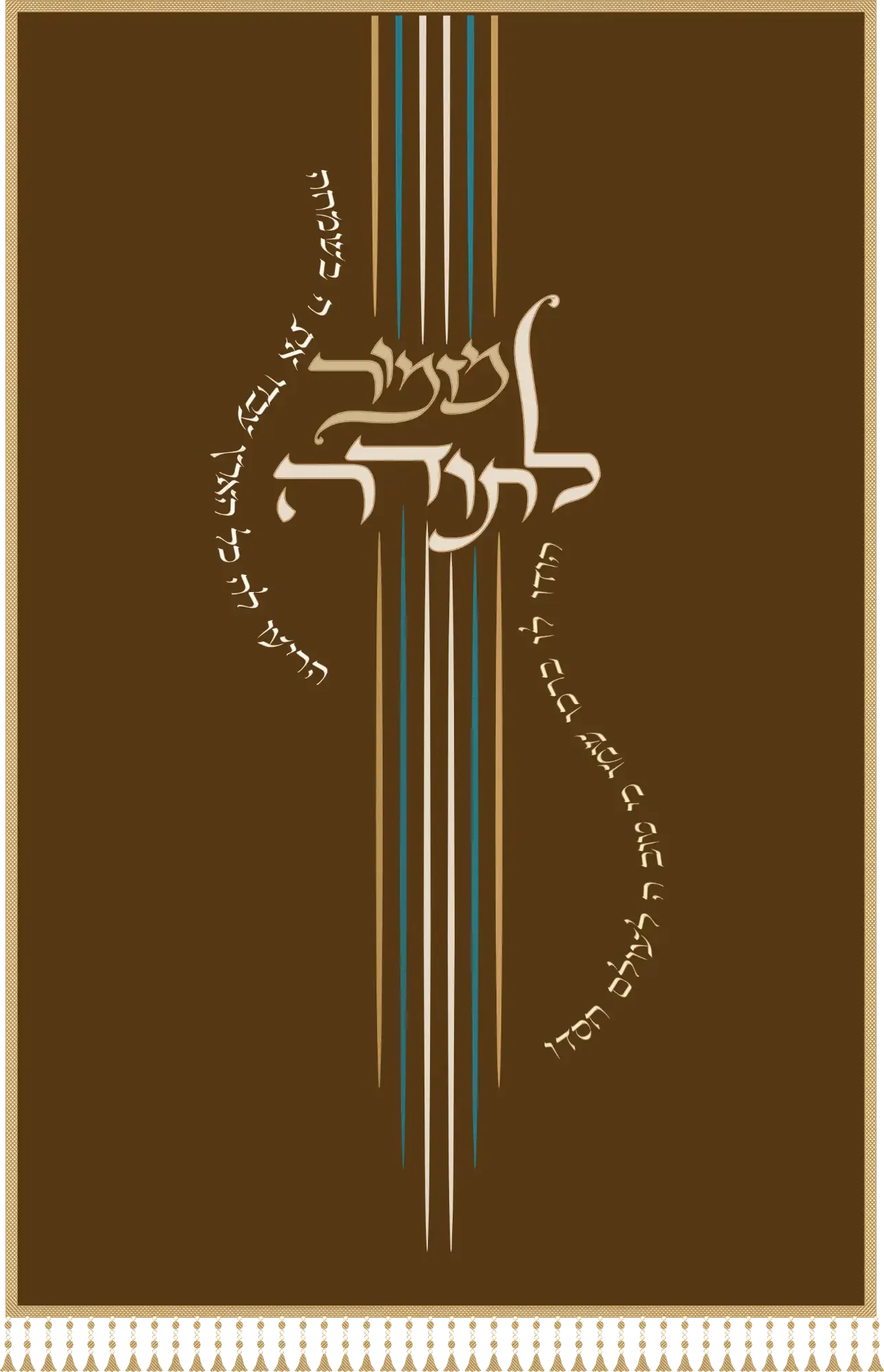
| Menorah | Light and Temple service | Sanctuaries that already feature menorah ornaments, such as this Parochet Shvatim with Menorah |
| Birkat Kohanim (Priestly Blessing) | Blessing extended to every tribe | Communities that recite the blessing regularly, like this Parochet Shvatim with the Priestly Blessing |
| Beit HaMikdash imagery | The Temple all tribes once gathered around | Congregations drawn to Temple-themed décor |
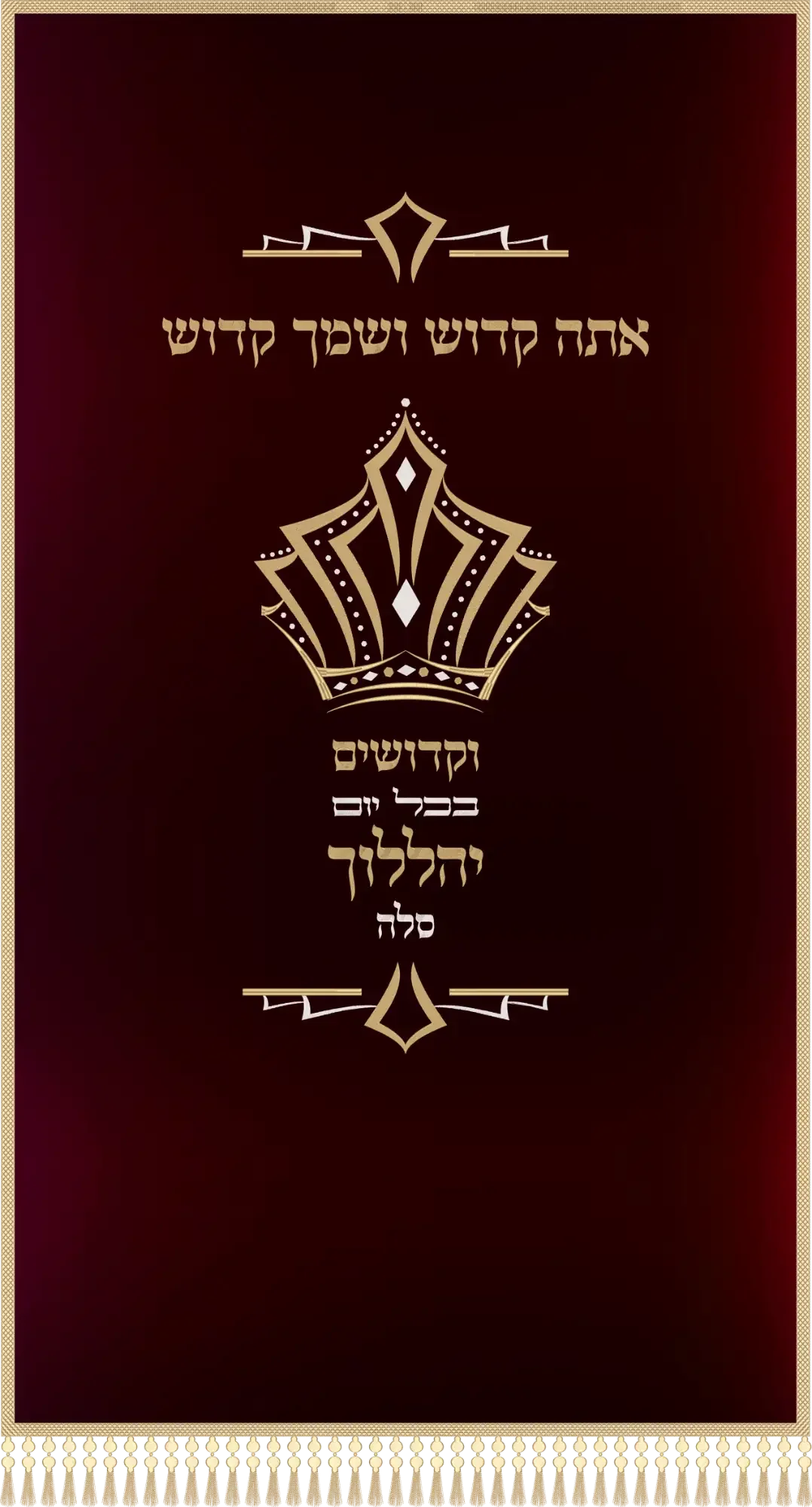
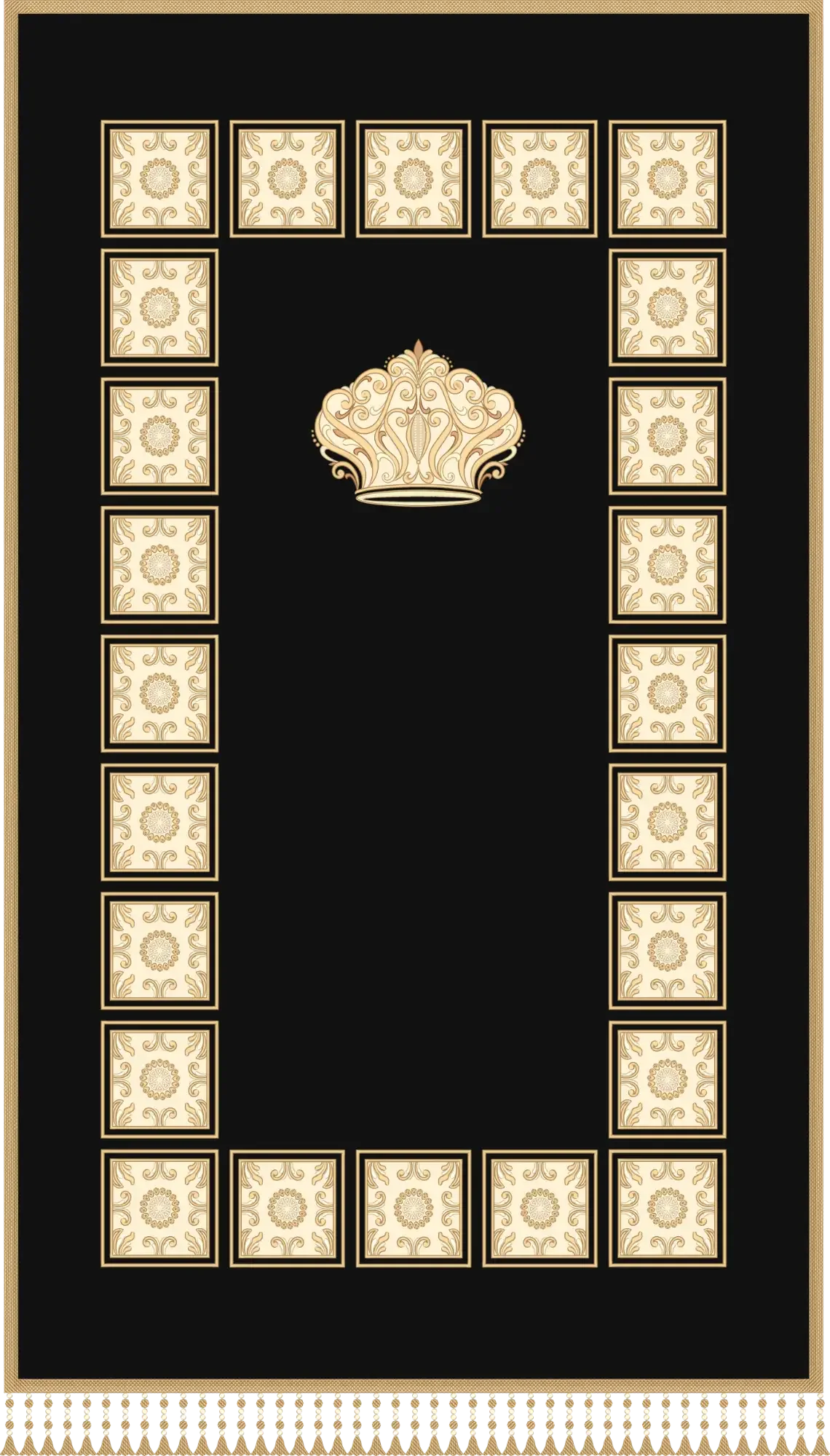
| Royal crown motifs | Unity of the people under one covenant | Festive curtains or Yamim Noraim use |
Choosing the Right Parochet Shvatim for Your Synagogue
Choosing a פרוכת שבטים involves more than picking a favorite image. Congregations typically weigh a few practical points before placing an order:
- The exact measurements of the aron kodesh opening, so the curtain hangs properly without excess or shortfall of fabric.
- Color coordination with the existing bimah covers, Torah mantles, or wall textiles in the sanctuary.
- Whether the community prefers the tribal names written out in full or represented through symbols alone.
- Space for a dedication inscription, often added in memory of or in honor of a family member or community milestone.
Browsing our gallery of parochot is a helpful first step, since seeing finished pieces in different color palettes and layouts makes it easier to picture how a parochet shvatim will look above your own ark.
Frequently Asked Questions
What do the Twelve Tribes represent on a parochet?
On an ark curtain, the Twelve Tribes represent the full unity of the Jewish people, recalling the tribal encampments around the Mishkan and the twelve stones of the Choshen, so that every member of the congregation feels represented before the Torah.
Can a parochet shvatim be combined with other designs?
Yes, a parochet shvatim is frequently combined with motifs such as the Menorah, the Priestly Blessing, or imagery of the Beit HaMikdash, giving each congregation a design that is both tribal and personal to their sanctuary.
Is a parochet shvatim suitable for everyday use or only festivals?
A parochet shvatim can be used year-round, though some communities choose to reserve it for Shabbat, festivals, or the Yamim Noraim and hang a simpler curtain on weekdays.
Whatever combination of symbols a congregation ultimately chooses, a פרוכת שבטים offers a lasting way to honor the unity of Am Yisrael every time the ark is opened, turning a single piece of embroidered fabric into a reminder that the whole people of Israel stands together in prayer.
עוד מהעולם של ארגמן
פרוכות לארון קודש
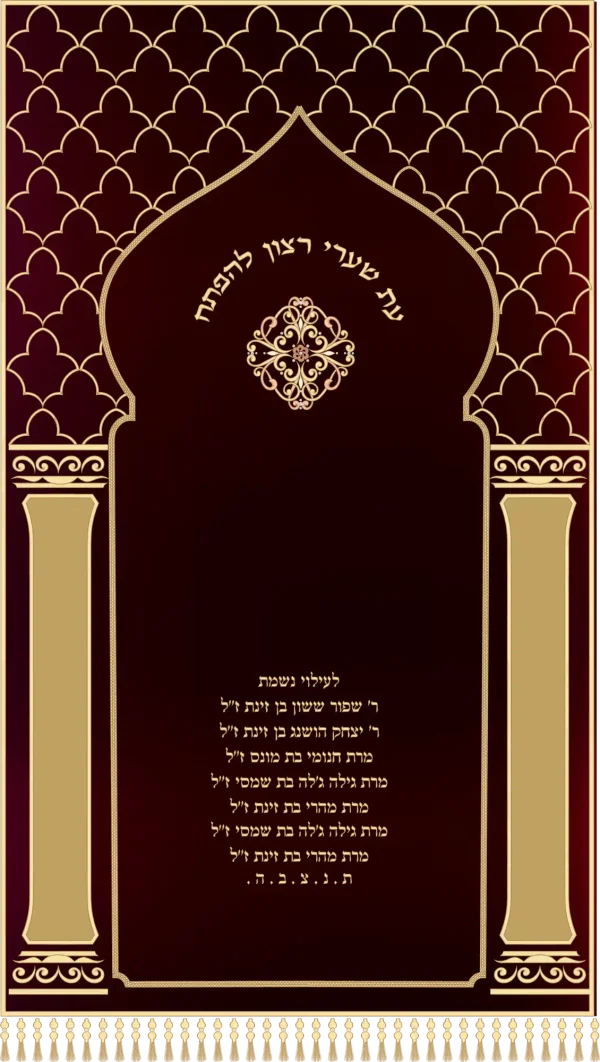
Parochet LeChagim (פרוכת לחגים): The Tradition of Festival Ark Curtains
A look at the parochet lechagim tradition - festival ark curtains that mark the Jewish holidays with fitting color and design.
פרוכות לארון קודש
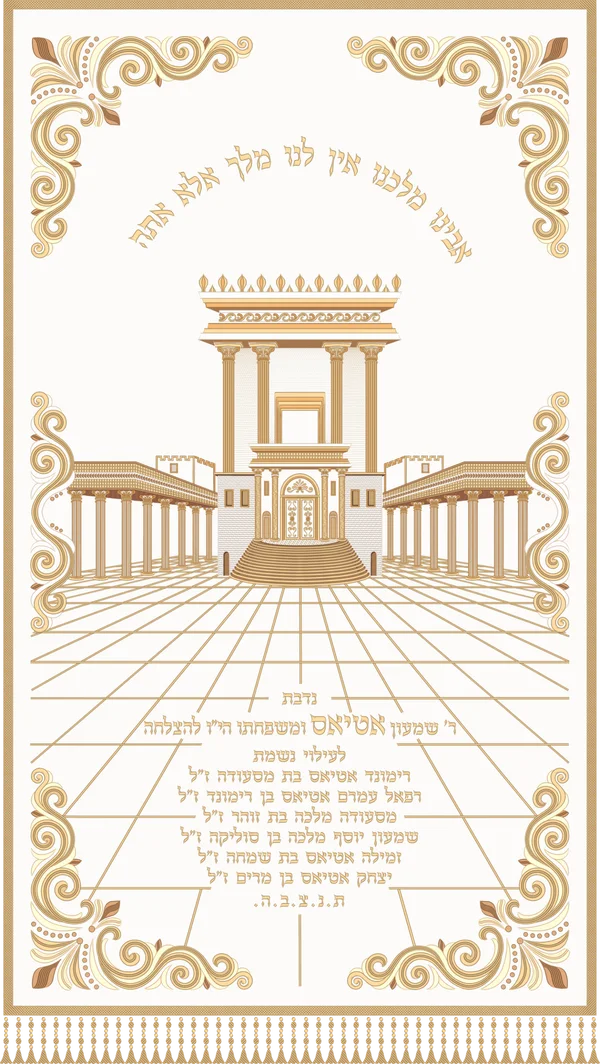
Parochet Dugma Beit HaMikdash (פרוכת דגם בית המקדש): A Guide to the Temple-Pattern Ark Curtain
Discover what a פרוכת דגם בית המקדש is, the Temple motifs it features, and how to choose the right design for your Aron Kodesh.
פרוכות לארון קודש
Parochet Beit HaMikdash (פרוכת בית המקדש): The Ark Curtain That Evokes the Holy Temple
Discover what a parochet beit hamikdash depicts, why congregations choose it, and how to pick the right Temple-themed ark curtain.