
פרוכות לארון קודש
Torah Scroll Cover Price (כיסוי לספר תורה מחיר): 5 Questions to Ask Before You Order
What shapes the כיסוי לספר תורה מחיר? A guide to fabric, embroidery, and lettering costs, plus key questions to ask before ordering.
מערכת ארגמן · 4 בנובמבר 2026 · 4 דק׳ קריאה
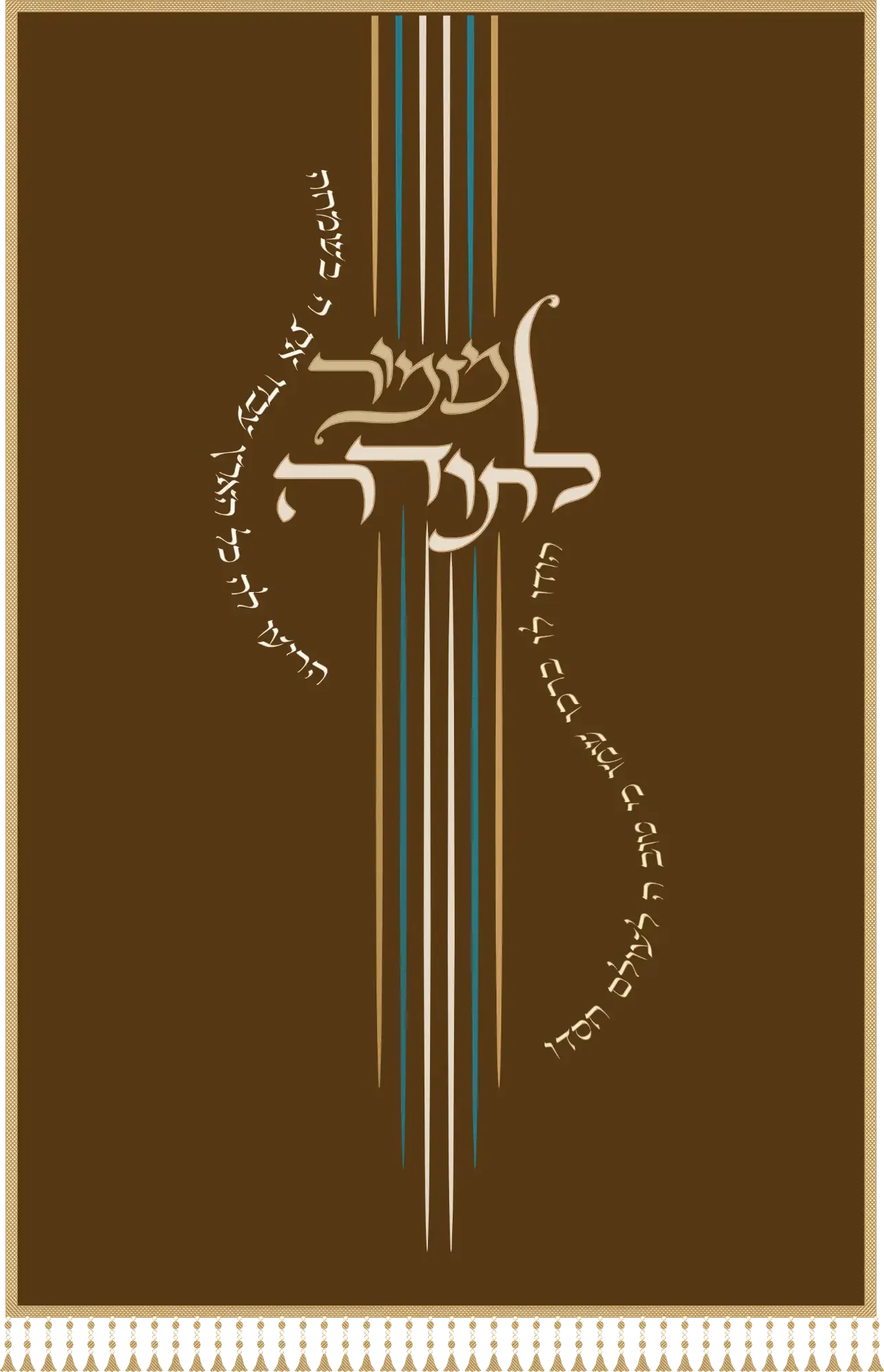
כיסוי לספר תורה מחיר, the price of a hand-embroidered Torah scroll cover, is shaped mainly by three things: the fabric used, the hours of embroidery involved, and whether the cover includes custom lettering, a dedication, or symbolic imagery. Because every cover is sewn by hand to fit a specific scroll and community, no two quotes look exactly alike. Understanding these variables in advance helps a congregation or family budget wisely without compromising on the honor the Torah deserves.
In Brief
- The price of a Torah scroll cover is driven mainly by fabric choice, embroidery density, and any personalized lettering or imagery.
- A simple cover with light trim generally involves less hand-stitching than one with dense metallic or raised embroidery work.
- Custom sizing for a specific scroll, and a dedication inscription, both add stitching time and therefore affect the final cost.
- Requesting a detailed quote from the embroidery workshop before ordering helps a family or congregation avoid surprises later.
Questions to Ask Before You Request a Quote
Before asking about the כיסוי לספר תורה מחיר directly, it helps to walk through a short checklist with the workshop. These questions clarify what is actually being priced, and why one cover may cost more than another.
- What fabric options are available, and how does each affect durability and appearance?
- How many hours of hand embroidery are involved in the design I am considering?
- Can the cover include a dedication or memorial inscription, and does that change the price?
- What are the exact measurements needed for my scroll, and is custom sizing included?
- How long does the embroidery process typically take from order to delivery?
What Shapes the כיסוי לספר תורה מחיר
The כיסוי לספר תורה מחיר changes mainly according to three variables: the material chosen, the amount of handwork required, and the level of personalization requested. A cover sewn from a simple fabric with a narrow trim takes far less time than one covered in dense, raised embroidery or metallic thread. The table below summarizes the main factors without assigning any fixed figures, since every workshop prices these elements differently.
| Factor | How It Affects the Price |
|---|---|
| Fabric (velvet, silk, or a blended textile) | Richer or more delicate fabrics generally require more careful handling, which raises the base cost. |
| Embroidery density | A fuller, more elaborate design with metallic or raised threadwork takes longer to complete than a simple trim. |
| Custom lettering or dedication | Adding a name, verse, or memorial inscription requires extra hand-stitching time. |
| Size and proportions | A cover tailored to the exact dimensions of a particular scroll takes more precise work than a standard size. |
Balancing Budget and Honor
Balancing budget and honor means choosing a cover that reflects the dignity of the Torah scroll without stretching a community beyond what it can comfortably give. At Hichala (היכלא), ark curtains and other Judaica pieces are embroidered by hand one at a time, and the same attention to fabric and stitch-work that shapes a parochet's design can also guide the thinking behind a Torah scroll cover made to order. Browsing our gallery of parochot is a useful way to see how embroidery density, metallic thread, and lettering come together in a finished piece, even when the item in question is an ark curtain rather than a scroll cover.
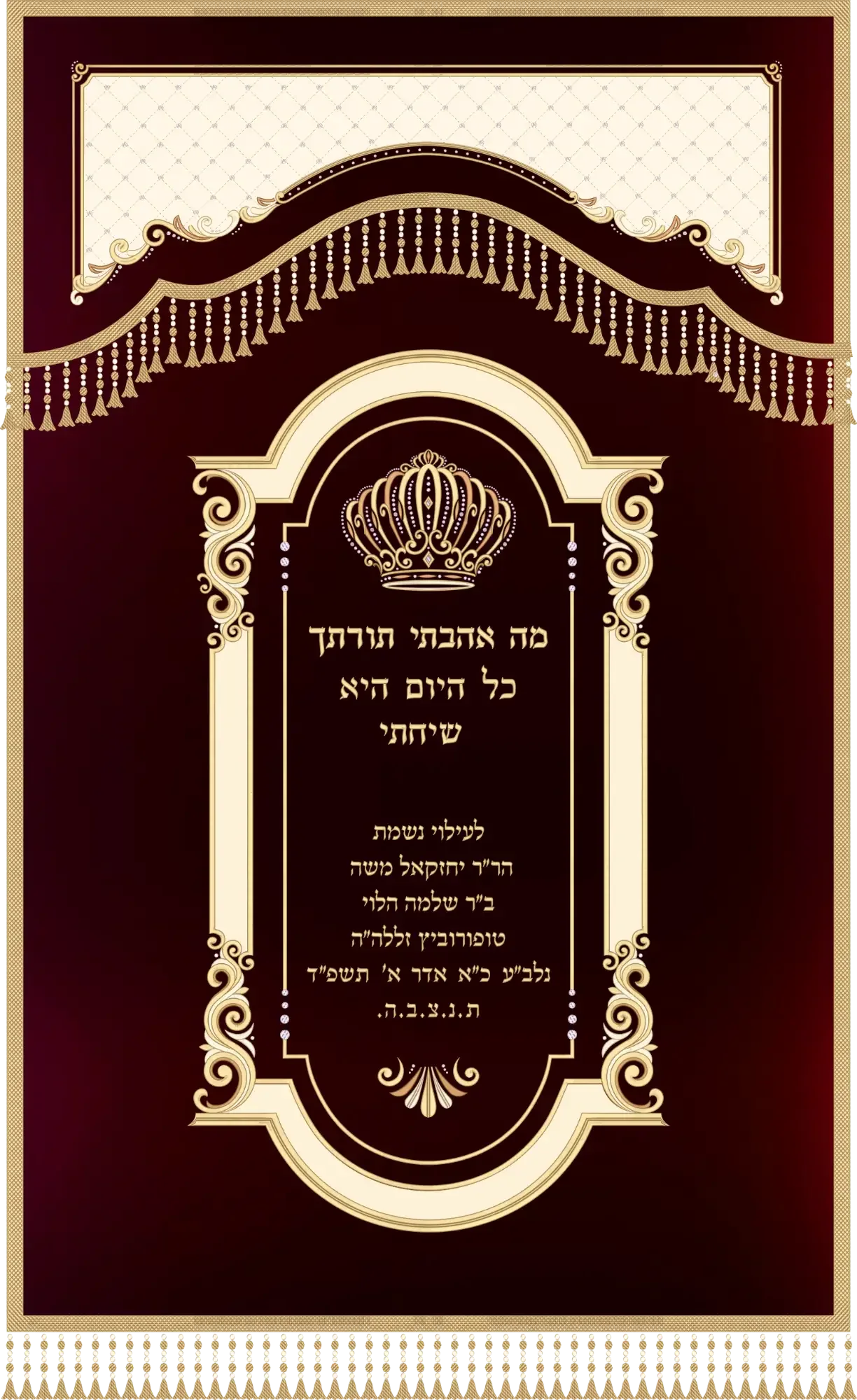
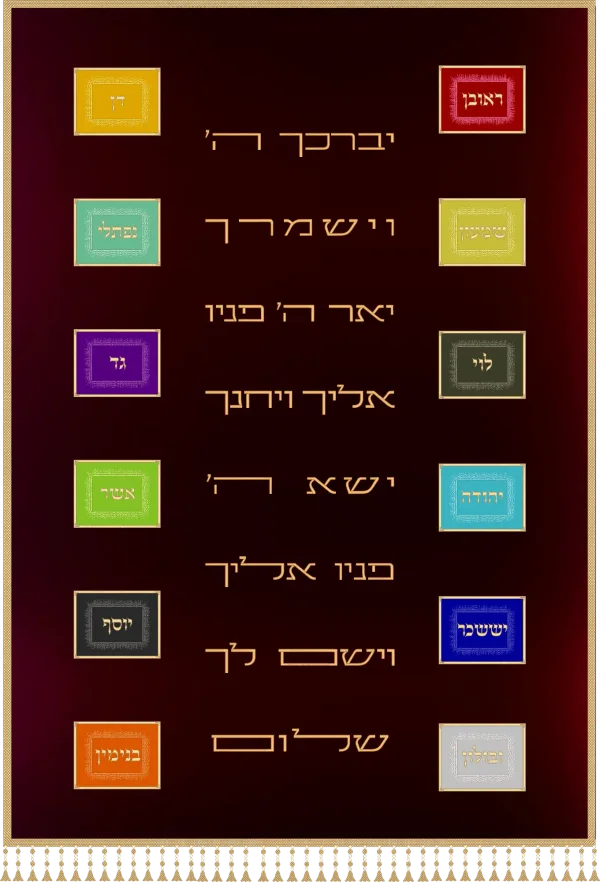
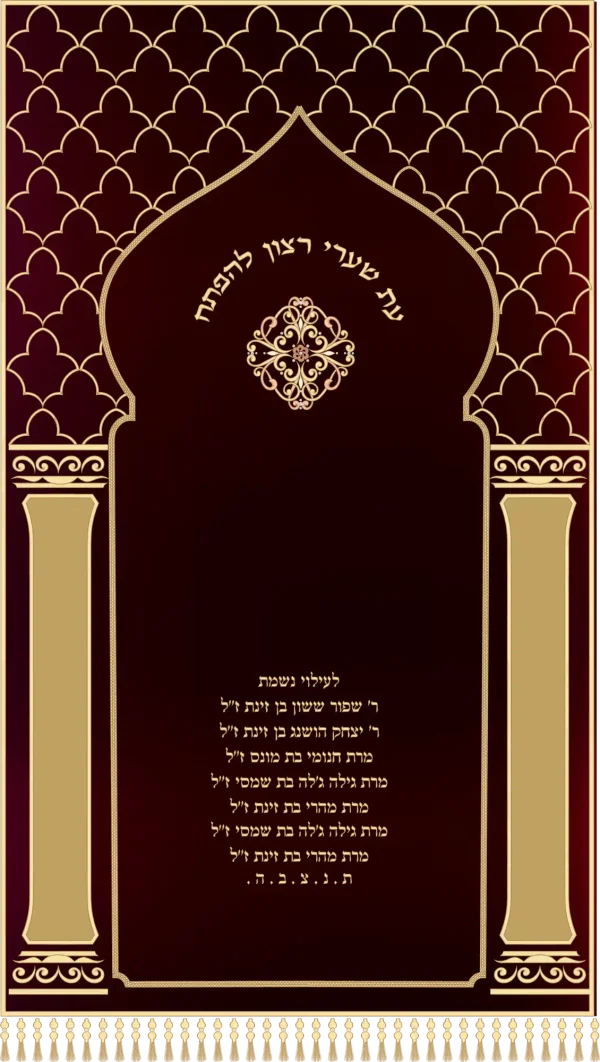
Many of the design choices that influence a parochet's price translate directly to a Torah scroll cover. A richly worked piece such as the crowned ark curtain design shows how layered embroidery adds visual weight, while a piece like the tribal-motif curtain with a menorah shows a more structured, symbol-driven approach. Looking at a range of finished work like this can help a family or committee describe what they want before asking for a quote. For background on the broader custom of dressing and honoring a Torah scroll, the Wikipedia entry on the Sefer Torah offers a helpful overview of the scroll's traditional ornaments.
Frequently Asked Questions
Does a larger Torah scroll always cost more to cover?
Not necessarily on size alone – a smaller scroll with dense embroidery and metallic thread can cost more than a larger scroll with a simpler design, since embroidery hours and materials matter more than fabric yardage.
Can a Torah scroll cover be dedicated in memory of a loved one?
Yes, many families add a short dedication or memorial inscription to the cover, a common and meaningful custom that typically adds modestly to the embroidery time and therefore to the price.
How far in advance should a cover be ordered?
Because each cover is embroidered by hand, it is wise to place an order well before a dedication date, holiday, or simcha so there is enough time for careful stitch-work.
Ultimately, the כיסוי לספר תורה מחיר reflects more than fabric and thread – it reflects the care a community puts into honoring its Torah scroll. By asking the right questions and understanding what drives the cost, a congregation or family can commission a cover that is both meaningful and within reach.

עוד מהעולם של ארגמן
פרוכות לארון קודש
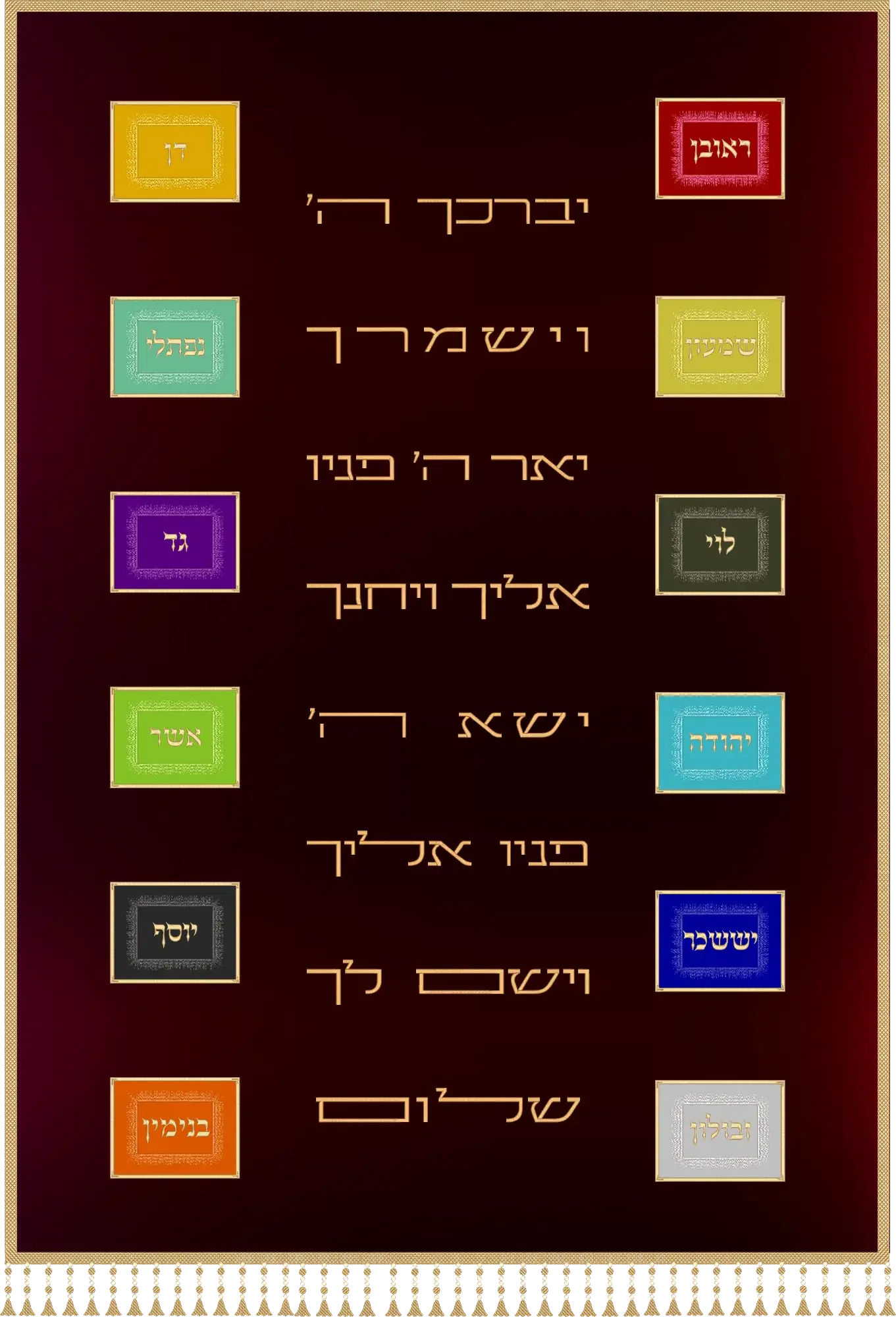
Parochet Shvatim (פרוכת שבטים): The Ark Curtain That Unites the Twelve Tribes of Israel
פרוכת שבטים curtains embroider the Twelve Tribes of Israel, bringing unity, heritage, and beauty to the synagogue's aron kodesh.
פרוכות לארון קודש
Parochet LeChagim (פרוכת לחגים): The Tradition of Festival Ark Curtains
A look at the parochet lechagim tradition - festival ark curtains that mark the Jewish holidays with fitting color and design.
פרוכות לארון קודש
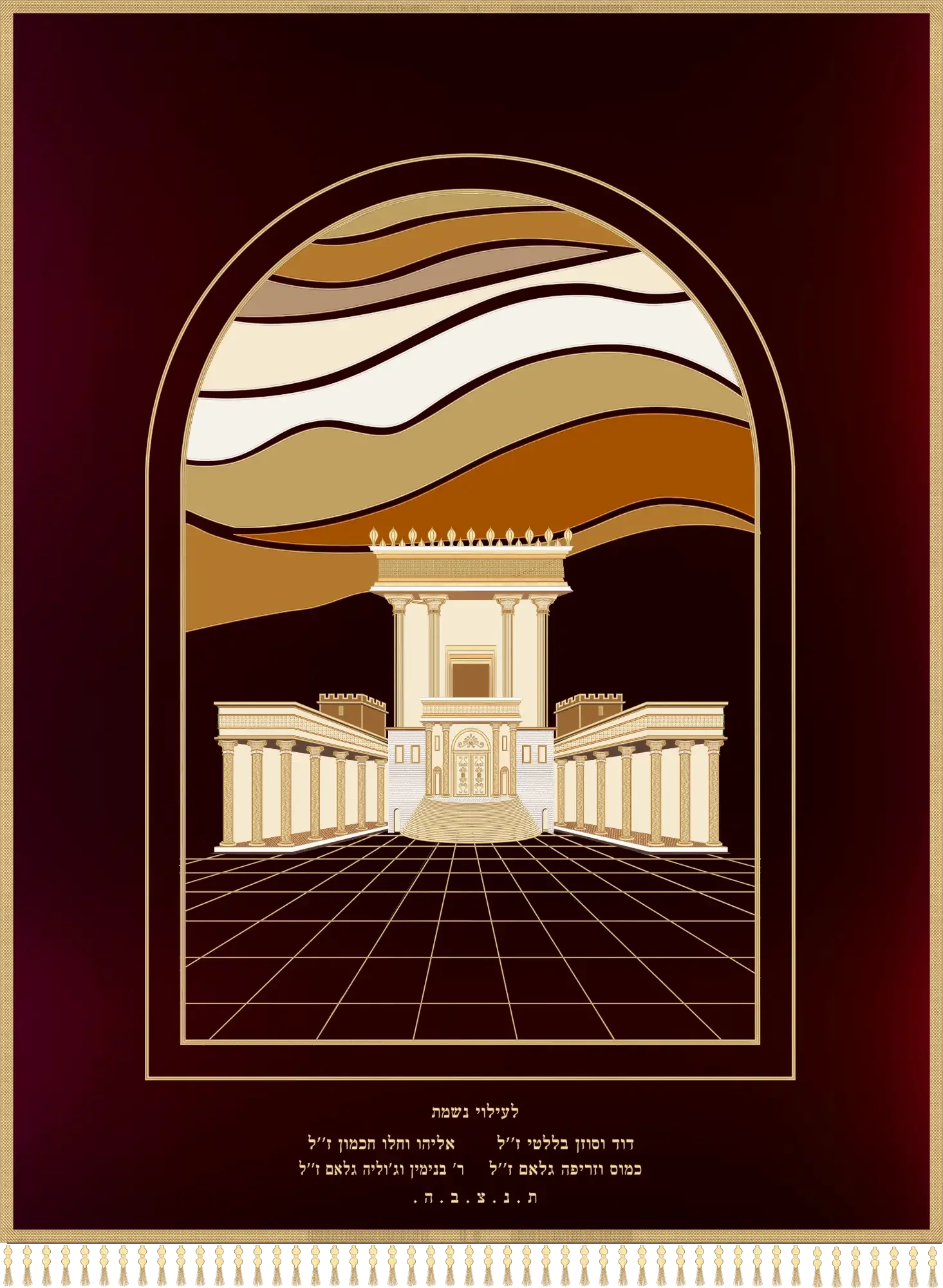
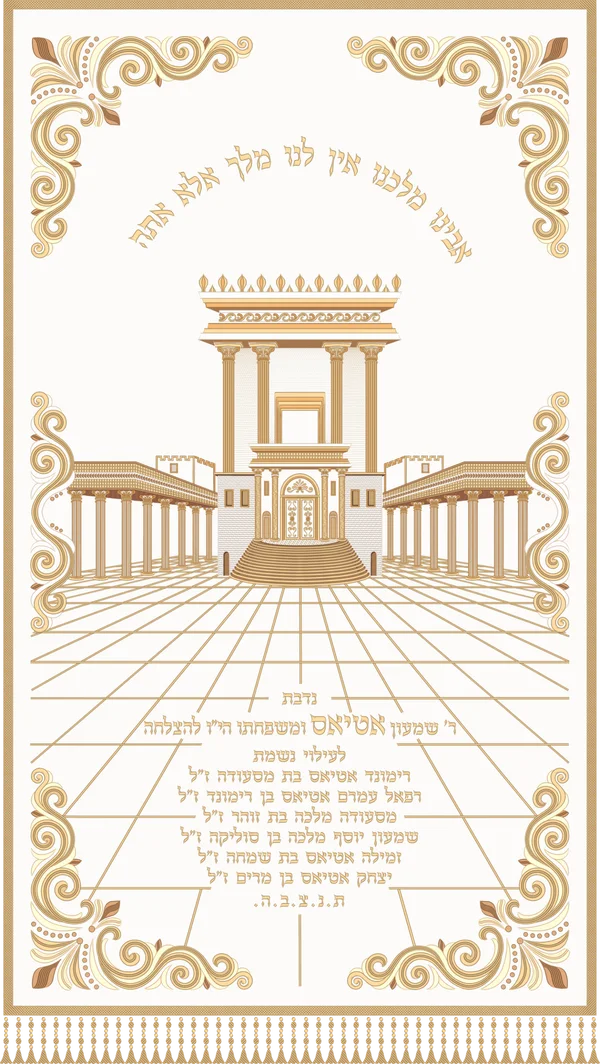
Parochet Dugma Beit HaMikdash (פרוכת דגם בית המקדש): A Guide to the Temple-Pattern Ark Curtain
Discover what a פרוכת דגם בית המקדש is, the Temple motifs it features, and how to choose the right design for your Aron Kodesh.