פרוכות לארון קודש
Aron HaKodesh (ארון הקודש): Customs of Honor Around the Synagogue's Holiest Spot
Discover why the ארון הקודש is the holiest spot in every synagogue, and the customs of honor and reverence that surround it.
מערכת ארגמן · 6 בנובמבר 2026 · 5 דק׳ קריאה
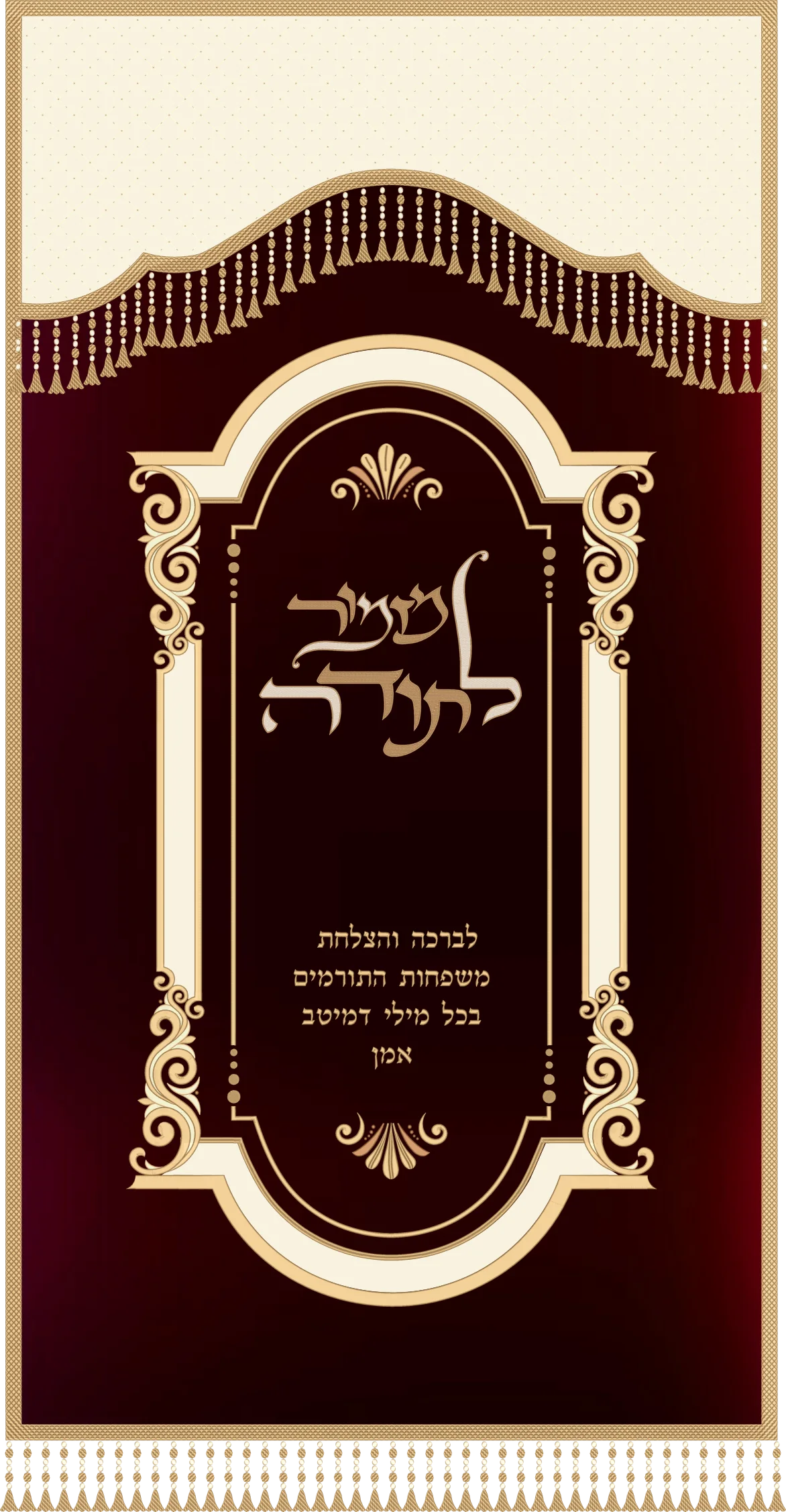
The ארון הקודש, the Holy Ark, is the cabinet or recessed niche at the front of every synagogue that holds the Torah scrolls, and it is treated as the single most sacred spot in the room. Worshippers rise when its doors open, avoid turning their backs to it, and dress it with an embroidered curtain called a parochet. Because it stands in the place once occupied by the Ark of the Covenant, it carries a weight of honor that still shapes dozens of small customs today.
In brief
- The ארון הקודש is the cabinet or wall niche that holds a synagogue's Torah scrolls and is considered its holiest point.
- Congregants traditionally stand whenever the ark's doors are open and try not to turn their backs on it while passing by.
- A parochet, an embroidered curtain, is hung over or inside the ark to honor the scrolls within.
- The ark's placement and the reverence shown toward it recall the Ark of the Covenant that once stood in the Temple in Jerusalem.
What Is the ארון הקודש, and Why Does It Receive So Much Honor?
It is, in practical terms, the cabinet or recessed cupboard where a synagogue keeps its Torah scrolls when they are not being read aloud. Beyond that function, it is the focal point of the sanctuary: congregants face it during the Amidah, it is usually positioned on the wall closest to Jerusalem, and its doors are opened and closed with care by an appointed person, often the gabbai. The honor it receives is not about the wood or metal of the cabinet itself but about what it holds and what it represents – a continuation of the way the Israelites once guarded the Ark of the Covenant.
Customs of Reverence Around the Ark
Jewish communities have developed a rich set of customs around the ark, most rooted in simple respect rather than strict obligation. Among the most widely observed:
- Standing whenever the doors of the ארון הקודש are open, since the Torah scrolls are visibly exposed.
- Avoiding sitting with one's back turned directly toward the ark, especially during prayer.
- Bowing slightly when passing in front of it, a gesture of quiet acknowledgment.
- Reserving the honor of opening and closing the doors for a respected member of the congregation.
- Kissing the parochet, the ark's curtain, in some communities as a sign of affection for the Torah inside.
Dressing the Ark: The Role of the Parochet
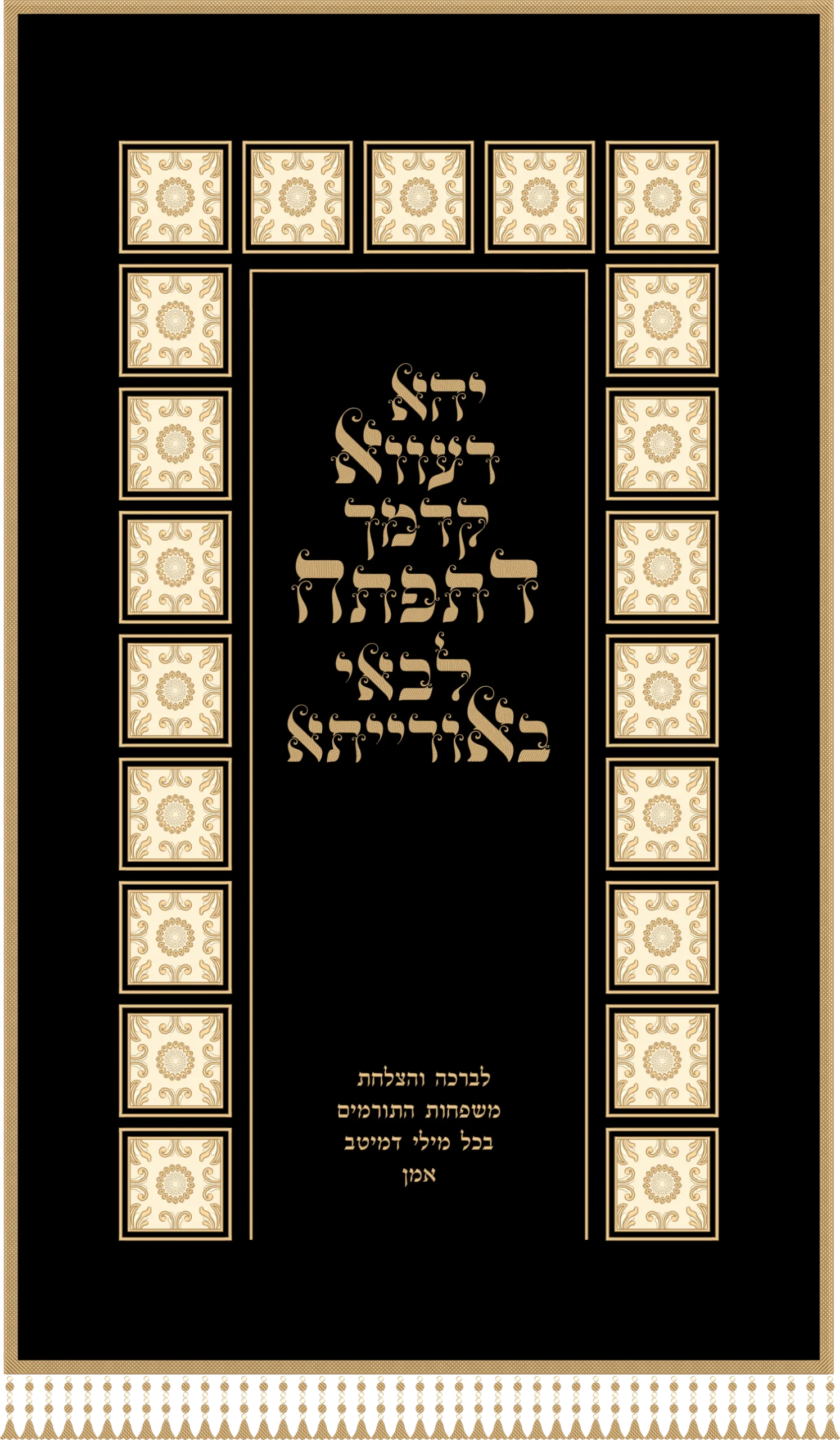
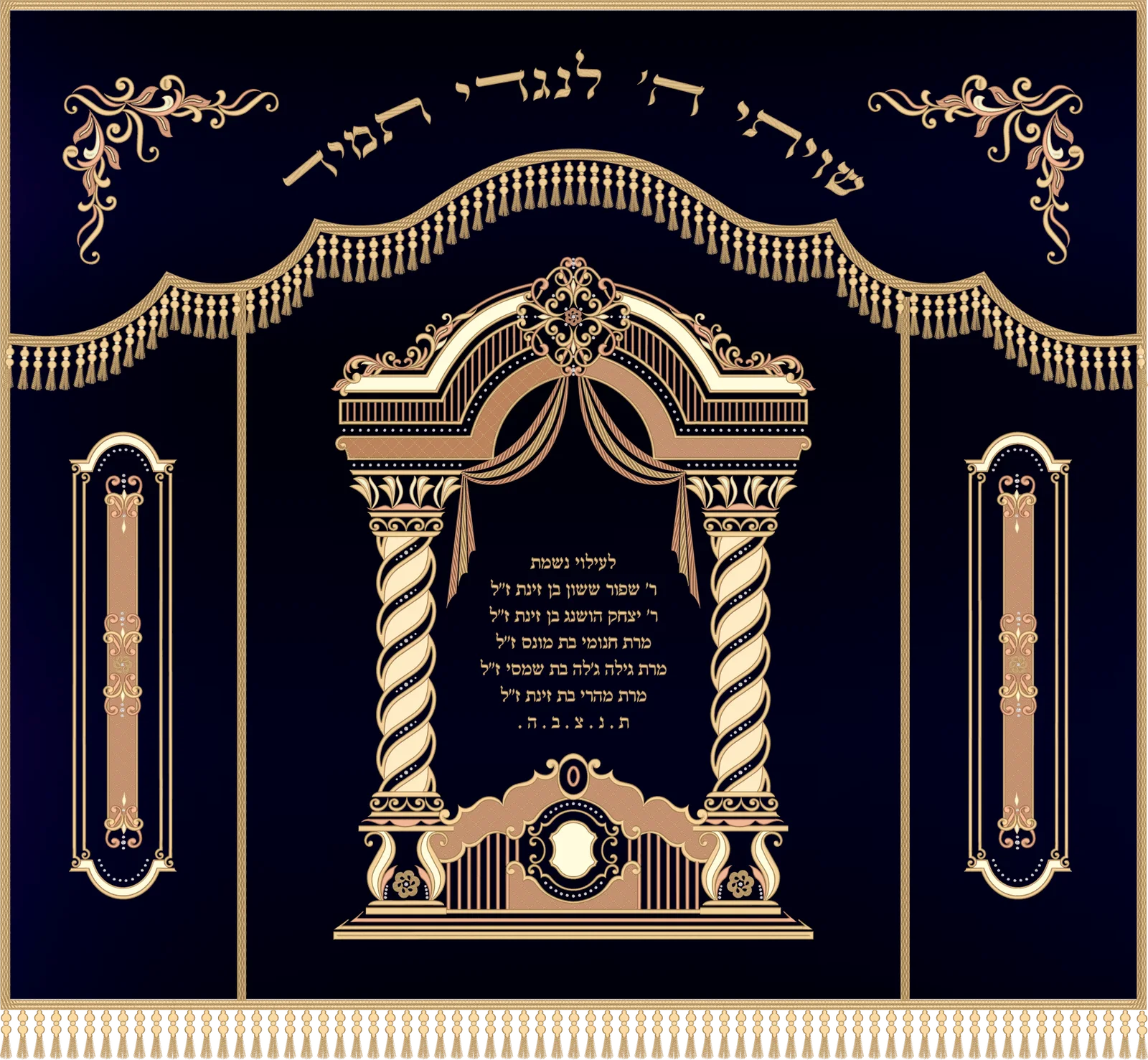
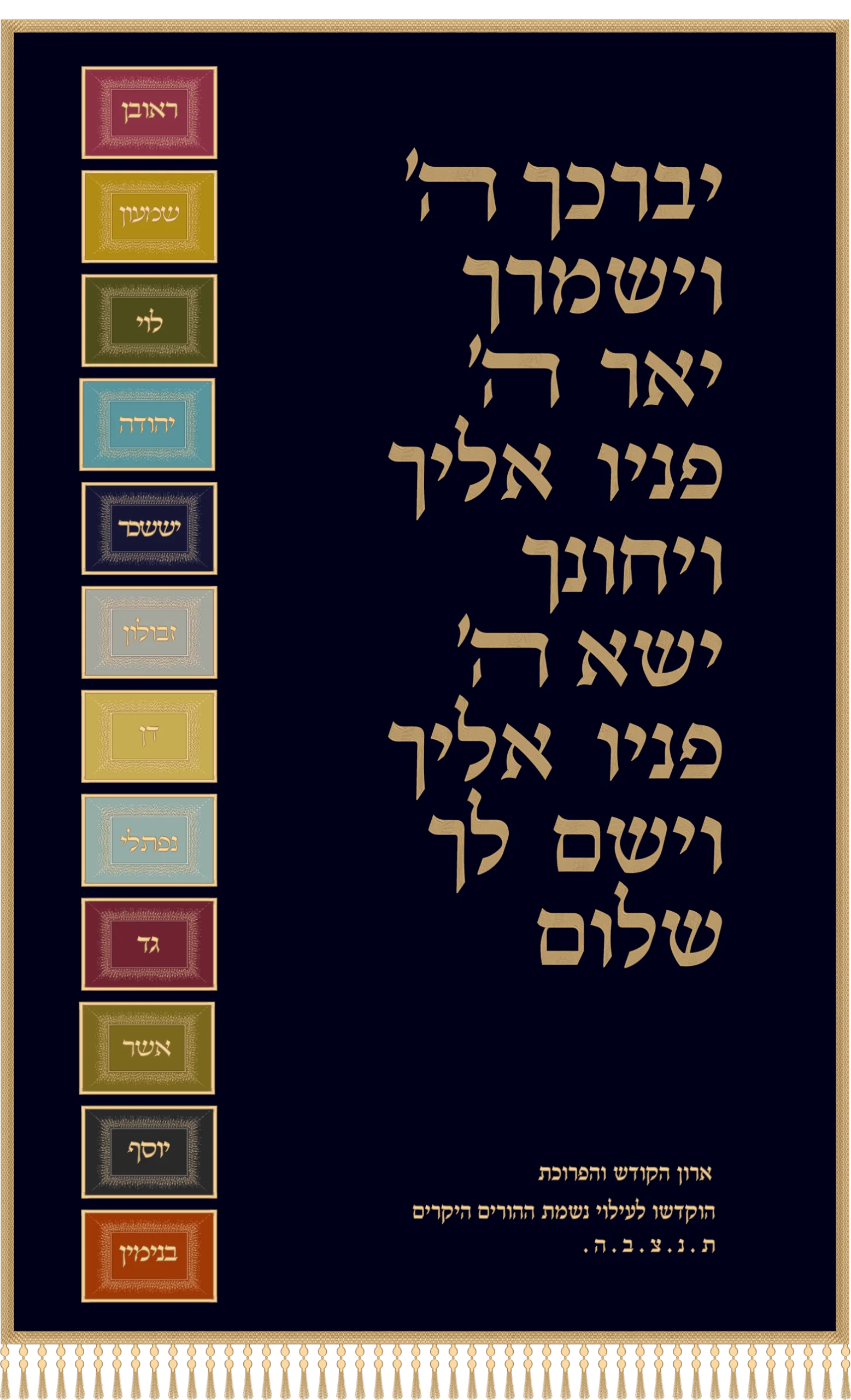
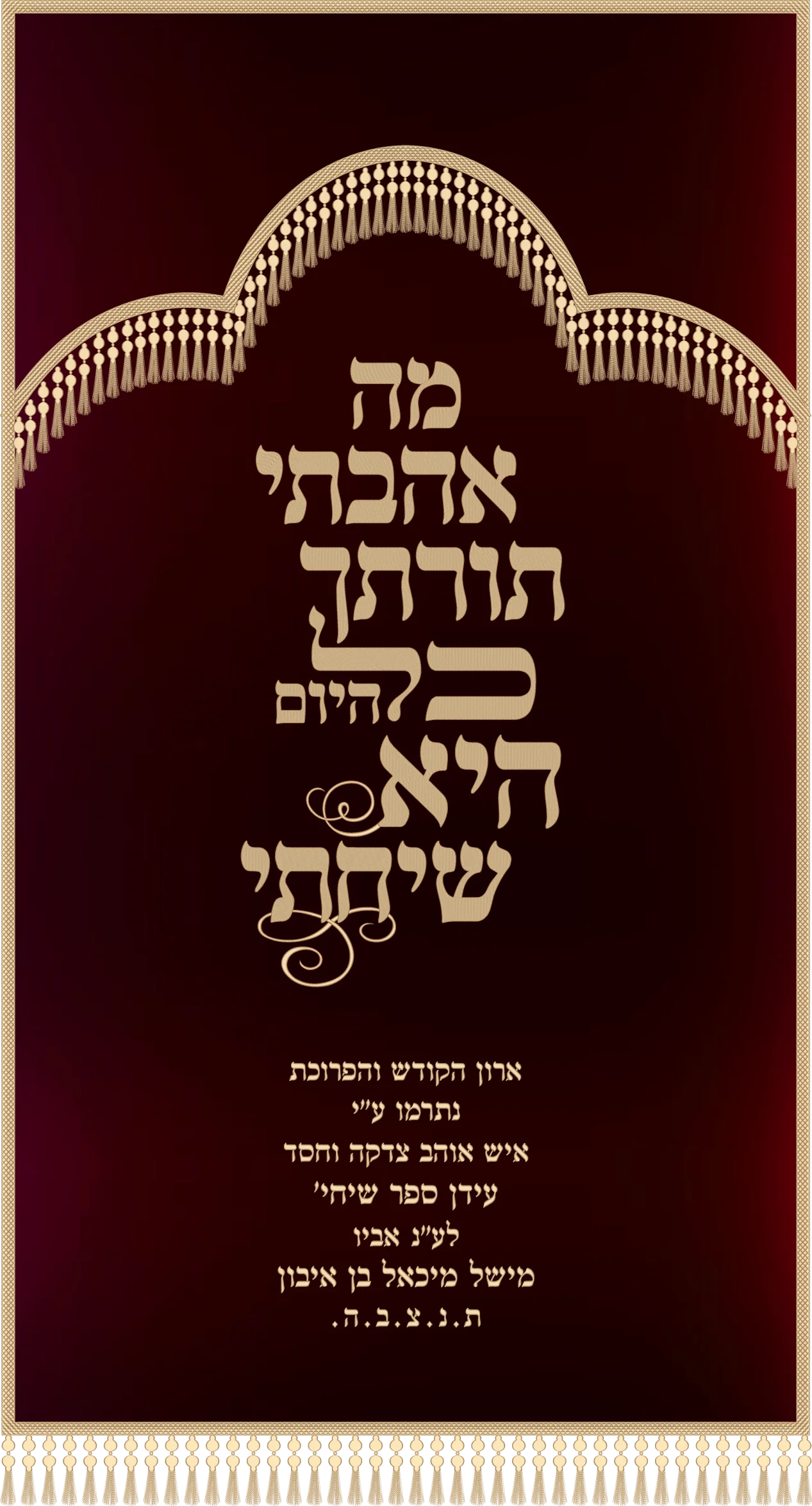
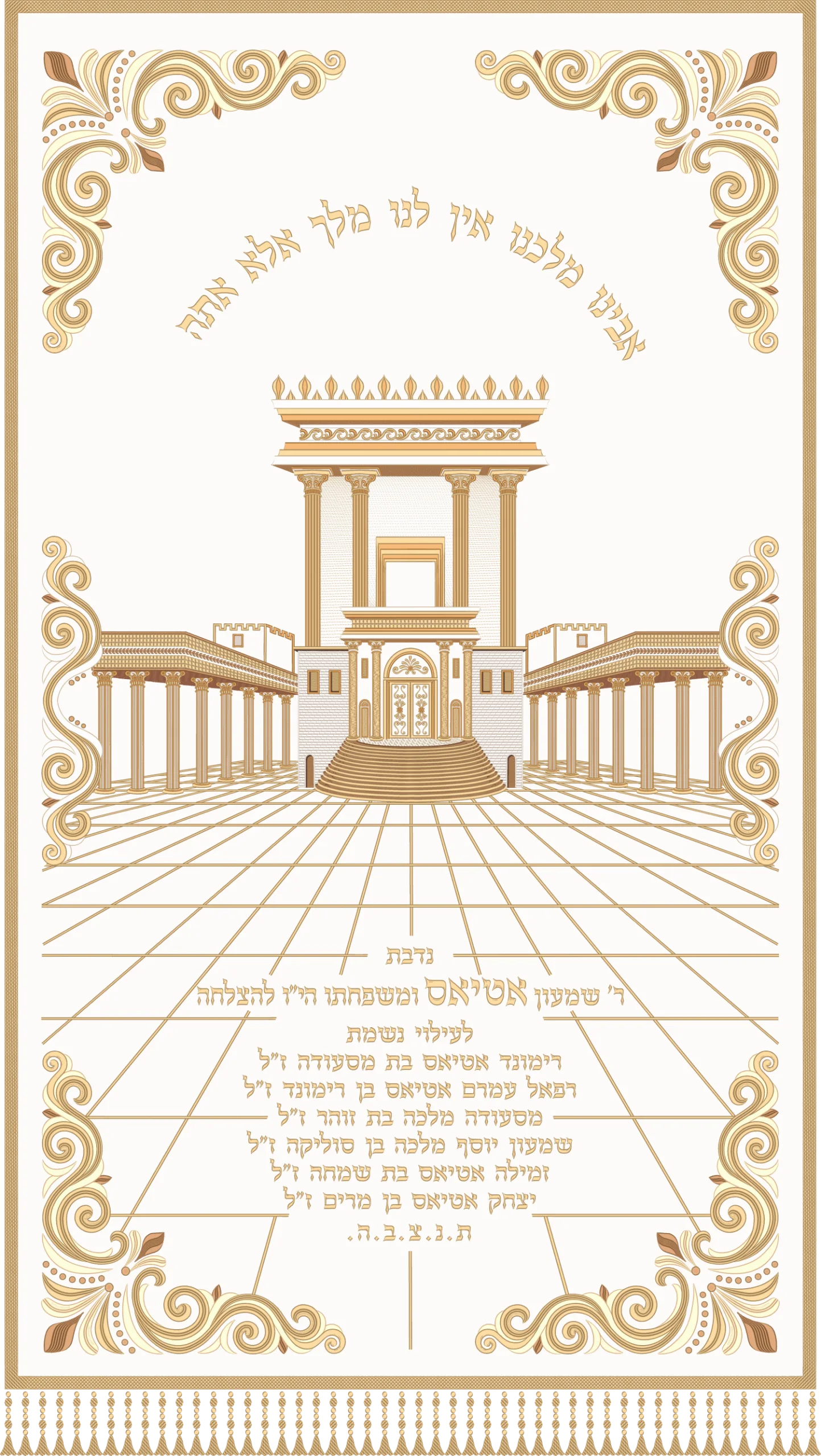
A parochet is the embroidered curtain that covers the ark, and it is treated almost as a garment of honor for the ארון הקודש itself. Communities often keep more than one: an everyday curtain, a festive one for Shabbat and holidays, and in many congregations a white parochet reserved for the Days of Awe. Workshops like Hichala (היכלא) hand-embroider these curtains with motifs such as crowns, the Tablets of the Covenant, or gates, each chosen to reflect the character of the synagogue. A curtain such as the crowned parochet or a gate-themed design can turn a plain cabinet into a dignified centerpiece. Congregations exploring options for their own ark are welcome to browse our gallery of parochot before choosing a design.
When the Doors Open: Key Moments in the Service
Not every opening of the ark carries the same weight. Some are brief and functional, while others call for the doors to stay open for an extended stretch of prayer.
| Occasion | Common Custom Around the Ark |
|---|---|
| Weekday Torah reading | Doors open briefly to remove and later return the scroll |
| Kol Nidre | Two congregants stand flanking the open ark while it is recited |
| Ne'ilah (closing Yom Kippur service) | The doors are often kept open for the entire prayer |
| Simchat Torah | All the scrolls are removed from the ark for the Hakafot dancing |
An Echo of the Ark of the Covenant
The reverence shown to the ארון הקודש is not a modern invention; it continues a line of practice reaching back to the Ark of the Covenant, which held the Tablets of the Covenant in the Tabernacle and later the Temple in Jerusalem. The synagogue ark, sometimes called a Torah ark, was designed from the start as a modest echo of that original vessel – a way of carrying its holiness into every community, even without a Temple standing. That lineage is part of why congregations invest so much thought into how the ark looks, faces, and is dressed.
Frequently Asked Questions
Why do congregants stand when the Ark is open?
Standing while the ark is open is a sign of respect toward the exposed Torah scrolls, following the widespread custom of not remaining seated while the sacred text is visible in the room.
Does every Holy Ark face the same direction?
Most arks are built into the wall facing Jerusalem, so that prayer directed toward the ark is also directed toward the site of the Temple, though local architecture can affect the exact orientation.
What else might be kept near the ark besides the Torah scrolls?
Some congregations keep related items nearby, such as a Yad pointer or extra mantles, though the scrolls themselves remain the focus of the ark's sanctity.
Honoring the Ark for Generations to Come
Whether a congregation is building a new sanctuary or simply refreshing an older one, the ארון הקודש deserves the same thoughtful attention it has received for generations – a worthy curtain, a respected keeper of its doors, and a community that remembers what, and whom, it is honoring every time those doors open.
עוד מהעולם של ארגמן
פרוכות לארון קודש
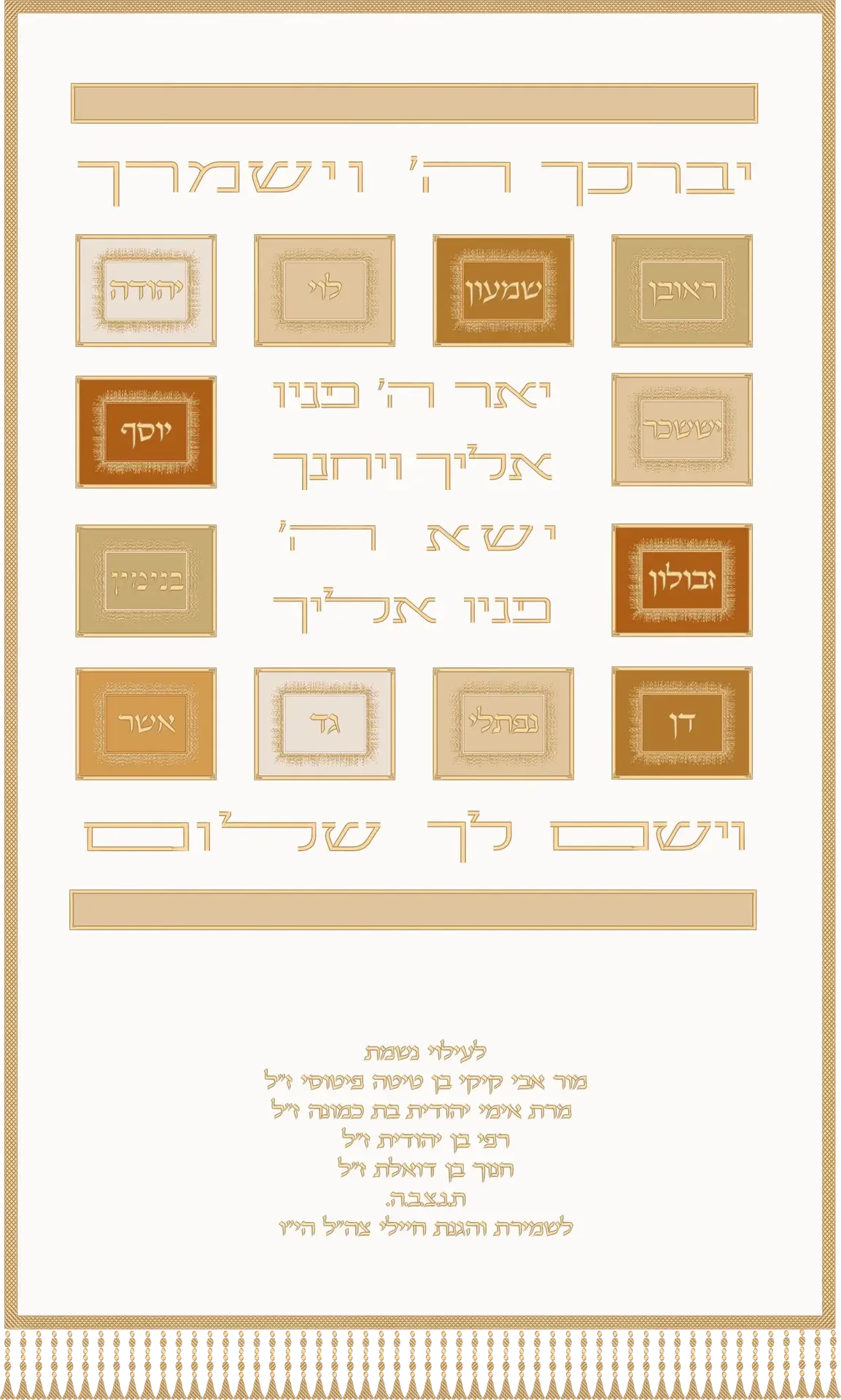
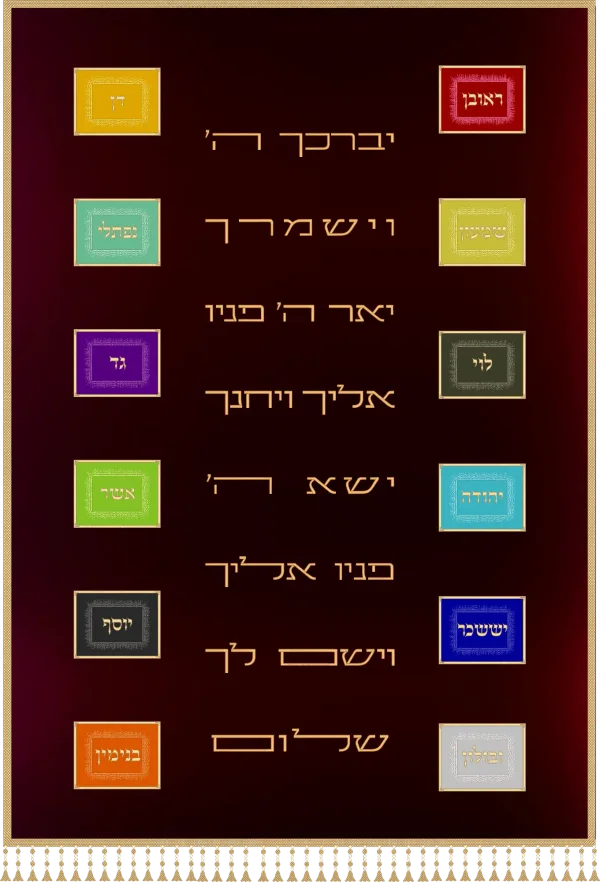
Parochet Shvatim (פרוכת שבטים): The Ark Curtain That Unites the Twelve Tribes of Israel
פרוכת שבטים curtains embroider the Twelve Tribes of Israel, bringing unity, heritage, and beauty to the synagogue's aron kodesh.
פרוכות לארון קודש
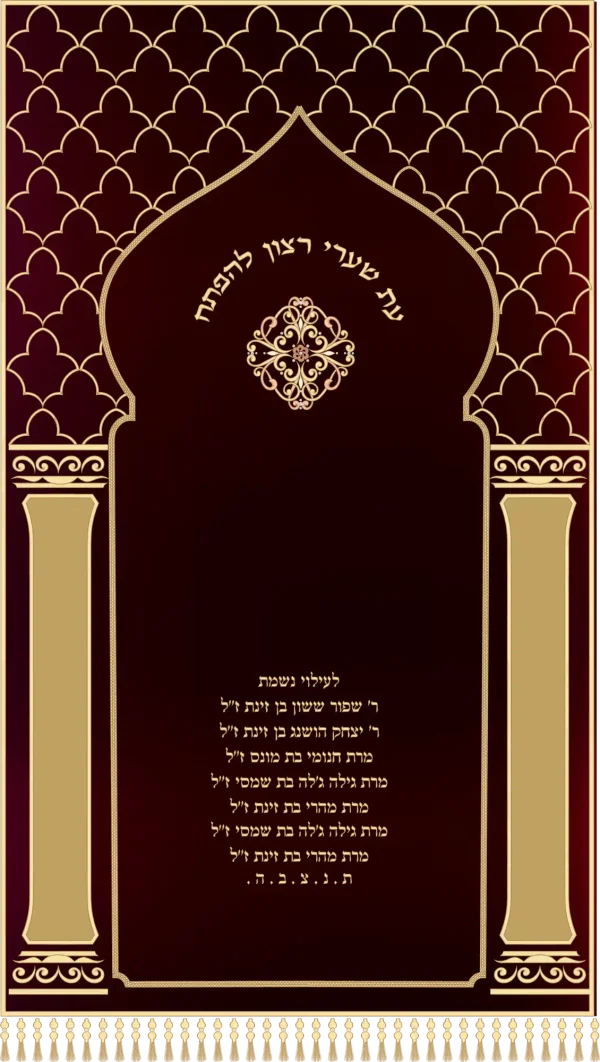
Parochet LeChagim (פרוכת לחגים): The Tradition of Festival Ark Curtains
A look at the parochet lechagim tradition - festival ark curtains that mark the Jewish holidays with fitting color and design.
פרוכות לארון קודש
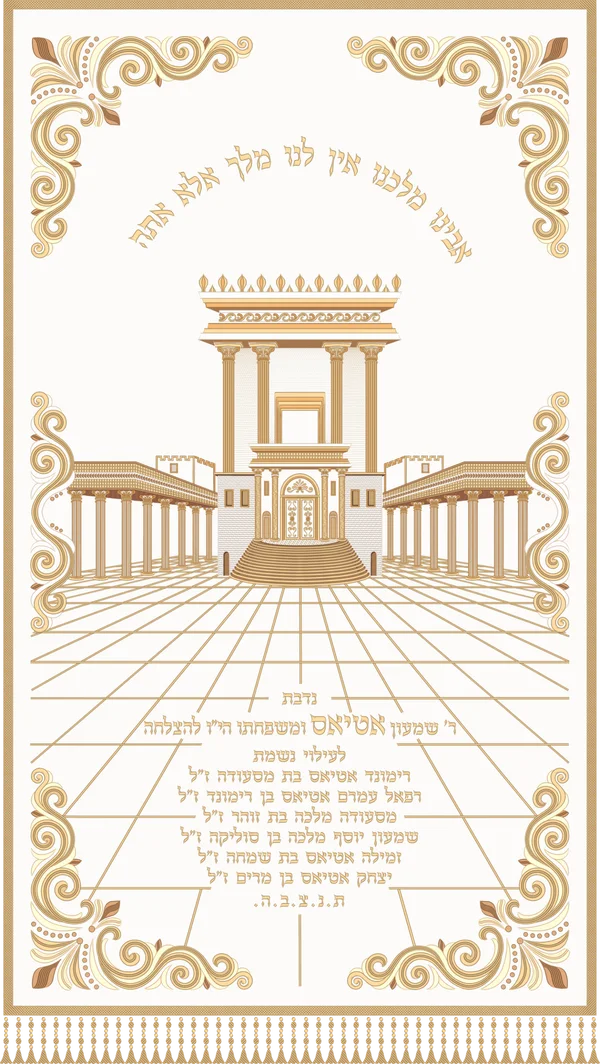
Parochet Dugma Beit HaMikdash (פרוכת דגם בית המקדש): A Guide to the Temple-Pattern Ark Curtain
Discover what a פרוכת דגם בית המקדש is, the Temple motifs it features, and how to choose the right design for your Aron Kodesh.