פרוכות לארון קודש
Kisui LeSefer Torah (כיסוי לספר תורה): Understanding the Torah Scroll's Sacred Covering
What is a כיסוי לספר תורה? A warm guide to the mantle, rigid case, and symbols that protect and honor every Torah scroll inside the ark.
מערכת ארגמן · 28 באוקטובר 2026 · 5 דק׳ קריאה
A כיסוי לספר תורה is the covering placed over a Torah scroll to protect its parchment and handles while honoring the text inside — most often a soft embroidered mantle in Ashkenazi communities, or a rigid, decorated case in Sephardic and Mizrahi communities where the scroll is kept upright. Beyond simple protection from dust, light, and handling, this covering reflects the dignity a congregation shows the Torah itself. Because synagogues differ in tradition, scroll size, and the way scrolls are stored in the ark, a כיסוי לספר תורה can take several different, equally meaningful forms.
In Brief
- A כיסוי לספר תורה shields the Torah scroll's parchment, rollers, and handles while it rests inside the Holy Ark.
- Ashkenazi communities generally use a soft fabric mantle, while Sephardic and Mizrahi communities often use a rigid, box-like case.
- Many covers are hand-embroidered with symbolic imagery such as crowns, lions, pomegranates, or the Tablets of the Covenant.
- The right covering depends on the scroll's physical form, the community's custom, and how it coordinates with the rest of the ark's textiles.
What Is a כיסוי לספר תורה?
This kind of covering is, at its simplest, any covering designed to enclose a Torah scroll between readings. The Torah scroll itself — handwritten on parchment and wound around two wooden rollers known as the atzei chaim — is delicate and irreplaceable, so Jewish communities have long dressed it in protective, dignified coverings before returning it to the ark. You can read more about the scroll's physical structure on Wikipedia's overview of the Sefer Torah. The covering is not simply packaging; it is treated as part of honoring the Torah, much like the parochet that hangs over the ark itself.
Two Main Families of Torah Scroll Coverings
Most coverings fall into one of two broad families, shaped largely by how a community's Torah scrolls are physically stored. Ashkenazi scrolls are generally dressed in a soft fabric mantle that slips over the standing scroll like a sleeve, while Sephardic and many Mizrahi scrolls rest inside a rigid case that opens like a book when the scroll is read. A third, simpler layer — an inner wrapping or binder — is sometimes used underneath the outer covering, especially around the parchment itself before the scroll is dressed.
| Covering Type | Common Among | Typical Materials |
|---|---|---|
| Soft embroidered mantle | Ashkenazi communities | Velvet or silk with metallic thread embroidery |
| Rigid decorated case | Sephardic and Mizrahi communities | Wood or metal frames covered in fabric or ornamentation |
| Inner binder or wrapping | Various communities, often ceremonial | Plain linen or cotton cloth |
Symbols and Craftsmanship Found on a Torah Scroll Cover
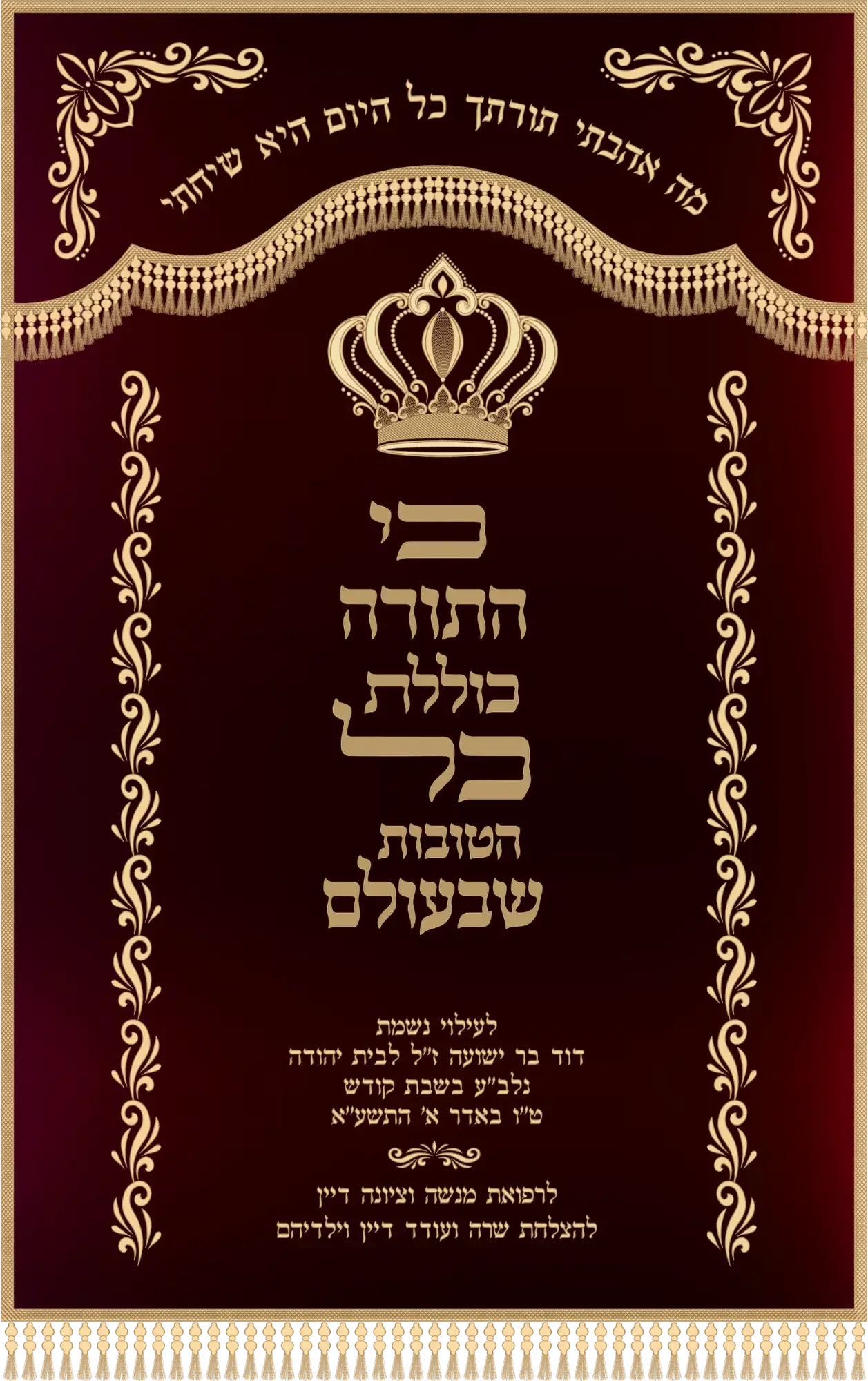
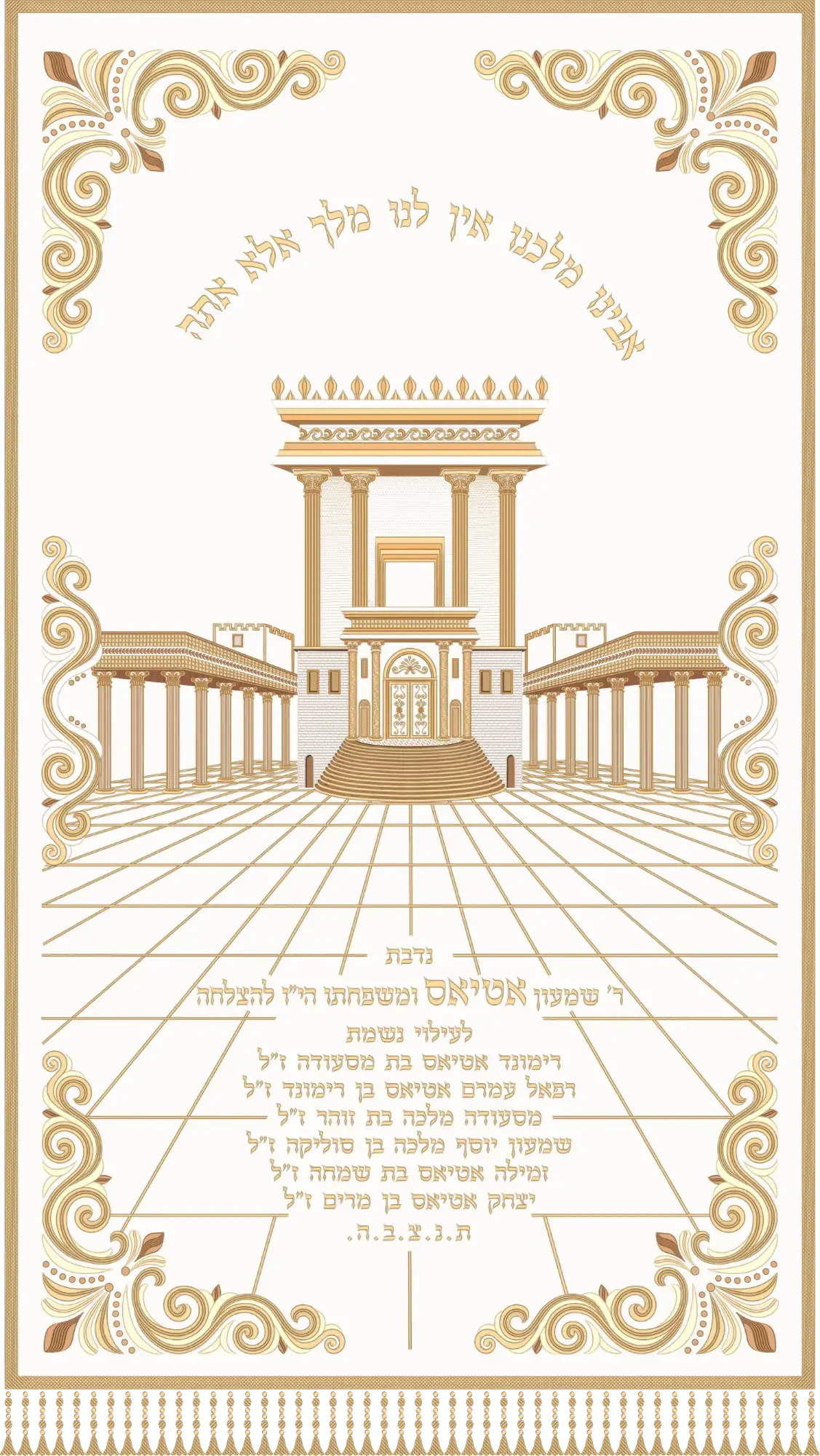
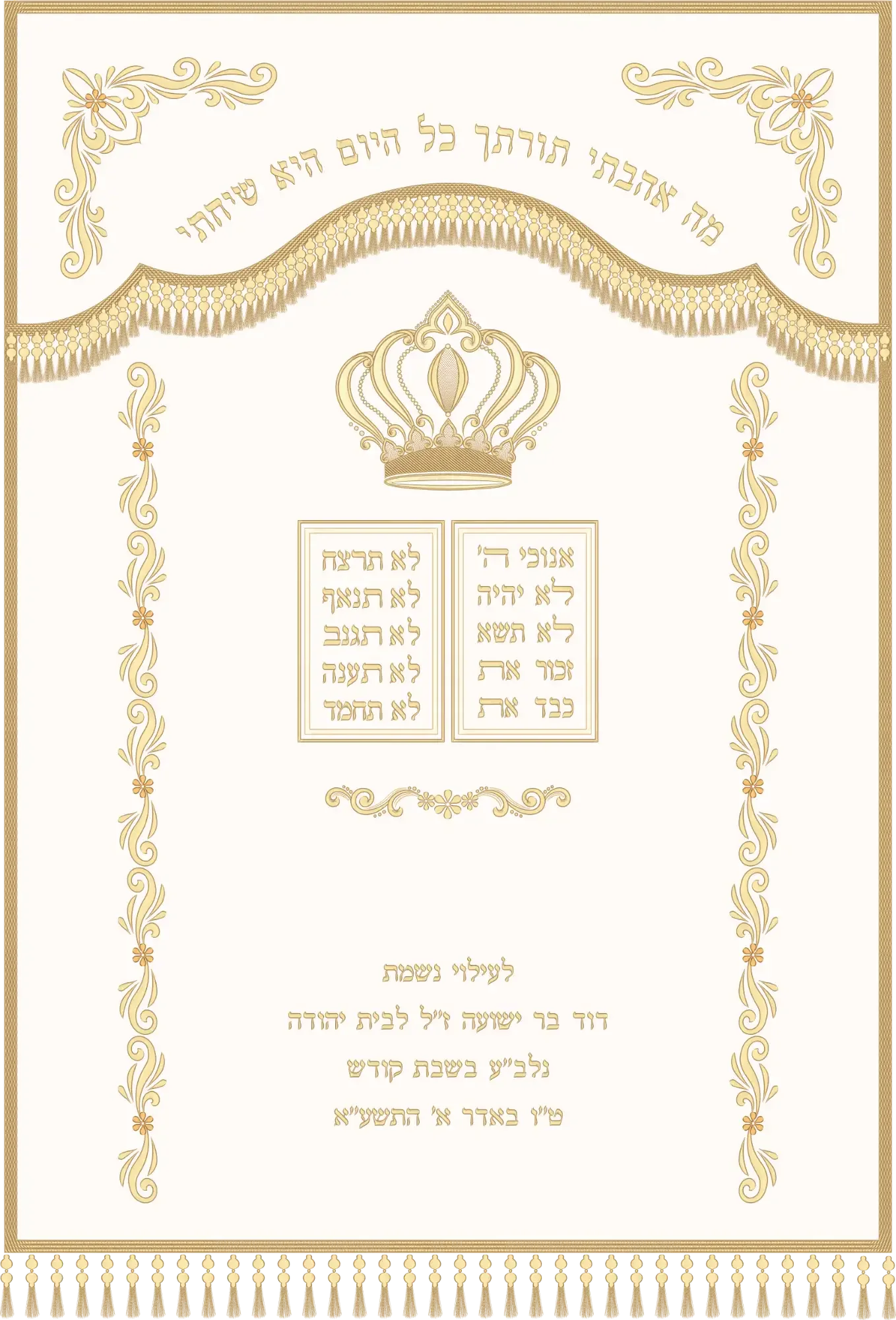
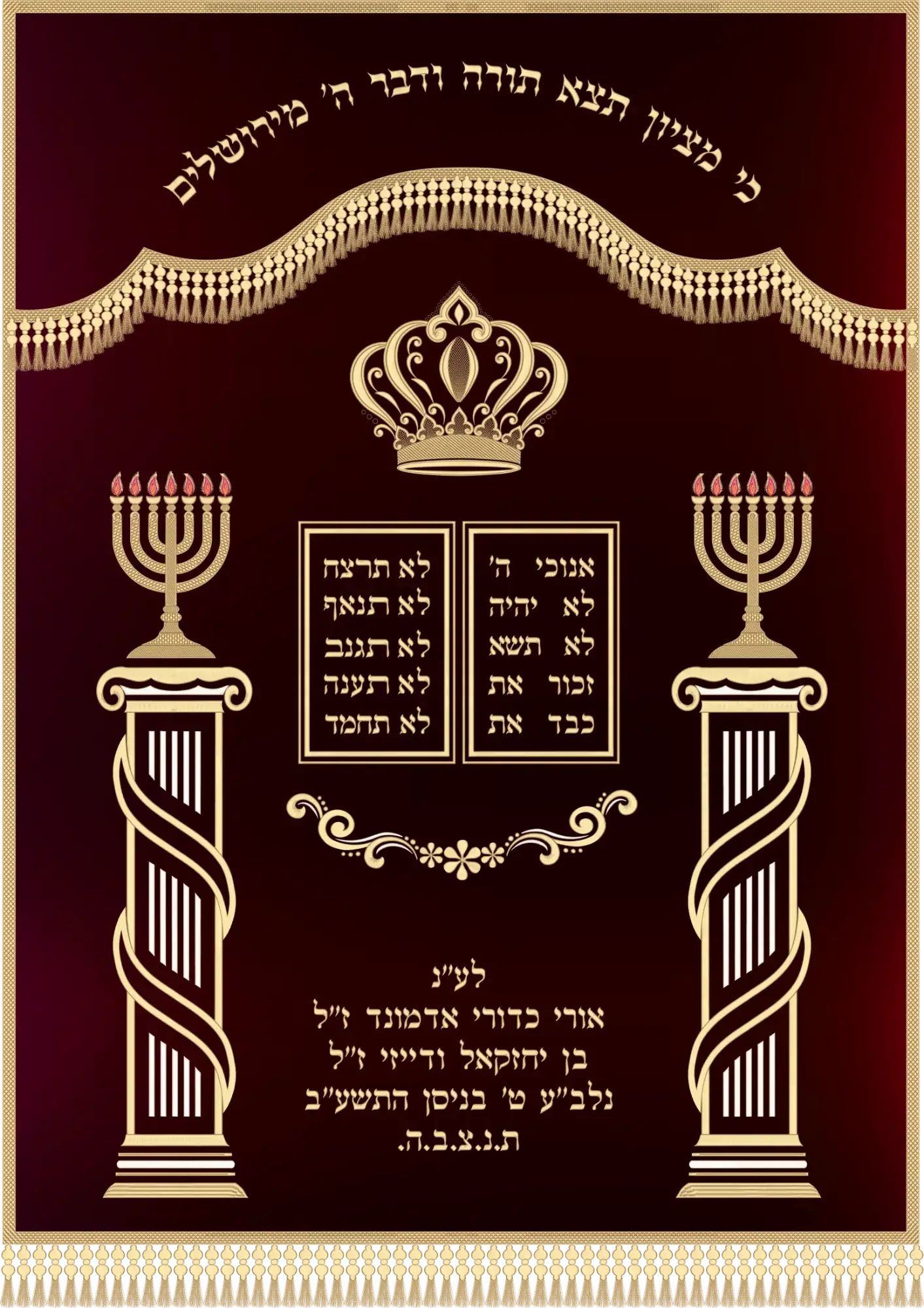
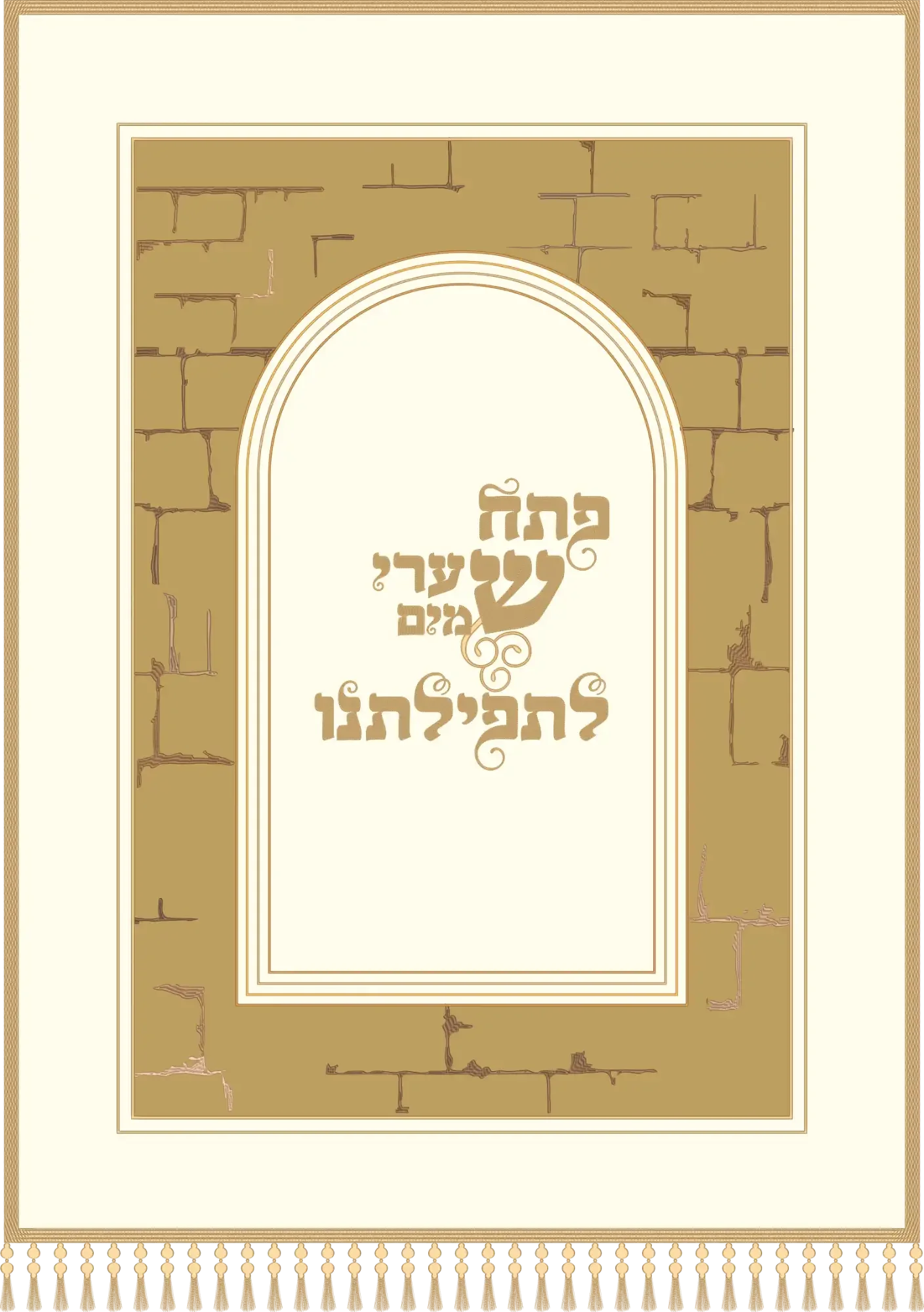
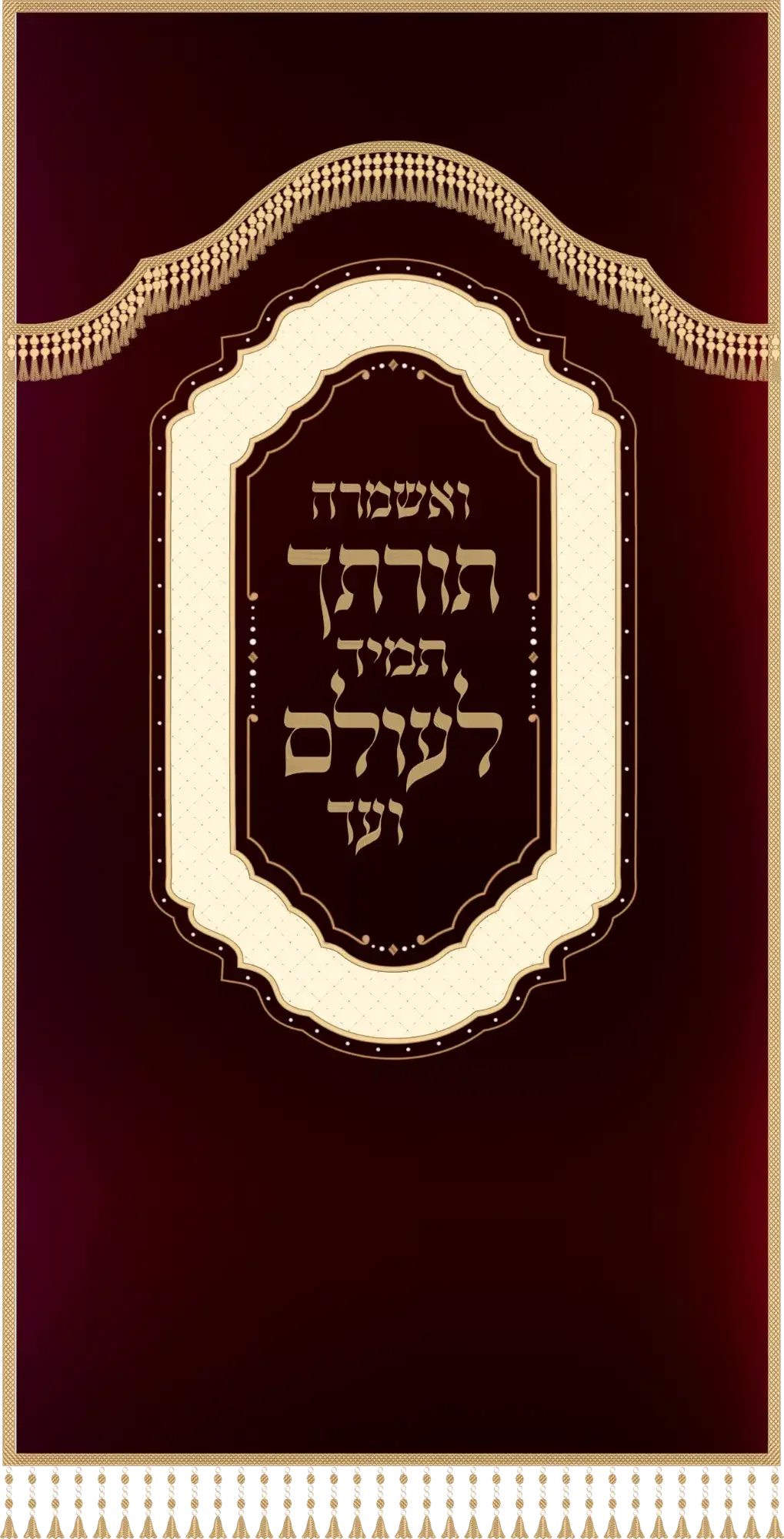
A כיסוי לספר תורה is often a canvas for the same symbols embroiderers use on ark curtains, since both textiles are meant to honor the Torah with beauty as well as function. Crowns, lions of Judah, pomegranates, and the Tablets of the Covenant are common motifs, frequently worked in gold or silver thread. Congregations that want visual harmony across their sacred textiles sometimes choose a scroll covering that echoes the crown motif of a parochet like פרוכת כתר מפואר, or the Temple imagery seen on a curtain such as פרוכת בית מקדש מפואר, so the ark presents a single, coordinated look. Hand embroidery workshops such as Hichala (היכלא), which specialize in embroidered ark curtains, often apply similar techniques — appliqué, raised threadwork, and fine detailing — when crafting Torah-related textiles. For more design inspiration, you can browse our gallery of parochot.
How to Choose the Right Covering for Your Scroll
Choosing a כיסוי לספר תורה starts with understanding the scroll it needs to fit, since a mantle sized for one scroll will not sit properly on another. A few practical points worth weighing:
- Confirm whether the community's tradition calls for a soft mantle or a rigid case, since switching styles can affect how the scroll is read and stored.
- Measure the scroll's height and the rollers' width carefully, as even a well-made covering will look awkward if it is the wrong size.
- Consider the fabric's durability, especially if the scroll is lifted and carried frequently during services.
- Think about how the covering's colors and symbols will look alongside the ark's existing parochet and other textiles.
Many congregations also choose to dedicate a new covering in memory of a loved one or in honor of a simcha, since it is lasting and visible every time the ark is opened.
Frequently Asked Questions
Is a Torah scroll cover the same thing as a parochet?
No — a כיסוי לספר תורה covers the scroll itself, while a parochet is the curtain that hangs in front of or inside the Holy Ark; many synagogues use both together.
Can a Torah scroll cover include a personal dedication?
Yes, it is common for communities to embroider a dedication, a name, or a meaningful verse onto a new covering when it is donated in someone's honor or memory.
Does every Jewish community use the same type of covering?
No, the style generally follows tradition: Ashkenazi communities typically use a soft mantle, while Sephardic and Mizrahi communities more often use a rigid, upright case.
Conclusion
A כיסוי לספר תורה is far more than a practical wrapping — it is one of the ways a community expresses honor for the Torah every time the scroll is removed from or returned to the ark. Whether your synagogue uses a soft embroidered mantle, a rigid case, or an inner binder beneath an outer covering, choosing the right style and matching it thoughtfully to your community's tradition and existing textiles helps keep that honor visible for years to come.
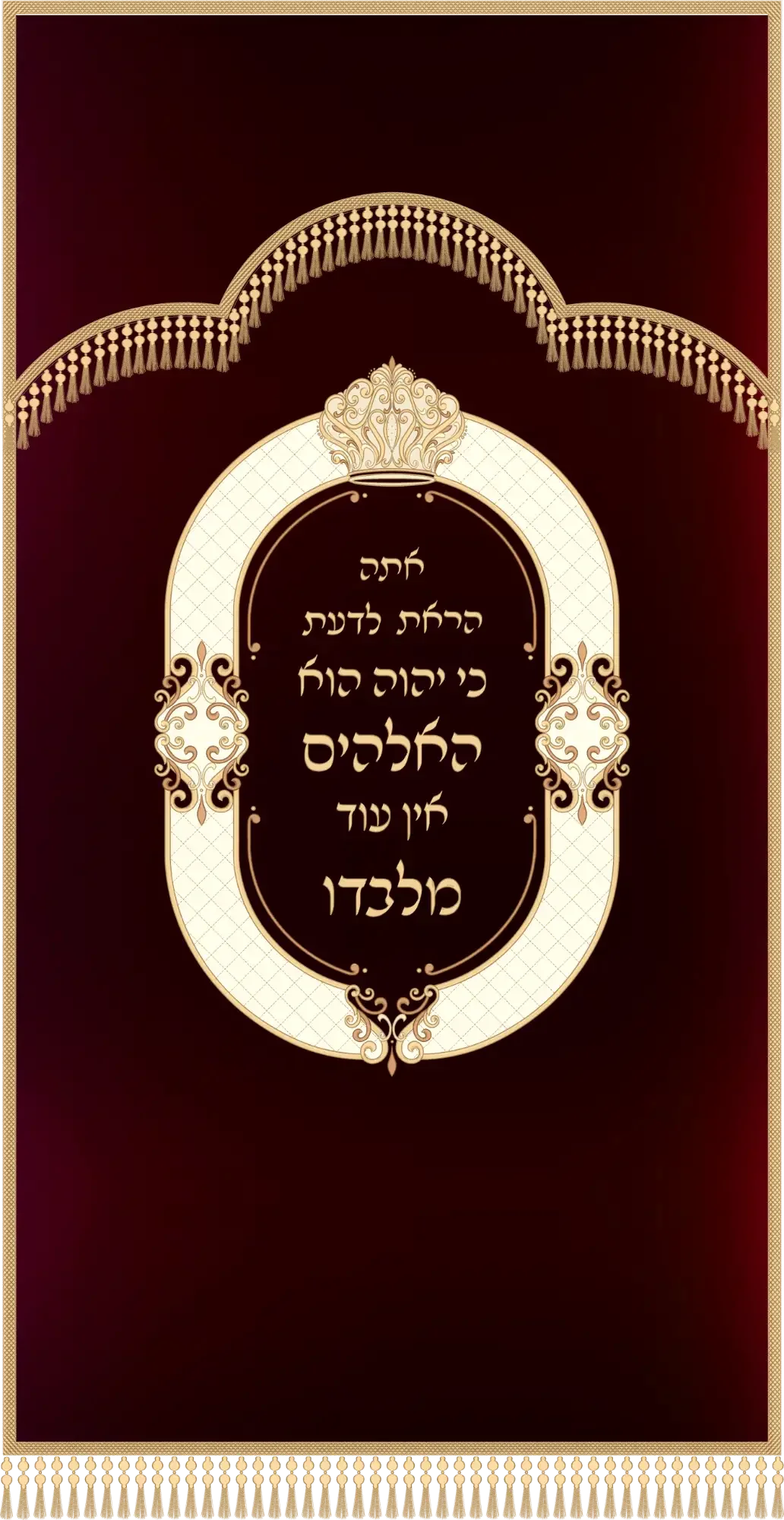
עוד מהעולם של ארגמן
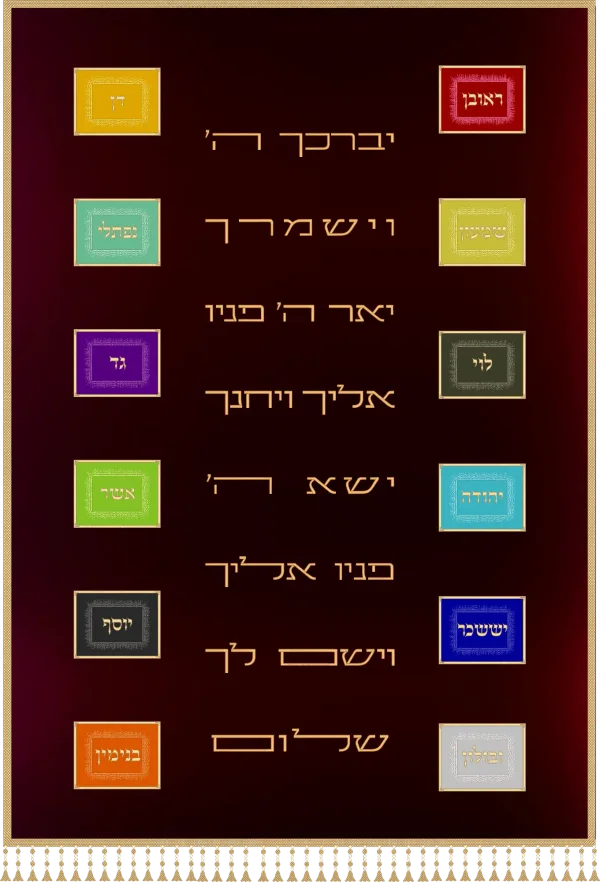
פרוכות לארון קודש
Parochet Shvatim (פרוכת שבטים): The Ark Curtain That Unites the Twelve Tribes of Israel
פרוכת שבטים curtains embroider the Twelve Tribes of Israel, bringing unity, heritage, and beauty to the synagogue's aron kodesh.
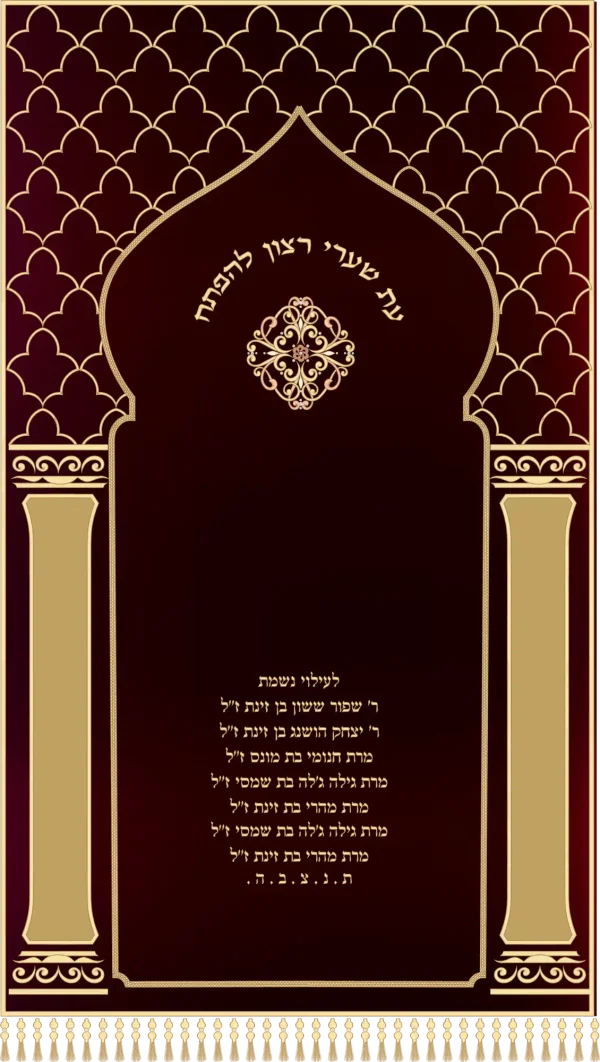
פרוכות לארון קודש
Parochet LeChagim (פרוכת לחגים): The Tradition of Festival Ark Curtains
A look at the parochet lechagim tradition - festival ark curtains that mark the Jewish holidays with fitting color and design.
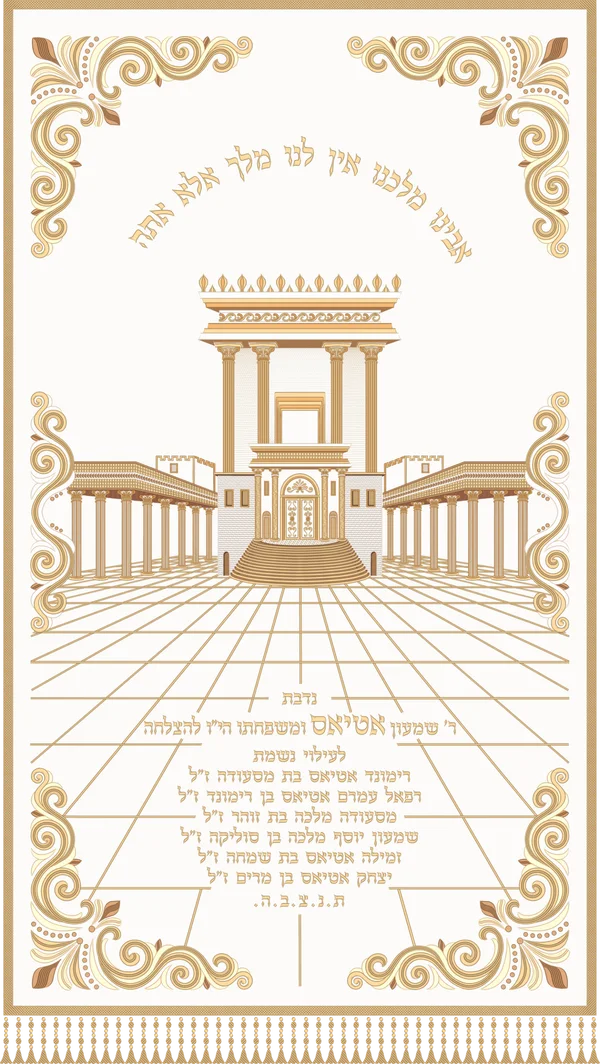
פרוכות לארון קודש
Parochet Dugma Beit HaMikdash (פרוכת דגם בית המקדש): A Guide to the Temple-Pattern Ark Curtain
Discover what a פרוכת דגם בית המקדש is, the Temple motifs it features, and how to choose the right design for your Aron Kodesh.