פרוכות לארון קודש
Bayit LeSefer Torah (בית לספר תורה): The Sacred Case That Holds the Torah Scroll
A בית לספר תורה is the hard, hinged Torah scroll case cherished in Sephardic and Mizrahi tradition—see how it differs from a soft mantle.
מערכת ארגמן · 27 באוקטובר 2026 · 6 דק׳ קריאה
A בית לספר תורה (bayit lesefer torah) is a rigid, hinged case—crafted from wood, silver, or finely worked metal—that fully encloses a Torah scroll and allows it to stand upright, a tradition especially cherished in Sephardic and Mizrahi communities. Unlike the soft Ashkenazi mantle that slips over a scroll resting on its side, this hard case opens on a hinge so the scroll can be turned and read while still partly held within its shell. Knowing the difference helps a synagogue, family, or gabbai choose the right covering when a Torah scroll needs a new home.
In Brief
- A בית לספר תורה is a hard, hinged case that fully surrounds a Torah scroll, most common among Sephardic, Mizrahi, and Yemenite communities.
- It differs from the Ashkenazi me'il, a soft fabric mantle that slides over a scroll lying on its side rather than enclosing it in a rigid shell.
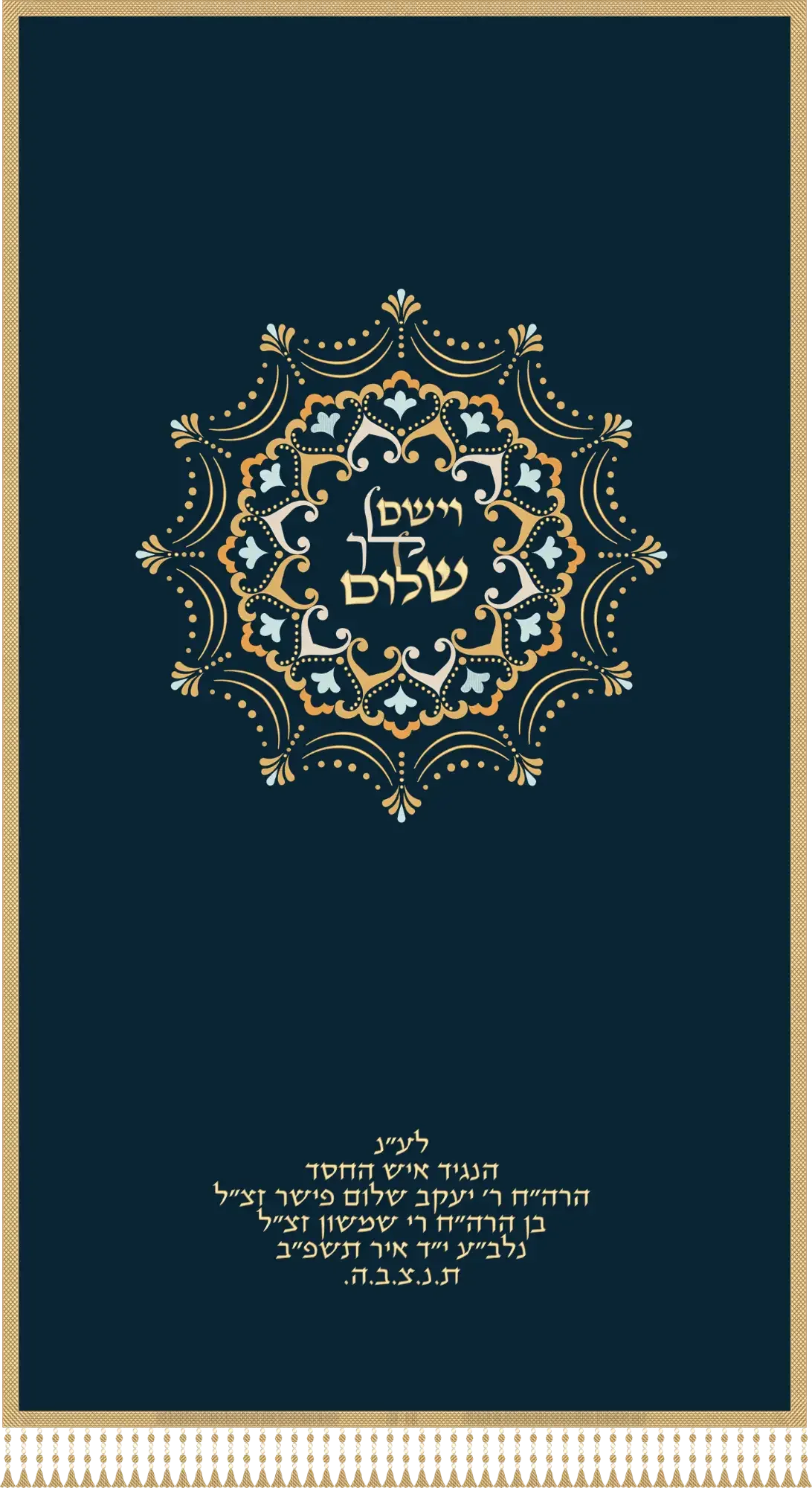
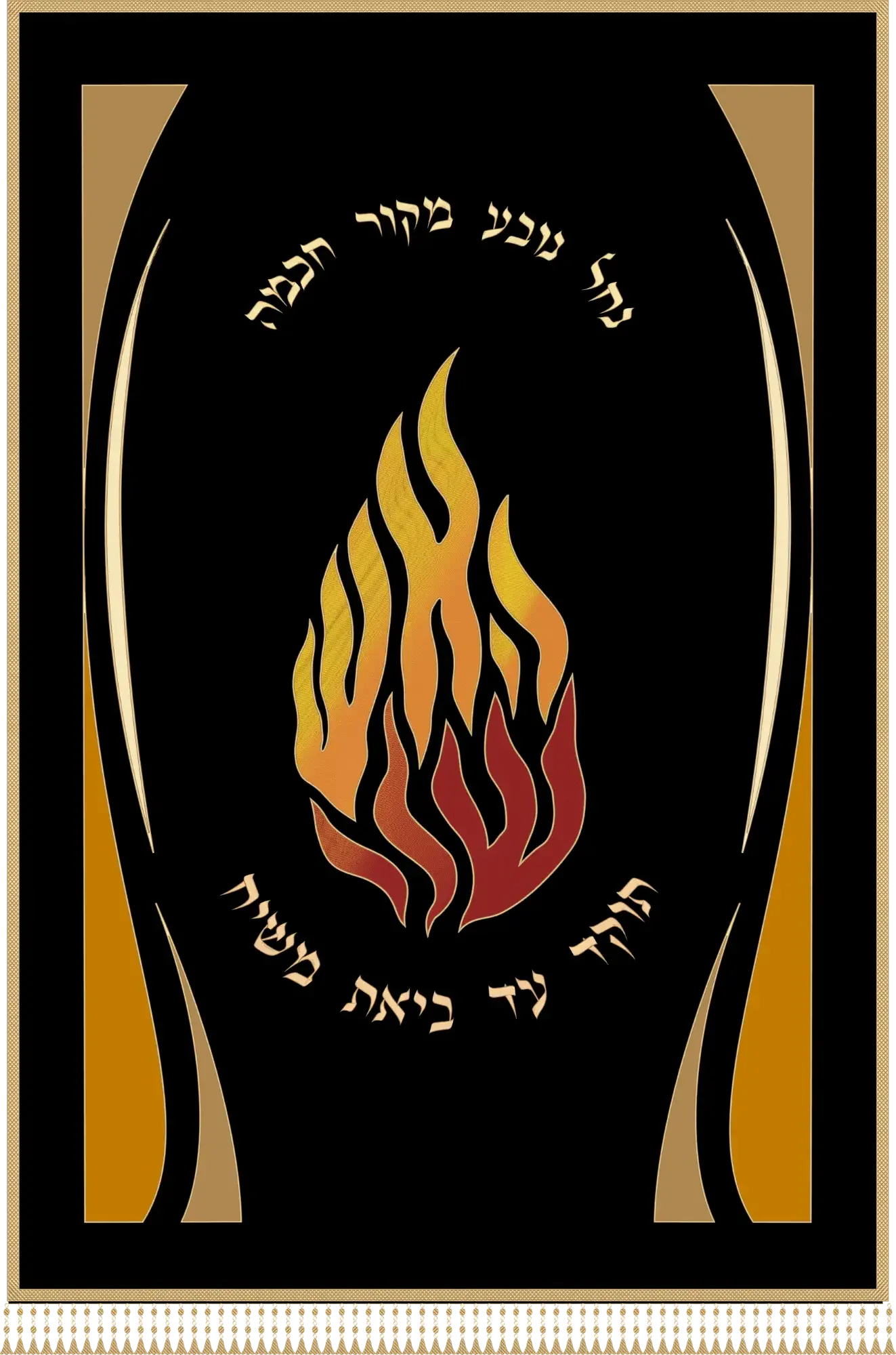
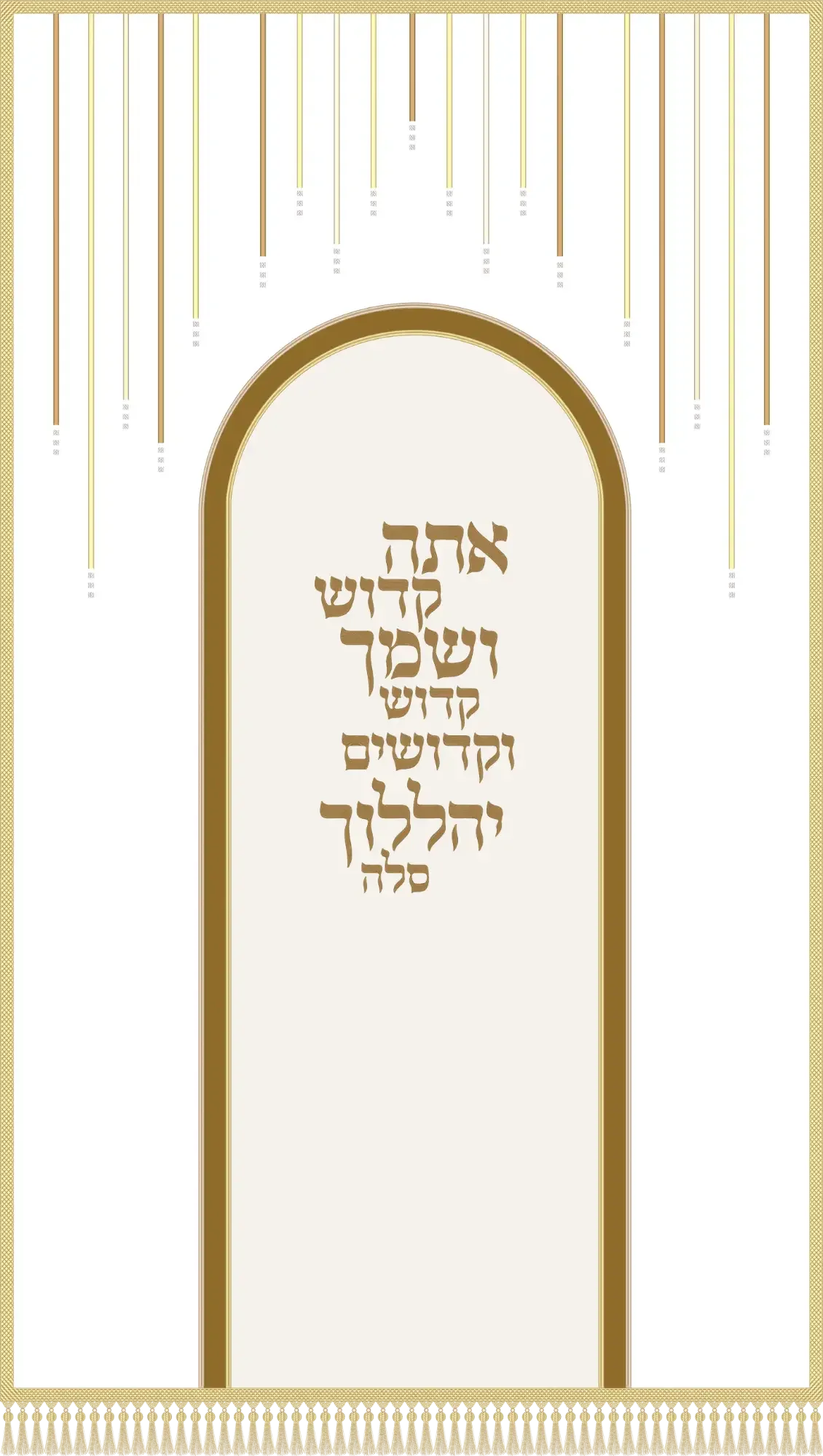
- The case is often decorated with silver crowns, finials, or engraved panels, echoing the same spirit of hiddur mitzvah found in a hand-embroidered parochet for the ark.
- Choosing or commissioning one depends on the scroll's size, the community's custom, and the materials chosen for the case and its ornaments.
What Is a בית לספר תורה?
Also known by its Hebrew name, bayit lesefer torah, this case is the traditional hard casing that houses and protects a Torah scroll in many Eastern Jewish communities, including Iraqi, Syrian, Persian, and other Sephardic and Mizrahi traditions. Rather than resting flat and being dressed in a soft cloth sleeve, the scroll stands vertically inside the case, which is typically built in two hinged halves. When the Torah is read, the case is opened and the scroll is turned within it, so the parchment itself is rarely lifted entirely free of its casing. This method has shaped the whole reading custom in these communities, including how the scroll is carried, displayed, and stored inside the ark.
For readers unfamiliar with the broader object the case protects, a short overview of the Sefer Torah itself is a useful starting point before exploring the many ways communities have chosen to cover and honor it.
Hard Case or Soft Mantle: Two Ways to Cover a Torah Scroll
The main alternative to a hard case is the me'il, the soft fabric mantle favored in Ashkenazi practice. Both serve the same core purpose—protecting the parchment and honoring the scroll—but they differ in form, material, and the way the Torah is handled during the service.
| Covering Style | Typical Communities | How the Scroll Rests | Common Materials |
|---|---|---|---|
| Bayit LeSefer Torah (hard case) | Sephardic, Mizrahi, Yemenite | Upright, enclosed in a hinged shell | Wood, silver, velvet lining |
| Me'il (soft mantle) | Ashkenazi | Horizontal, slipped inside a fabric sleeve | Velvet, silk, metallic embroidery |
| Case Crown and Finials | Varies by community custom | Attached atop the case or scroll handles | Silver or gold-toned metal |
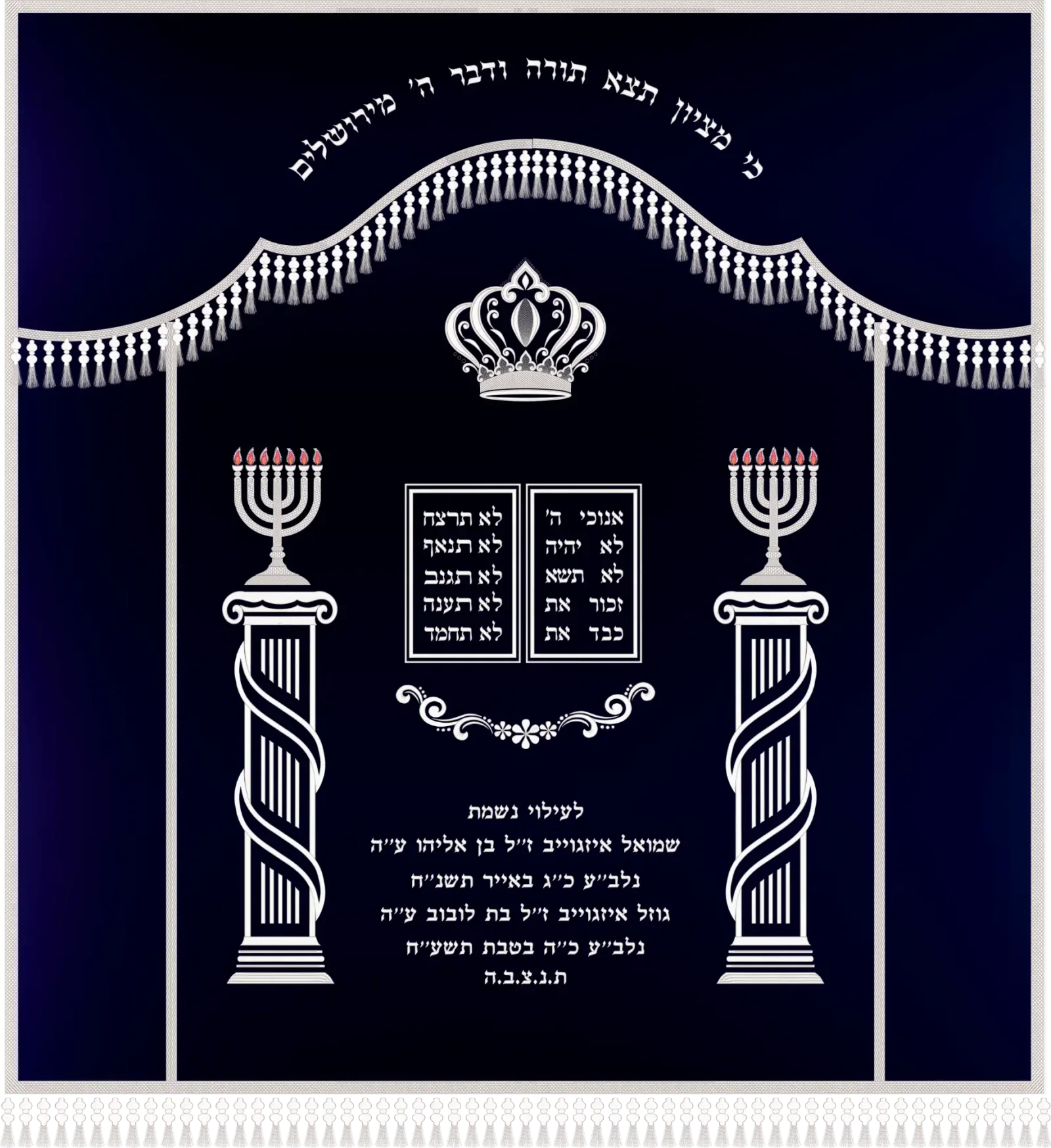
Many congregations that keep their scroll in a hard case still dress the ark itself in a soft, embroidered parochet with the Tablets of the Covenant and a golden menorah, since the ark curtain and the Torah's own covering follow entirely different customs.
Materials and Craftsmanship Behind the Case
Craftsmen building this kind of case usually start with a wooden frame, since wood is light enough to carry yet sturdy enough to protect the scroll for generations. The exterior is then layered with silver plating, filigree, or velvet panels, and many cases are topped with a crown, rimonim (finials), or a breastplate resembling the Temple's priestly choshen. The interior lining is typically velvet or another soft fabric, cushioning the parchment and preventing friction as the scroll turns inside its shell.
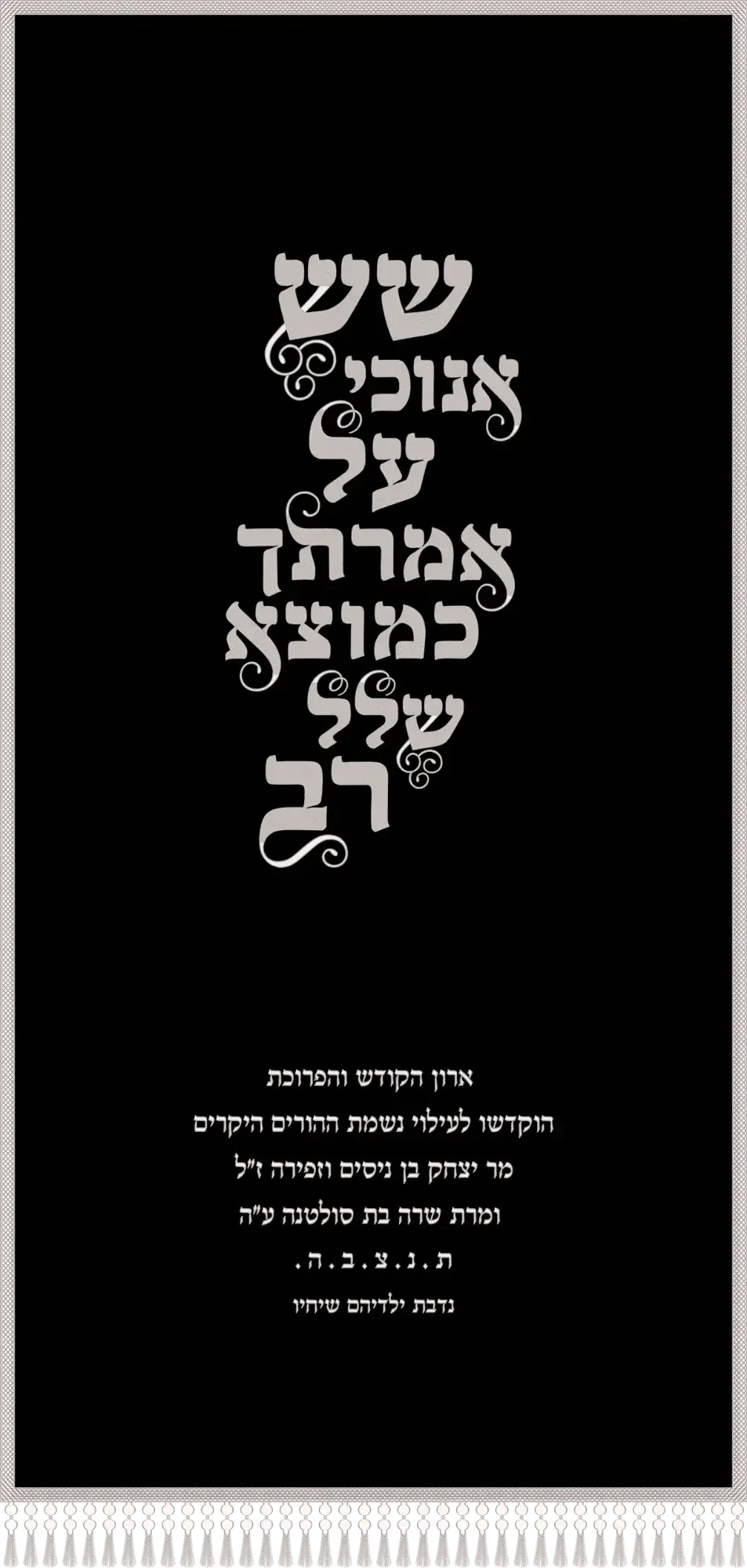
Because the case is so visible during the service, families and communities often treat its design as an opportunity for hiddur mitzvah, choosing ornamentation that reflects a specific heritage, a beloved verse, or a family tradition passed down with the scroll itself. Some communities also use the decoration of a scroll's case as an occasion to honor a relative's memory, much the way a dedicated parochet is offered to a synagogue in loving memory of a parent or teacher.
Choosing the Right Covering for Your Community's Torah Scroll
Whether a synagogue is commissioning a new בית לספר תורה or simply trying to understand the tradition behind an inherited one, a few practical questions are worth asking:
- Does the community's custom call for a hard case, a soft mantle, or both, depending on the scroll in question?
- What size and weight can the case be before it becomes difficult for the Torah reader to manage comfortably?
- Should the case be ordered to match other textiles in the sanctuary, such as the ark curtain or bimah covering?
- Is the case intended as a dedication piece, and if so, what inscription or symbol should it carry?
Communities that keep their Torah in a hard case often still invest in a richly embroidered parochet for the ark, since the two objects are seen together every time the ark is opened. Browsing our gallery of parochot can offer a sense of the embroidery styles, symbols, and fabrics that pair naturally with a decorated Torah case. For more on the broader family of Torah coverings and ornaments across communities, the Wikipedia overview of Torah ornaments is a helpful reference.
Frequently Asked Questions
Is a בית לספר תורה the same as a Torah mantle?
No. A Torah mantle (me'il) is a soft fabric sleeve used mainly in Ashkenazi communities, while this hard, hinged case fully encloses the scroll and is more common in Sephardic and Mizrahi practice.
Which communities traditionally use a hard case for the Torah scroll?
Sephardic, Mizrahi, and Yemenite communities most commonly use this style, though exact customs vary from one congregation to another.
Can a Torah scroll's case be custom designed?
Yes. Wood type, silver ornamentation, lining fabric, and inscriptions can all be chosen to match a community's heritage or to mark a dedication in someone's memory.
Conclusion
A בית לספר תורה is far more than a practical container—it is a visible expression of the honor a community gives to its Torah scroll, built with the same care and intention found in a hand-stitched parochet at Hichala (היכלא). Whether your synagogue follows this tradition or the soft mantle common elsewhere, understanding why each covering looks and functions the way it does deepens appreciation for every detail surrounding the Torah's presence in the sanctuary.
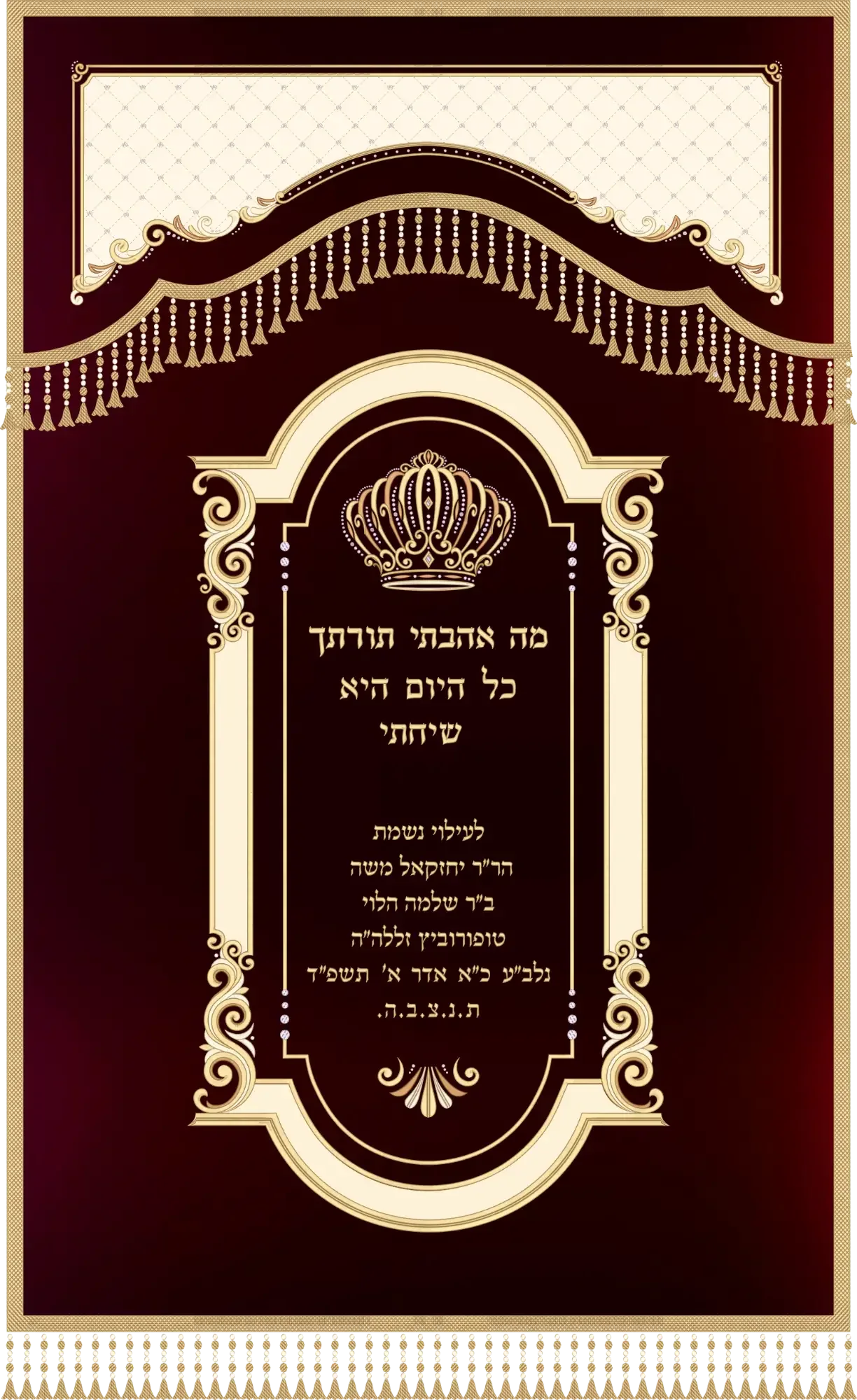
עוד מהעולם של ארגמן
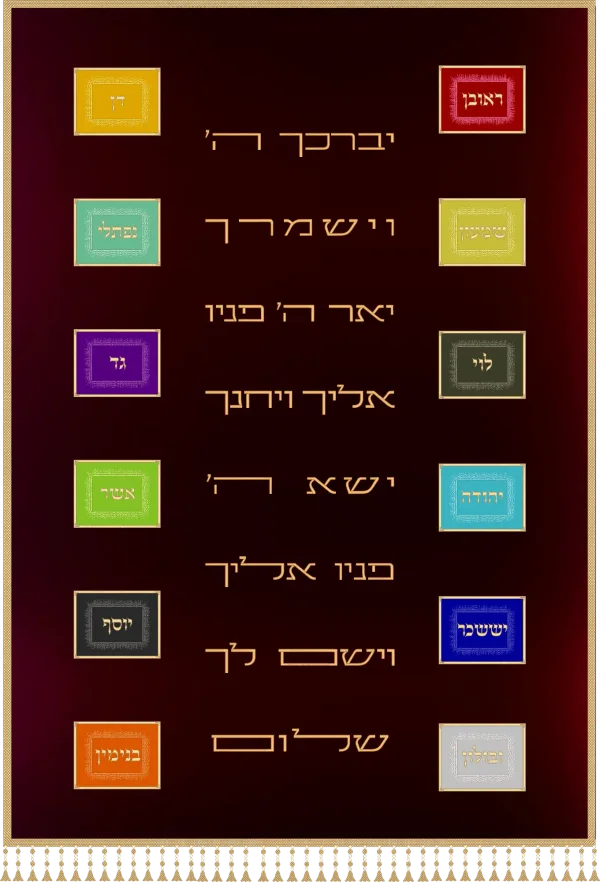
פרוכות לארון קודש
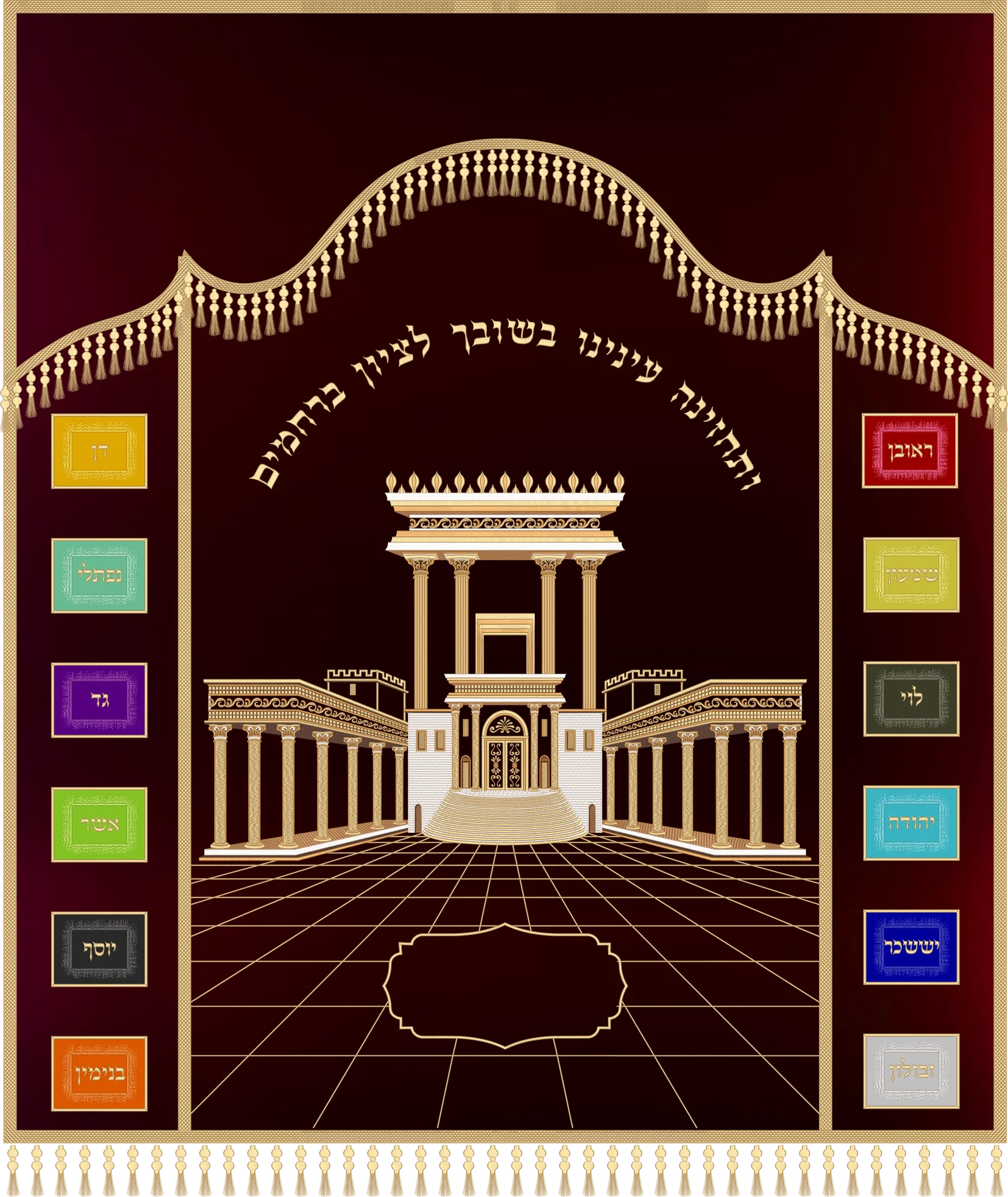
Parochet Shvatim (פרוכת שבטים): The Ark Curtain That Unites the Twelve Tribes of Israel
פרוכת שבטים curtains embroider the Twelve Tribes of Israel, bringing unity, heritage, and beauty to the synagogue's aron kodesh.
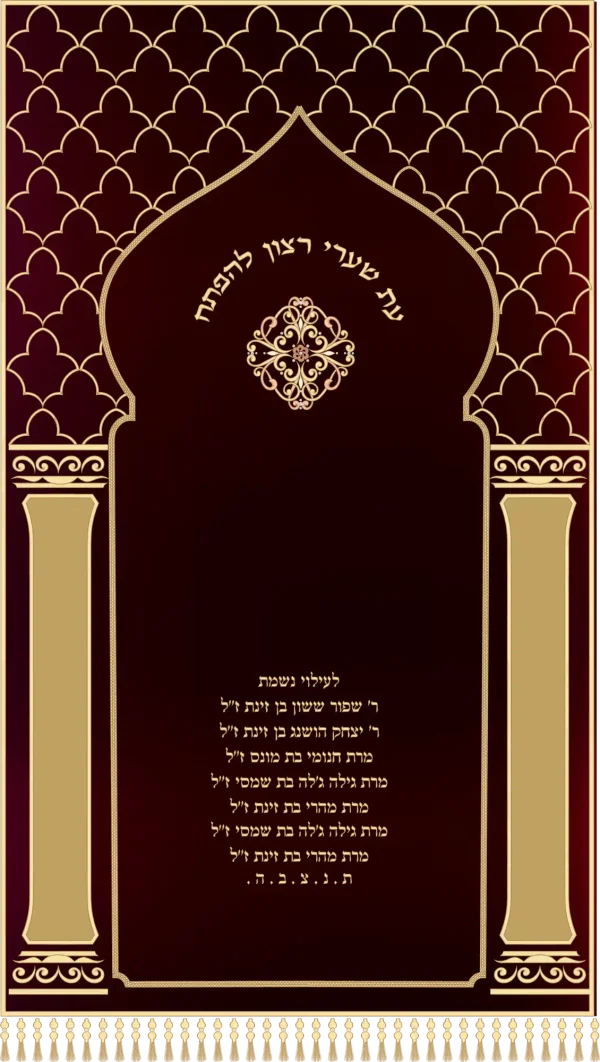
פרוכות לארון קודש
Parochet LeChagim (פרוכת לחגים): The Tradition of Festival Ark Curtains
A look at the parochet lechagim tradition - festival ark curtains that mark the Jewish holidays with fitting color and design.
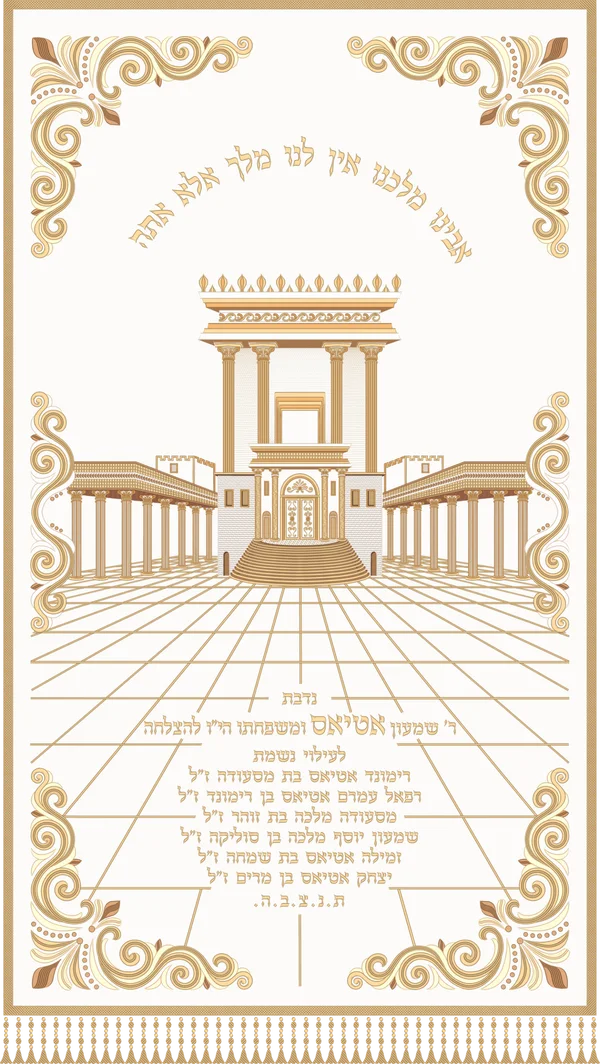
פרוכות לארון קודש
Parochet Dugma Beit HaMikdash (פרוכת דגם בית המקדש): A Guide to the Temple-Pattern Ark Curtain
Discover what a פרוכת דגם בית המקדש is, the Temple motifs it features, and how to choose the right design for your Aron Kodesh.