פרוכות לארון קודש
Batim LeSefer Torah (בתים לספר תורה): Building a Collection of Torah Scroll Cases
A guide to בתים לספר תורה — the sacred cases holding Torah scrolls — their styles, materials, and how to build or match a set.
מערכת ארגמן · 29 באוקטובר 2026 · 5 דק׳ קריאה
Batim LeSefer Torah (בתים לספר תורה) are the rigid, upright cases traditionally used to house a Torah scroll, most closely associated with Sephardic and Mizrahi synagogue custom. Each bayit cradles the parchment scroll inside a decorated shell of wood, silver, or fabric-covered panels, letting the scroll stand on the bimah and be read while still resting inside its case. For congregations that care for more than one Torah scroll, assembling a thoughtful, matching set of these cases is part of honoring the full collection housed in the ark.
In brief
- בתים לספר תורה are the hard, upright cases used mainly in Sephardic and Mizrahi tradition to hold and protect a Torah scroll.
- Unlike the soft Ashkenazi mantle, a bayit allows the scroll to stand upright on the bimah and be read directly from inside the case.
- Synagogues that own several Torah scrolls often build a coordinated collection of cases, matched in material, color, or decorative motif.
- The decorative panels of a bayit are frequently chosen to echo the embroidery of the synagogue's ark curtain and other Torah dressings.
What Are Batim LeSefer Torah (בתים לספר תורה)?
A bayit lesefer Torah is a wooden frame covered in silver plates, embossed metal, painted wood, or richly embroidered fabric, hinged so it opens like a book while the scroll stays attached to the rollers inside. This style is customary among Moroccan, Syrian, Iraqi, Yemenite, and other Mizrahi communities, where the scroll is read standing in its case rather than removed and laid on a reading table as in Ashkenazi practice. The text of the scroll itself is identical across traditions — only the exterior housing differs from community to community.
Why Build a Full Collection of בתים לספר תורה?
A congregation builds a full collection of cases when it cares for more than one Torah scroll, each one often used for a different purpose throughout the year — a regular Shabbat scroll, a festival scroll, or an older heirloom scroll donated by a founding family. Building a matched set helps a synagogue display its scrolls with dignity and makes each one easy to identify at a glance. Common reasons a collection grows include:
- A new Torah scroll is dedicated in memory of a loved one and needs its own case.
- An older case has worn out and is replaced while its original decorative theme is preserved.
- The synagogue wants holiday-specific cases that coordinate with special-occasion ark curtains.
- A merger of two congregations brings multiple scrolls, each already in its own established case, under one roof.
Comparing Common Styles of בתים לספר תורה
Styles of Torah scroll cases vary by community and by the materials used to decorate the wooden frame. The table below outlines a few familiar examples.
| Style | Typical Material | Common Community |
|---|---|---|
| Carved and painted wood case | Painted wood with inlay | Moroccan communities |
| Silver-covered case | Sterling silver plating over a wood frame | Syrian, Iraqi, and Egyptian communities |
| Fabric-covered case | Velvet or brocade over a wood frame | General Mizrahi and Sephardic use |
| Tooled leather case | Hand-tooled leather over wood | Yemenite communities |
Matching the Bayit to the Ark Curtain and Other Dressings
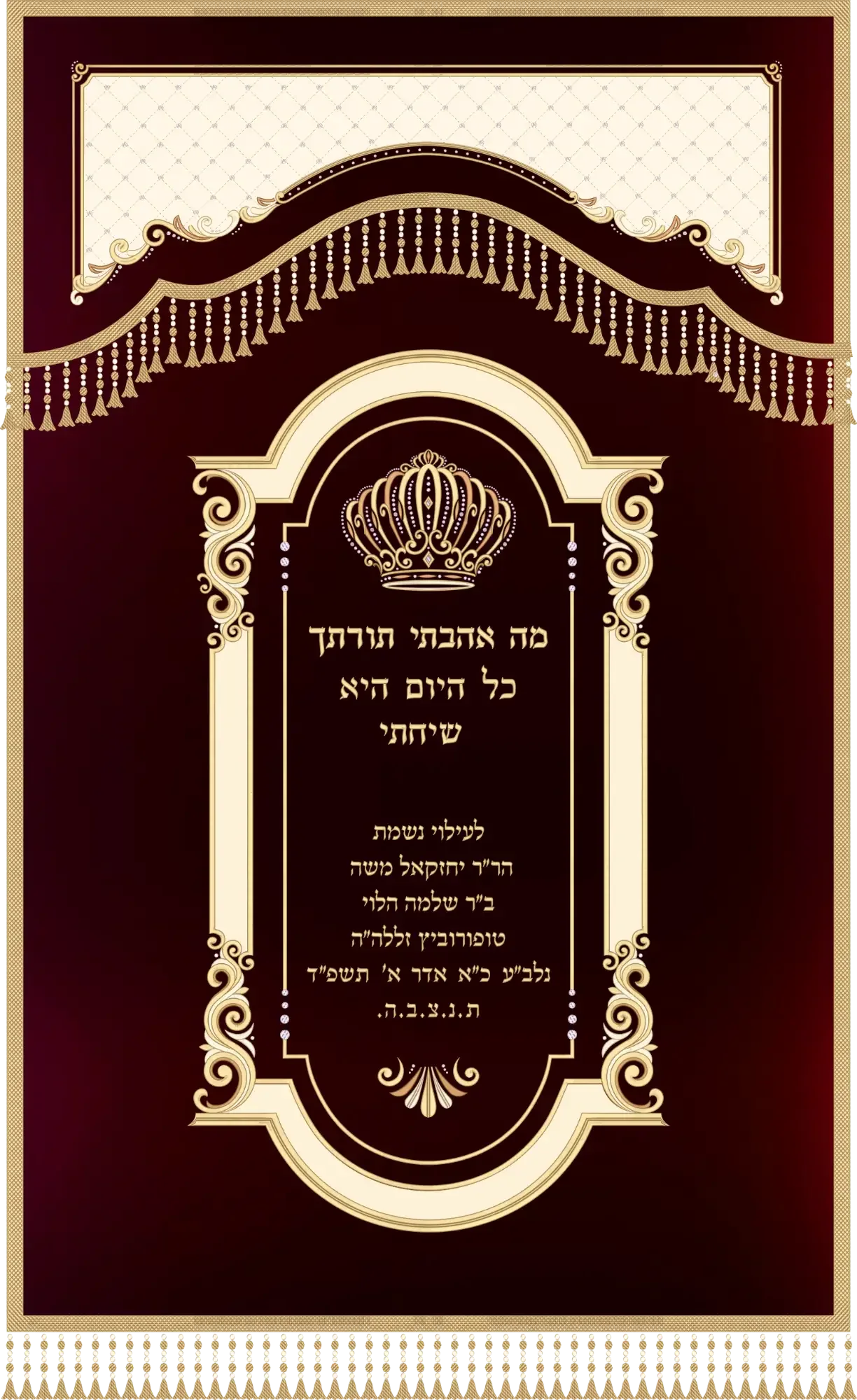
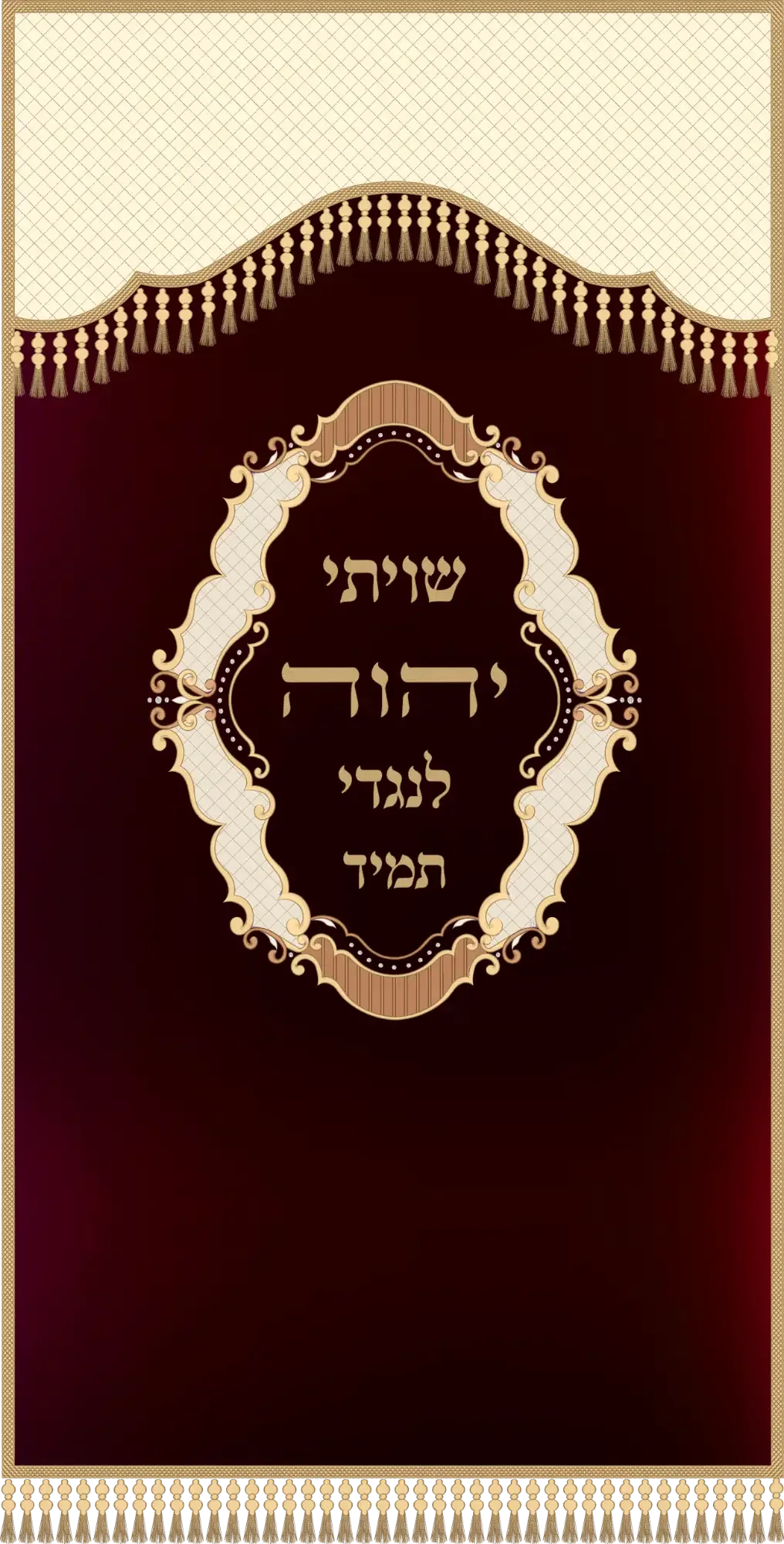
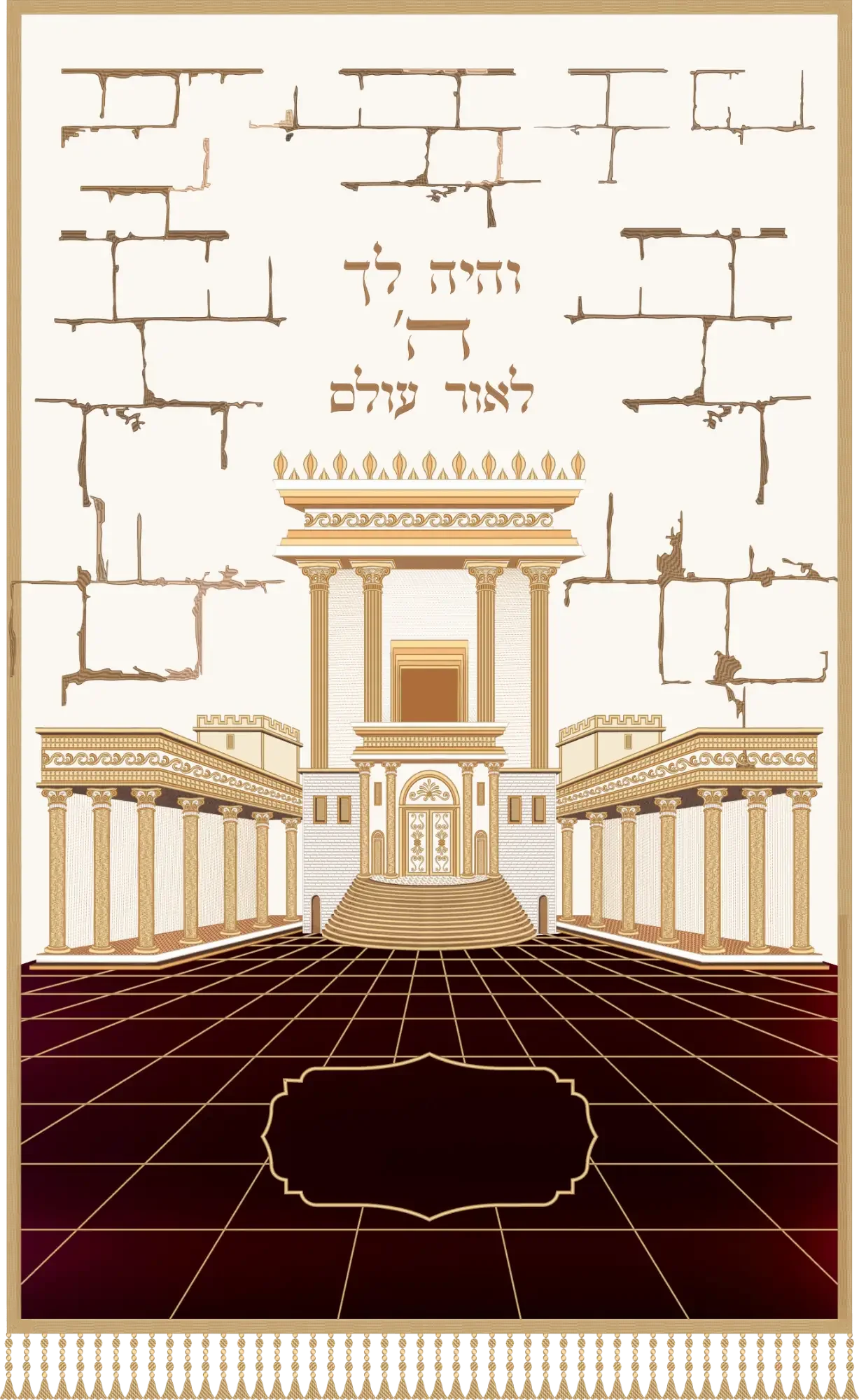
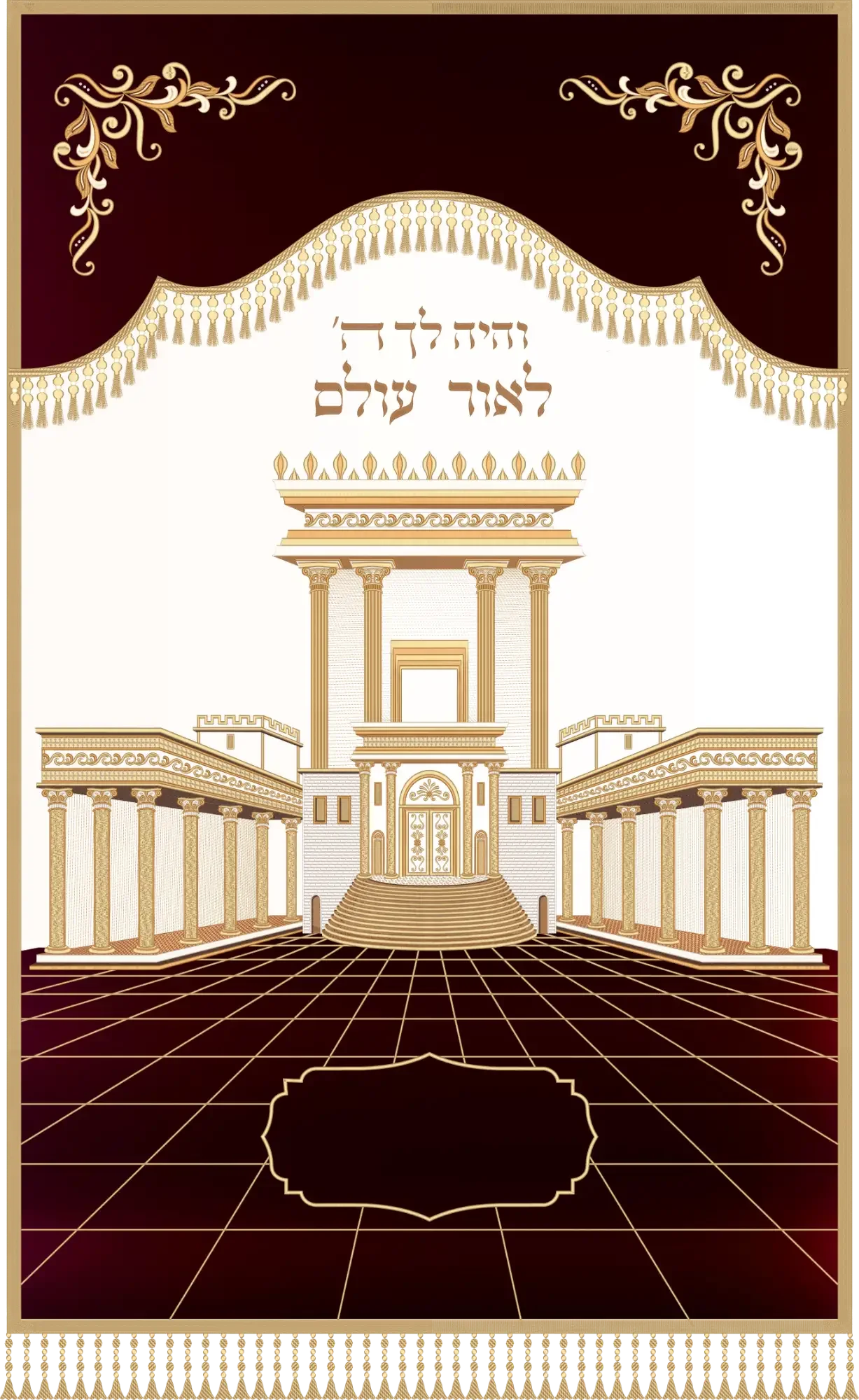
A bayit does not stand alone — it is dressed alongside a hand-embroidered ark curtain, and together they frame the moment the ark is opened. Many congregations choose themes, such as the Tablets of the Covenant, crowns, or Temple imagery, that repeat across the parochet, the case, and even the Torah mantle so the whole ensemble feels unified. When a community is building or renewing its collection of בתים לספר תורה, it often works with the same embroidery studio used for the ark curtain to keep colors and motifs consistent. Hichala (היכלא) hand-embroiders ark curtains such as the Tablets of the Covenant parochet with a gold menorah or the expanded Beit HaMikdash parochet, both themes that pair naturally with a case carrying similar imagery. Browsing our gallery of parochot can help a committee settle on a shared visual language before choosing or commissioning new cases.
Choosing or Renewing a Bayit: A Short Checklist
A short checklist can guide a synagogue committee that is commissioning a new case or restoring an older one:
- Confirm the exact height and width of the scroll so the case is sized correctly.
- Decide whether the case should match an existing set or introduce a new but complementary theme.
- Choose a durable material that can withstand regular handling during services.
- Consider whether a dedication plaque will be added in memory or honor of a family member.
- Coordinate the decorative motif with the ark curtain and other Torah dressings already in use.
Caring for a Collection of Torah Scroll Cases
Caring for a set of cases is mostly about steady, gentle maintenance rather than any single fix. Keep the cases away from direct humidity and sunlight, dust the exterior regularly with a soft cloth, and have a qualified sofer inspect the scroll inside whenever a case is opened for repair. These are general customs and practical habits, not a substitute for guidance from a rabbi or sofer on the specific needs of a given scroll and its case.
Frequently Asked Questions
What is the difference between a bayit and a Torah mantle (me'il)?
A bayit is a rigid case that lets the scroll stand upright and be read while still inside it, while a me'il is a soft fabric mantle that covers a scroll lying flat, as used in most Ashkenazi communities.
Can a synagogue mix different styles of cases for its Torah scrolls?
Yes — many congregations keep an older or heirloom case alongside newer ones in a different style, since each scroll's case often reflects its own history and donor.
Do the cases need to match the ark curtain?
There is no requirement that they match exactly, but many communities choose complementary colors or motifs so the open ark presents a unified, dignified appearance.
Whether a synagogue is dressing a single scroll or caring for a growing collection, בתים לספר תורה remain one of the most tangible ways a community honors its Torah scrolls year after year. Pairing a well-chosen case with a hand-embroidered ark curtain helps the whole ark — case, mantle, and curtain together — reflect the same love and attention given to the scroll itself.
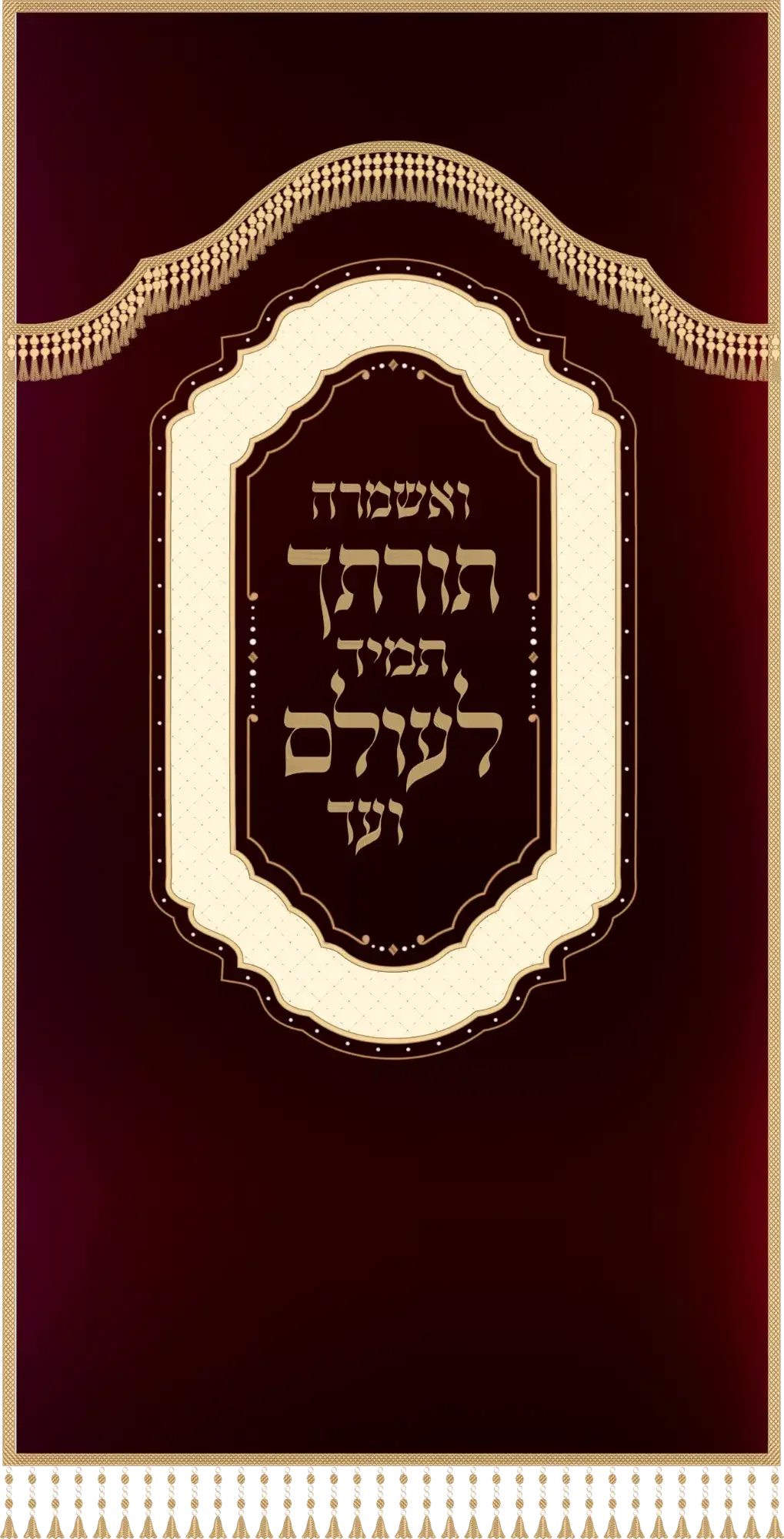
עוד מהעולם של ארגמן
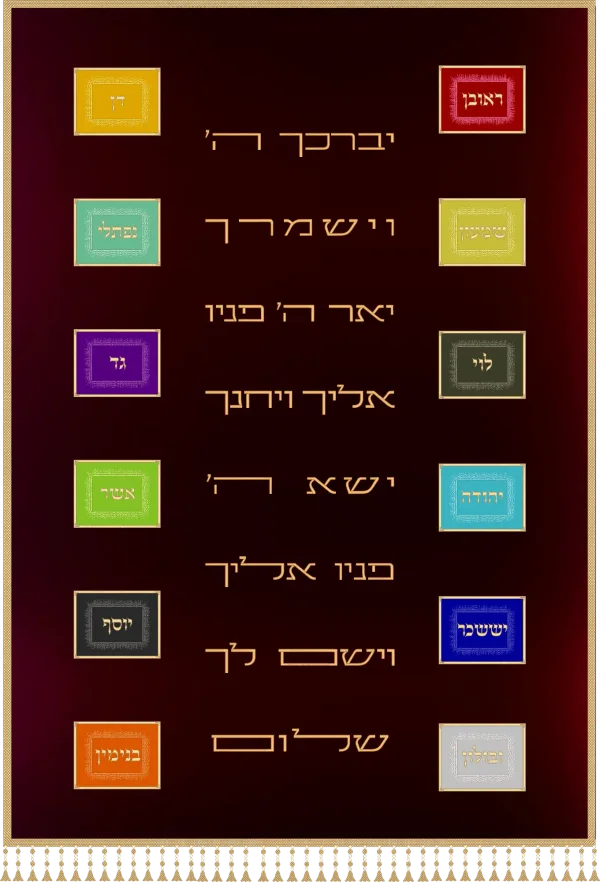
פרוכות לארון קודש
Parochet Shvatim (פרוכת שבטים): The Ark Curtain That Unites the Twelve Tribes of Israel
פרוכת שבטים curtains embroider the Twelve Tribes of Israel, bringing unity, heritage, and beauty to the synagogue's aron kodesh.
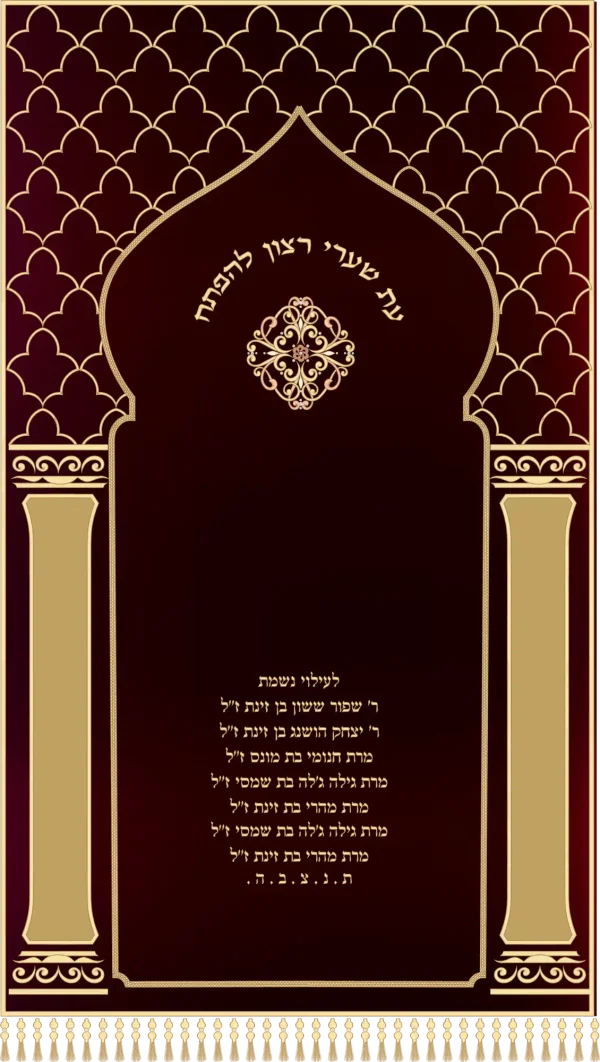
פרוכות לארון קודש
Parochet LeChagim (פרוכת לחגים): The Tradition of Festival Ark Curtains
A look at the parochet lechagim tradition - festival ark curtains that mark the Jewish holidays with fitting color and design.
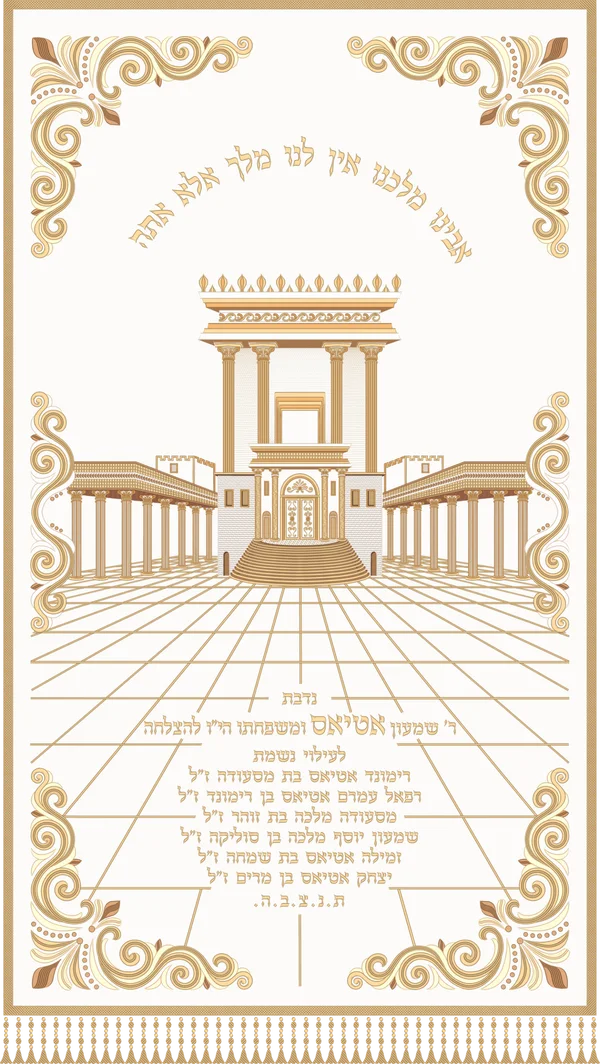
פרוכות לארון קודש
Parochet Dugma Beit HaMikdash (פרוכת דגם בית המקדש): A Guide to the Temple-Pattern Ark Curtain
Discover what a פרוכת דגם בית המקדש is, the Temple motifs it features, and how to choose the right design for your Aron Kodesh.