פרוכות לארון קודש
Opening the פרוכת: The Meaning Behind This Sacred Moment in Prayer
Discover when and why the פרוכת (ark curtain) is drawn open during prayer — from Selichot to Kol Nidre and Ne'ilah on Yom Kippur.
מערכת ארגמן · 14 באוקטובר 2026 · 5 דק׳ קריאה
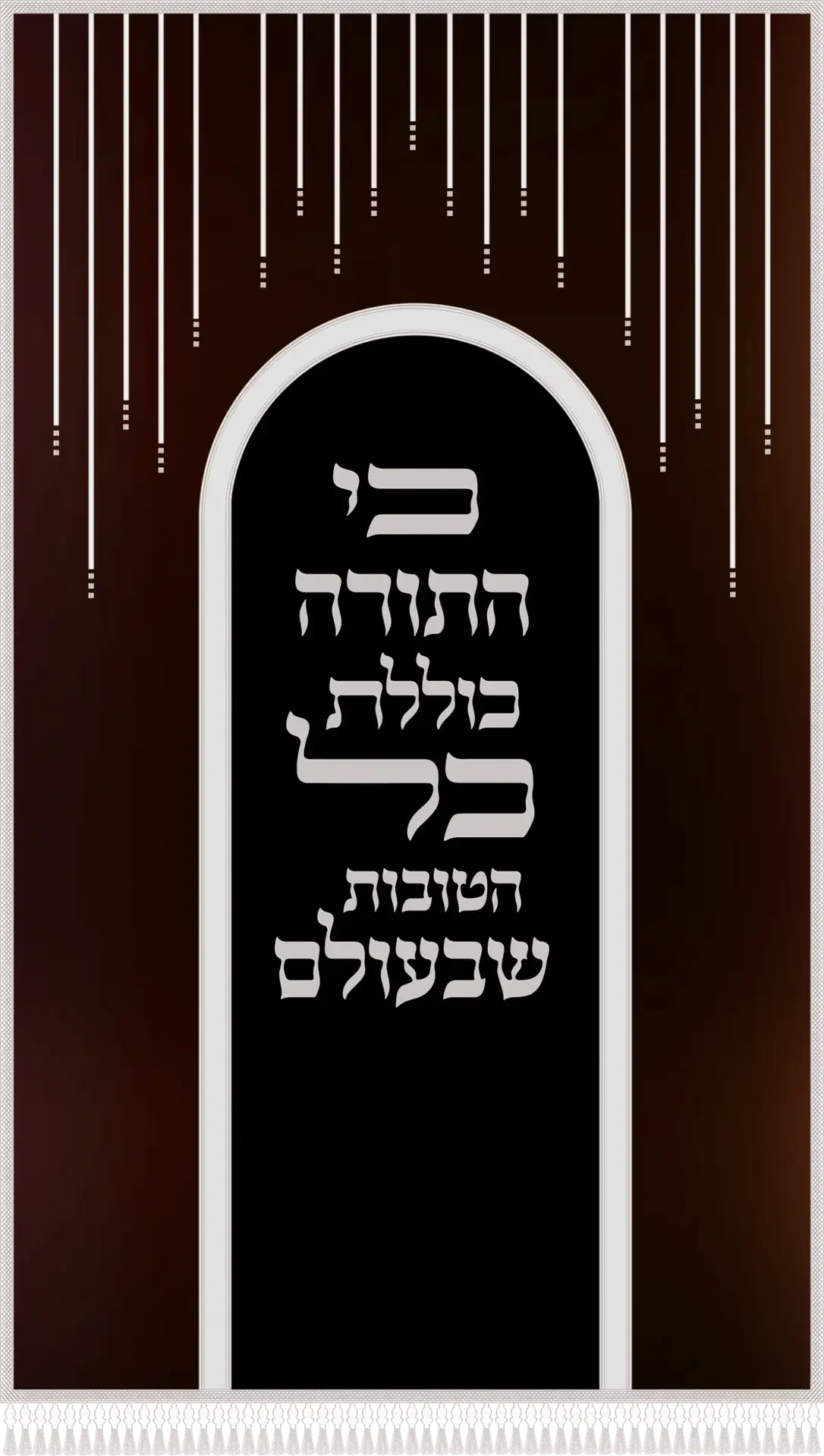
The פרוכת, the embroidered curtain that hangs before the Torah ark, is usually kept closed — but at a handful of the most emotionally charged moments in the Jewish year, from Selichot to Kol Nidre to the closing Ne'ilah service of Yom Kippur, it is drawn open for the congregation to see. This simple visual change marks some of the most powerful passages of prayer, when standing before the open ark is traditionally understood to carry special weight. Knowing when and why the curtain opens can add real depth to how these moments are experienced.
In Brief
- The פרוכת is the curtain covering the Torah ark, and in most communities it stays closed through the majority of the prayer service.
- It is customarily drawn open at select, high-intensity points such as Selichot, Kol Nidre, and the Ne'ilah service on Yom Kippur.
- Many congregants rise and remain standing while the ark is open, out of respect for the exposed Torah scrolls.
- Because the curtain is seen fully opened at these significant moments, many communities take special care in choosing one with meaningful, beautiful embroidery.
What Is the פרוכת and When Is It Opened?
The פרוכת is the hand-finished curtain — typically velvet or silk, richly embroidered with symbols such as the Tablets of the Covenant, a crown, or a menorah — that hangs in front of or inside the doors of the Torah ark. For most of the prayer day it stays closed, framing the ark rather than revealing what sits behind it. At a few key junctures in the service, the doors are opened and the curtain is drawn back, letting the congregation see the Torah scrolls directly. This change is never merely decorative: it marks a shift in the prayer itself, signaling that the words being said carry extra urgency or closeness.
Key Moments When the Ark Curtain Opens
Several occasions are widely recognized across communities as times when the ark curtain is drawn open, including the following:
- Selichot — the penitential prayers recited in the days leading up to and during the High Holidays, when the ark is opened for key supplications.
- Kol Nidre — the solemn opening declaration of Yom Kippur evening, often recited with the ark held open.
- Ne'ilah — the concluding service of Yom Kippur, whose name evokes the closing of the gates, observed in many congregations with the ark open for an extended stretch.
- Prayers in times of urgent need — in some communities, prayers for a sick individual or during communal hardship are said before an open ark.
Readers who want more background on these services can find a helpful overview of Kol Nidre and how it fits into the structure of the Yom Kippur liturgy. The table below summarizes why the curtain is opened on each occasion.
| Occasion | Why the Ark Is Opened |
|---|---|
| Selichot | Marks the heightened plea for forgiveness before the Days of Awe |
| Kol Nidre | Opens Yom Kippur with a solemn, formal declaration |
| Ne'ilah | Closes Yom Kippur at the symbolic "closing of the gates" |
| Urgent communal prayer | Expresses the immediacy of the request being made |
Customs of Standing Before an Open Ark
Standing is one of the most widely observed customs when the ark is opened — a simple, physical way of acknowledging the exposed Torah scrolls. Congregants typically remain standing until the doors are closed again, and many communities also lower their voices or pause conversation during this time. Because customs vary between Ashkenazi, Sephardi, and other communities, it is always worth checking with a local rabbi or sexton about the specific practice followed in a given synagogue. For a closer look at the range of embroidery styles used on these curtains, our gallery of parochot shows how communities bring different traditions to the same sacred purpose.
Choosing an Ark Curtain Worthy of These Moments
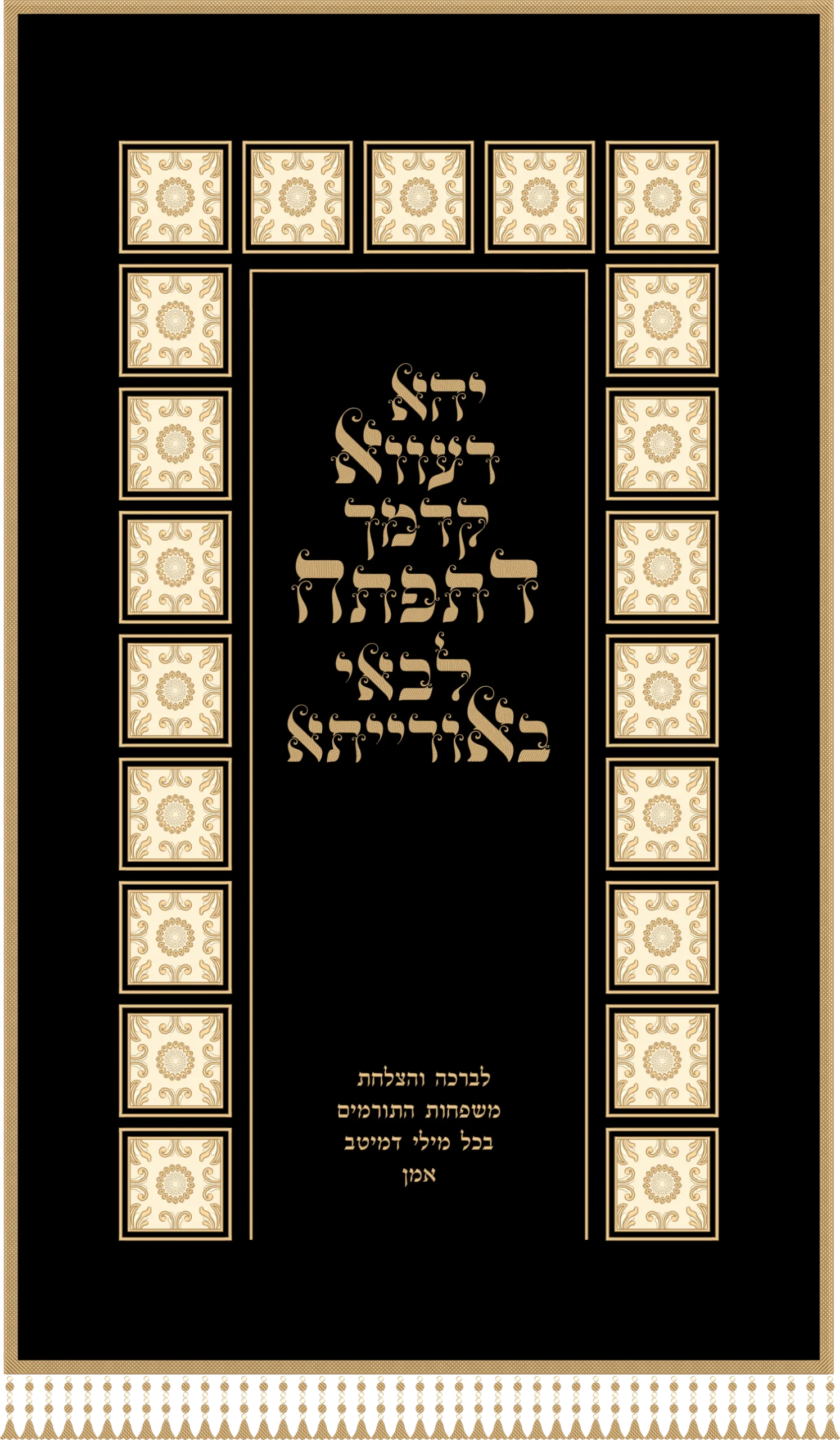
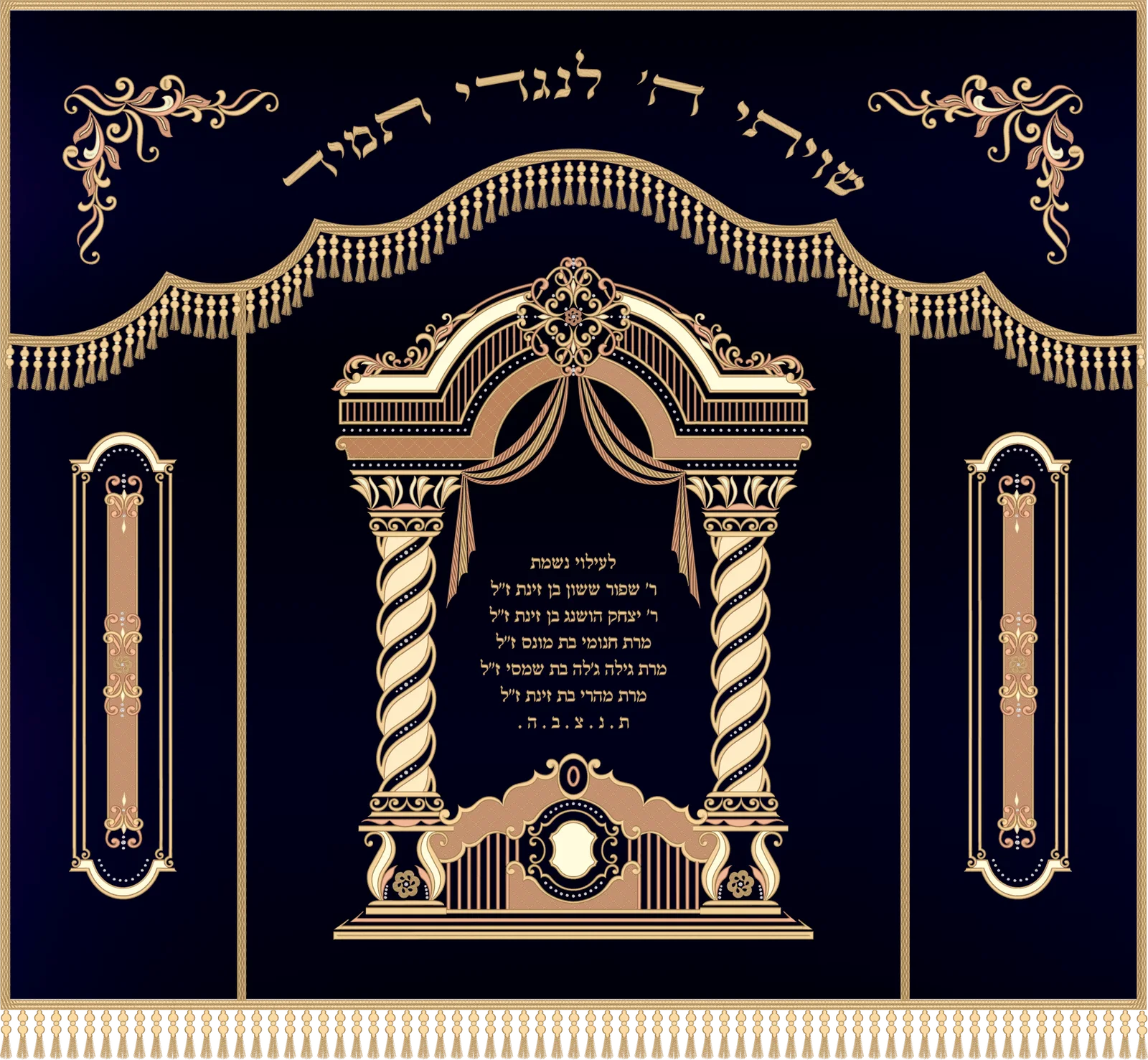
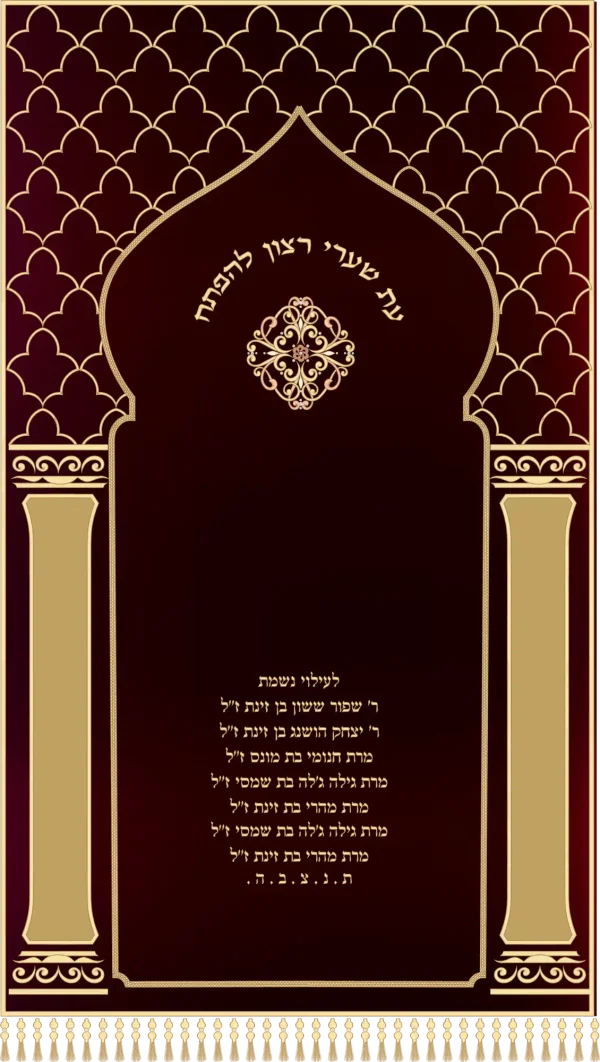
A parochet's design matters most precisely at these moments, because the curtain is seen fully open by the whole congregation during the year's most charged prayers. Many synagogues choose a פרוכת whose imagery echoes the occasion itself — a curtain built around the theme of gates, for instance, speaks directly to services like Selichot and Ne'ilah, which revolve around the idea of gates of prayer and judgment. Hichala (היכלא) hand-embroiders pieces such as the Gateway to the Heavens parochet and the A Time of Favor's Gates parochet, both drawing on this imagery to echo exactly the moments described above.
Frequently Asked Questions
Is the ark curtain opened during every prayer service?
No — the פרוכת generally stays closed, and it is opened only at specific high points such as Selichot, Kol Nidre, and Ne'ilah.
Why do people stand when the ark is open?
Standing is a widely practiced sign of respect toward the exposed Torah scrolls, though the exact custom can vary by community and is best confirmed with a local rabbi.
Does the embroidery design matter if the curtain is rarely seen fully open?
Yes — because the curtain is visible to the entire congregation precisely during these emotionally significant moments, many communities choose a finely embroidered design that matches the weight of the occasion.
Whether closed through the year or drawn open on the holiest nights, the פרוכת remains one of the most quietly powerful elements of synagogue life — a curtain that, in its opening and closing, mirrors the rhythm of the prayers it frames.
You may also like
עוד מהעולם של ארגמן
פרוכות לארון קודש
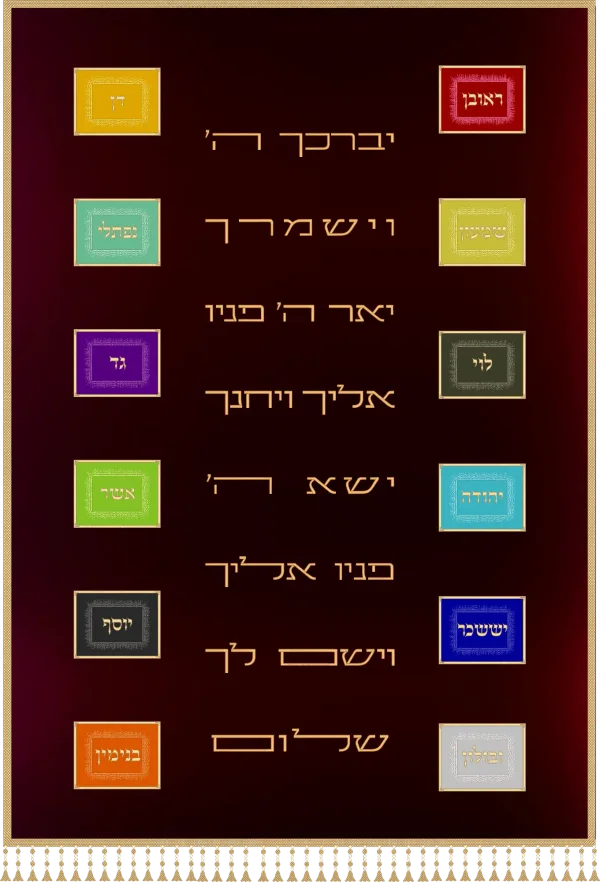
Parochet Shvatim (פרוכת שבטים): The Ark Curtain That Unites the Twelve Tribes of Israel
פרוכת שבטים curtains embroider the Twelve Tribes of Israel, bringing unity, heritage, and beauty to the synagogue's aron kodesh.
פרוכות לארון קודש
Parochet LeChagim (פרוכת לחגים): The Tradition of Festival Ark Curtains
A look at the parochet lechagim tradition - festival ark curtains that mark the Jewish holidays with fitting color and design.
פרוכות לארון קודש
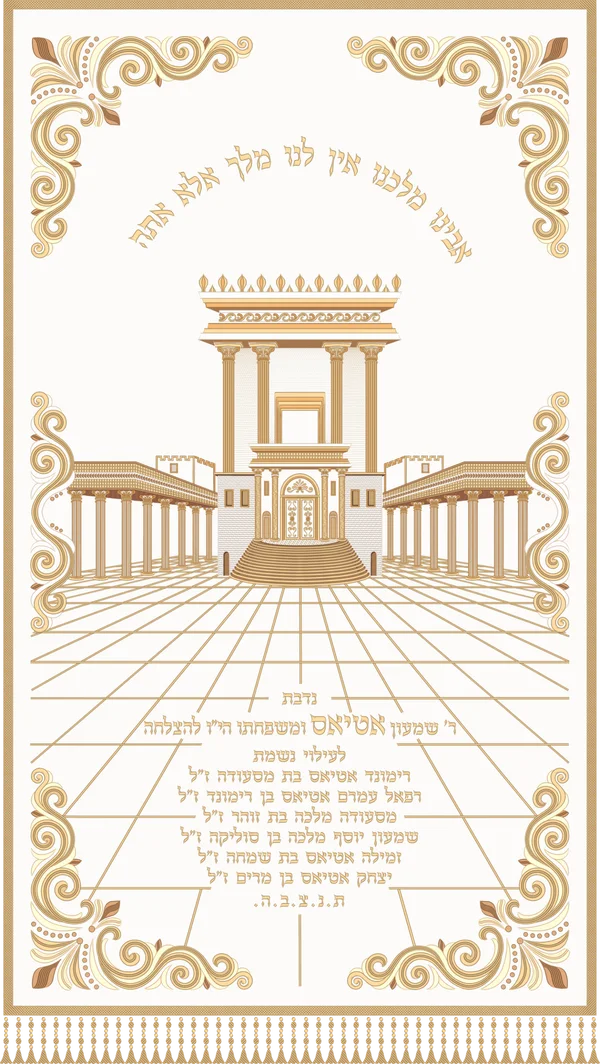
Parochet Dugma Beit HaMikdash (פרוכת דגם בית המקדש): A Guide to the Temple-Pattern Ark Curtain
Discover what a פרוכת דגם בית המקדש is, the Temple motifs it features, and how to choose the right design for your Aron Kodesh.