פרוכות לארון קודש
Bimah LeBeit Knesset (בימה לבית כנסת): A Design and Placement Guide for the Synagogue Platform
Discover what a בימה לבית כנסת is, where it stands in the sanctuary, and how its design can echo the Aron Kodesh beside it.
מערכת ארגמן · 15 באוקטובר 2026 · 4 דק׳ קריאה
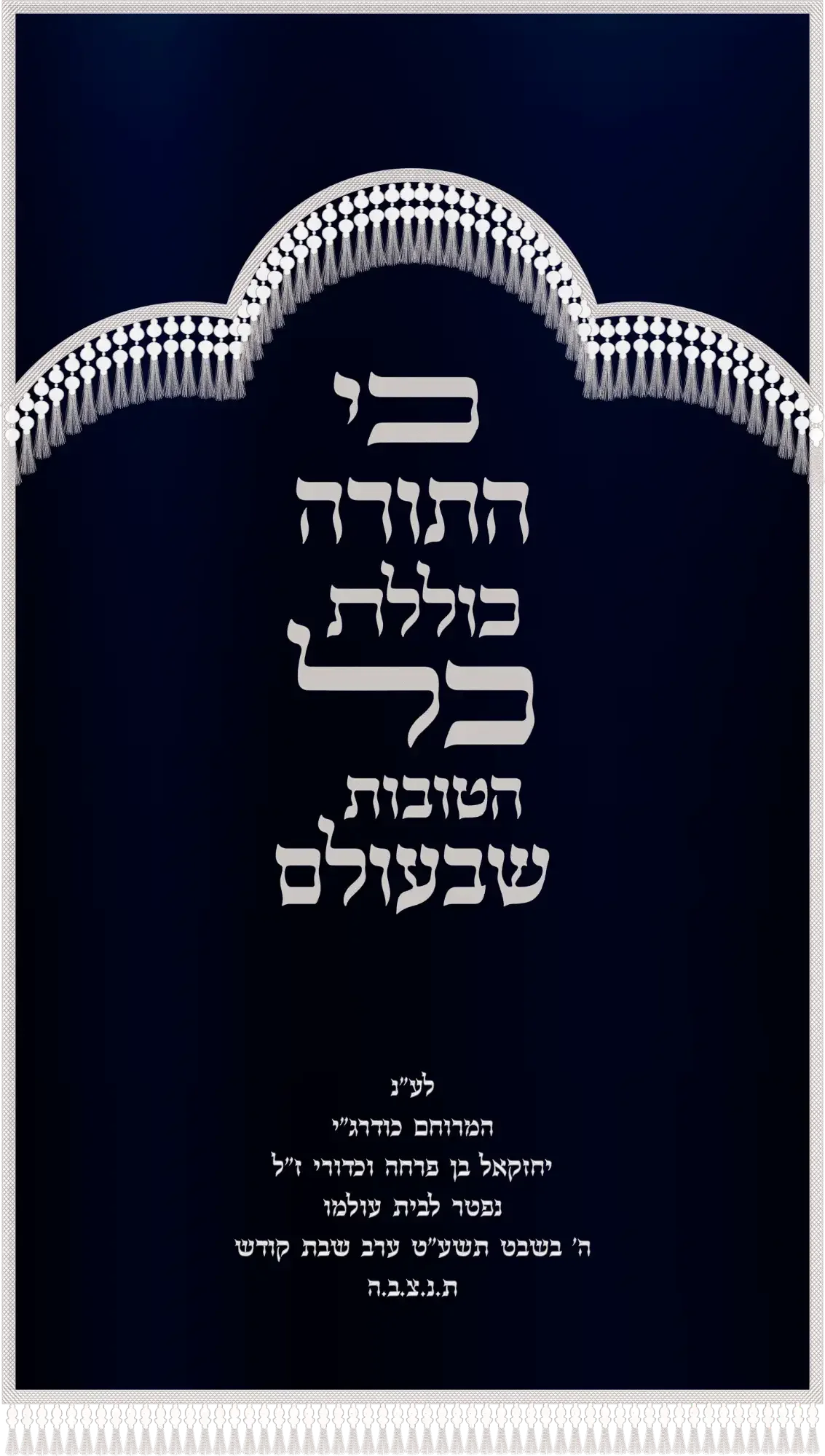
A בימה לבית כנסת is the raised, railed platform set within a synagogue from which the Torah scroll is read aloud and the prayer service is often led. Found in sanctuaries across every community and tradition, it anchors the physical and spiritual flow of a service, letting the congregation see and hear the reading clearly. Its placement and design also shape how the room relates to the Aron Kodesh, the ark that holds the Torah scrolls.
In brief
- A בימה לבית כנסת is the elevated platform, usually fitted with a reading table, where the Torah is read during services.
- Its location differs by custom – many traditional layouts place it at the center of the room, while others set it nearer the ark.
- The bimah is commonly built from carved wood or stone, and its finishes are often coordinated with the ark's woodwork and textiles.
- Planning a bimah well means balancing sightlines, acoustics, safe access, and visual harmony with the rest of the sanctuary.
What a בימה לבית כנסת Is and Why It Matters
A בימה לבית כנסת is, at its simplest, an elevated stage built so the Torah reader and service leader can be seen and heard by everyone present. Raising the reader above floor level is not a modern convenience – it reflects a long-standing instinct that public Torah reading deserves a dedicated, dignified space of its own. The platform typically holds a reading table, or shulchan, sized to support an open Torah scroll, along with steps and a railing that allow safe, unhurried movement during the service.
Where the Bimah Stands: Customs Across Communities
The location of a בימה לבית כנסת has varied across history and community. In many historic European and Sephardic synagogues, the bimah stood at the very center of the room, with seating arranged around it so the Torah reading took place in the midst of the congregation. In other layouts, especially many modern sanctuaries, the bimah sits closer to the front, near the Aron Kodesh. Both approaches carry long precedent, and readers curious about the background can explore My Jewish Learning's overview of the bimah for more detail.
Bimah Design, Materials, and Its Relationship to the Aron Kodesh
A well-planned bimah is rarely chosen in isolation. Most communities want it to feel like part of one unified sanctuary, in conversation with the ark rather than competing with it. The table below lays out common elements many congregations weigh when planning this part of the room.
| Element | Common Materials | Design Consideration |
|---|---|---|
| Platform and railing | Carved wood, stone, or marble | Often echoes the Aron Kodesh's woodwork for visual harmony |
| Reading table (shulchan) | Solid wood, sometimes with metal fittings | Sized to hold an open Torah scroll securely |
| Steps and height | Wood or stone stairs | Should allow safe, dignified ascent for readers of every age |
| Textile accents | Embroidered cloth or fabric matching the parochet | Frequently coordinated with the ark curtain's color and motifs |
Planning a Bimah: Steps Many Congregations Follow
- Decide on placement relative to the Aron Kodesh and the seating, weighing both custom and sightlines.
- Choose durable materials able to withstand years of foot traffic and regular use.
- Coordinate colors, carving, and fabric motifs with the textiles already present in the sanctuary.
- Confirm the steps, railing, and table height are safe and comfortable for the people who will use them.
Dressing the Bimah Area to Match the Aron Kodesh
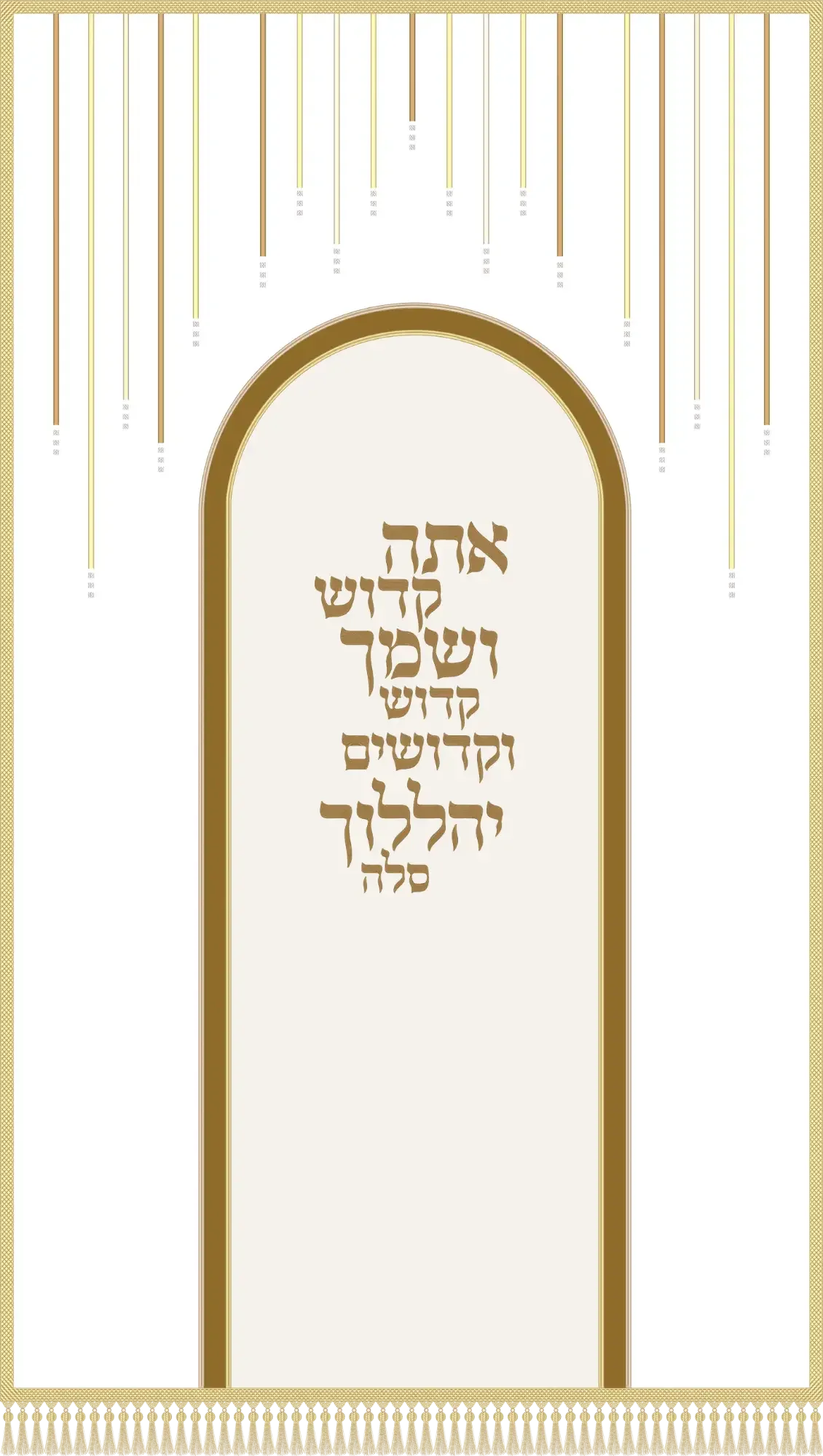
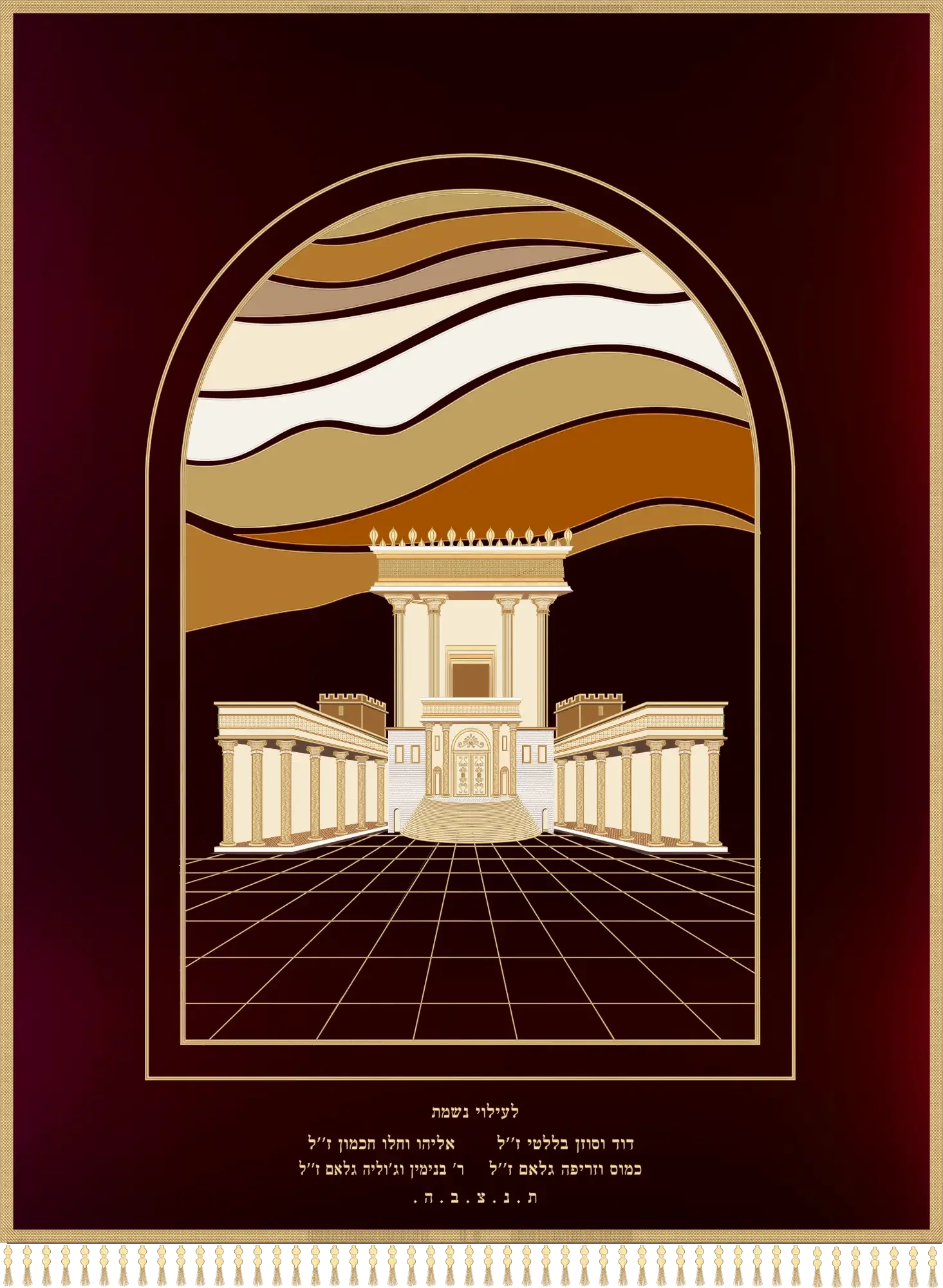
Many communities like the בימה לבית כנסת area to feel visually connected to the ark it faces, rather than like two unrelated structures sharing a room. A hand-embroidered parochet on the Aron Kodesh, paired with complementary coverings nearby, can tie the whole sanctuary together. At Hichala (היכלא), embroidered curtains such as the Luxury Holy Temple Parochet or the Square Frame Curtain are often chosen for exactly this kind of coordinated look, and congregations exploring options can browse our gallery of parochot for further inspiration.
Frequently Asked Questions
Where is the bimah usually located in a synagogue?
Placement varies by community: many traditional sanctuaries set the bimah at the center of the room, while others, especially some modern layouts, place it nearer the front, close to the Aron Kodesh.
Is the bimah the same as the Aron Kodesh?
No. The Aron Kodesh is the ark that houses the Torah scrolls, while the bimah is the raised platform where the scroll is read and the service is often led.
What is placed on the bimah during a service?
The bimah typically holds a reading table, or shulchan, on which the open Torah scroll rests while it is chanted, along with any items the reader needs during the service.
Whether centered in the room or set beside the ark, a thoughtfully planned בימה לבית כנסת brings dignity and clarity to the public reading of the Torah. When its materials and textiles speak the same visual language as the Aron Kodesh beside it, the whole sanctuary feels like one considered, harmonious space.

עוד מהעולם של ארגמן
פרוכות לארון קודש
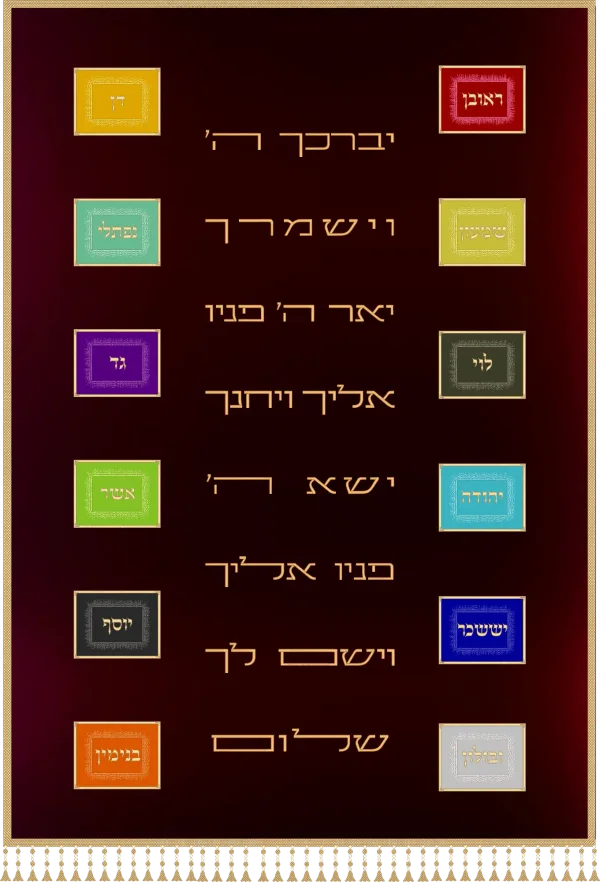
Parochet Shvatim (פרוכת שבטים): The Ark Curtain That Unites the Twelve Tribes of Israel
פרוכת שבטים curtains embroider the Twelve Tribes of Israel, bringing unity, heritage, and beauty to the synagogue's aron kodesh.
פרוכות לארון קודש
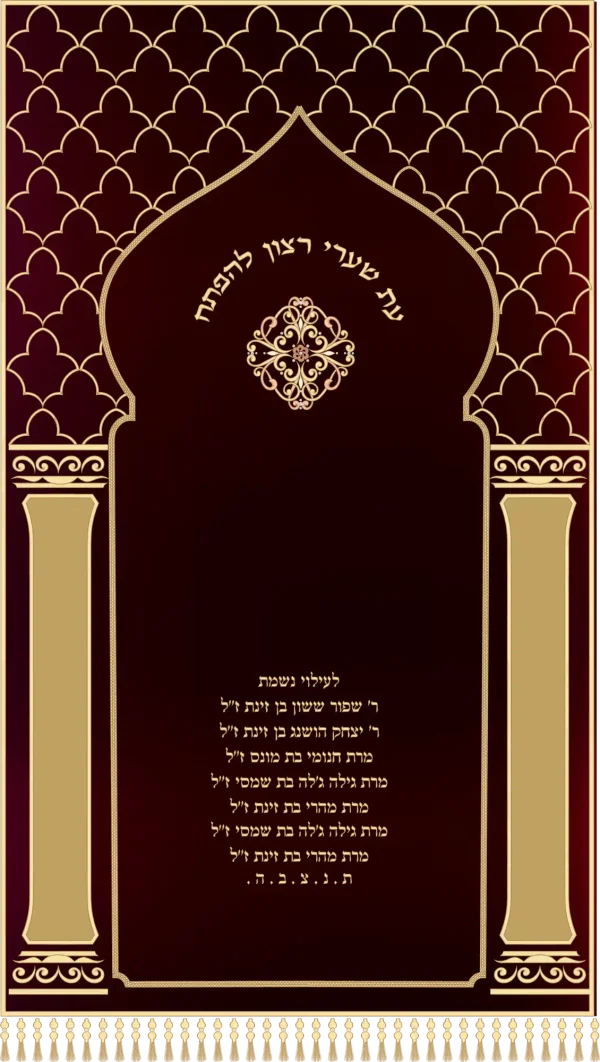
Parochet LeChagim (פרוכת לחגים): The Tradition of Festival Ark Curtains
A look at the parochet lechagim tradition - festival ark curtains that mark the Jewish holidays with fitting color and design.
פרוכות לארון קודש
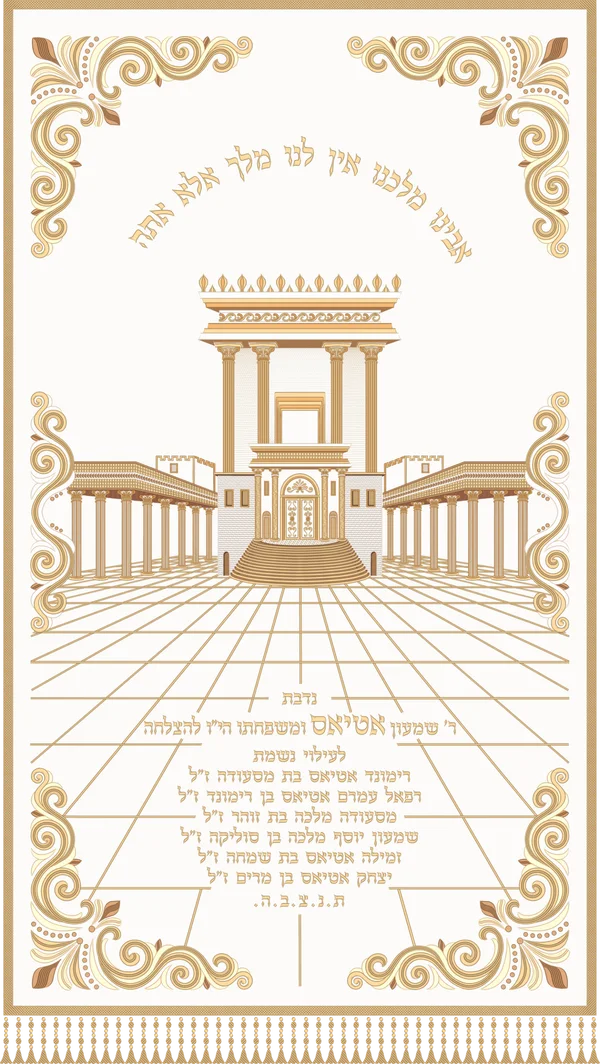
Parochet Dugma Beit HaMikdash (פרוכת דגם בית המקדש): A Guide to the Temple-Pattern Ark Curtain
Discover what a פרוכת דגם בית המקדש is, the Temple motifs it features, and how to choose the right design for your Aron Kodesh.