פרוכות לארון קודש
Bimah for Synagogue (במה לבית כנסת): How This Platform Shapes Communal Celebration
A Bimah for Synagogue (במה לבית כנסת) is the platform where the Torah is read - explore its customs, moments, and thoughtful furnishing.
מערכת ארגמן · 9 בנובמבר 2026 · 6 דק׳ קריאה
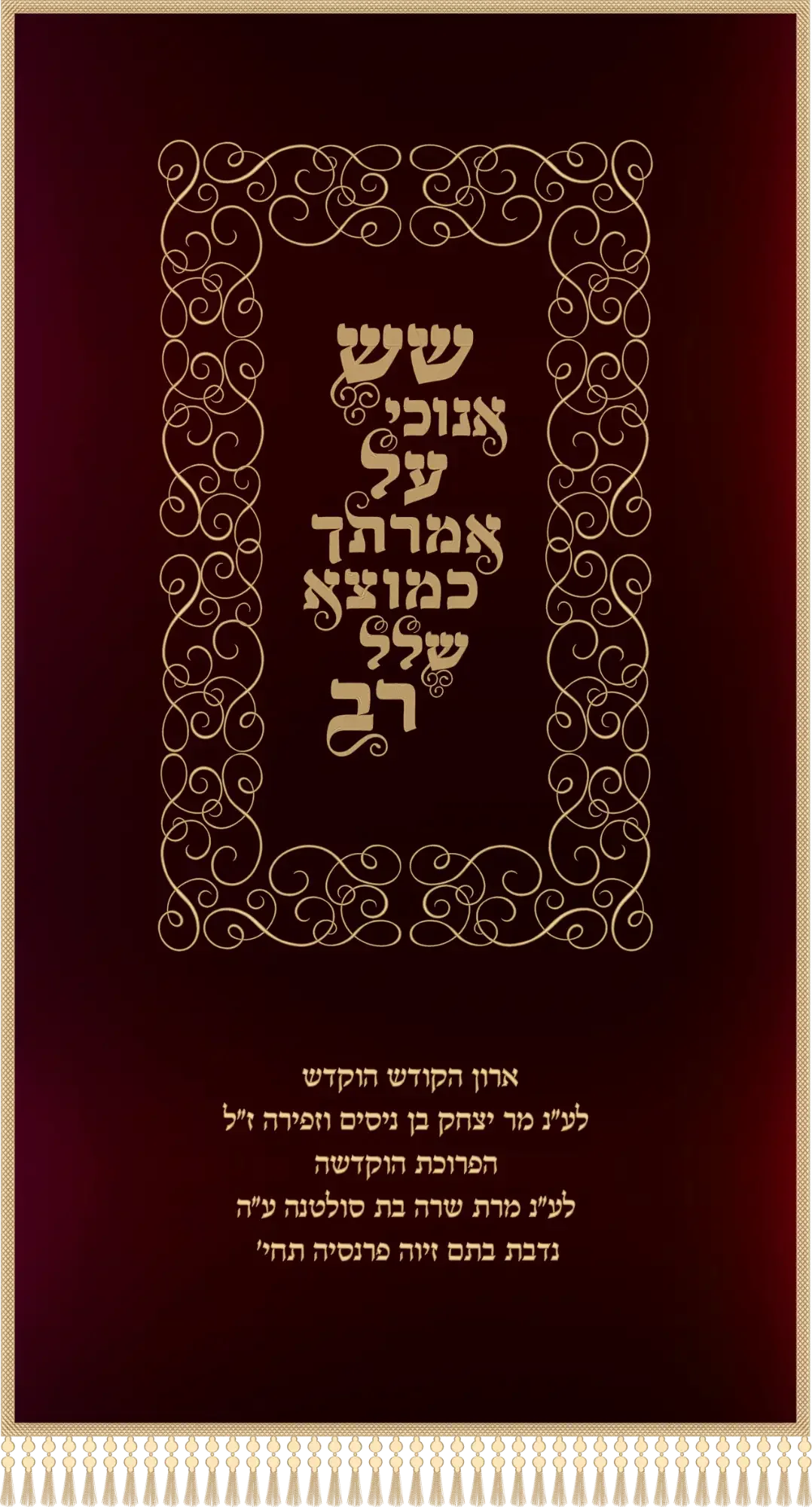
A Bimah for Synagogue (במה לבית כנסת) is the raised platform from which the Torah is read aloud and from which many of a congregation's most meaningful moments unfold. It serves as the focal point where the room's attention gathers during prayer, giving structure and dignity to the public Torah reading and to the life-cycle milestones marked within the sanctuary.
In brief
- A Bimah for Synagogue (במה לבית כנסת) is the elevated reading platform used for the public Torah reading and related prayers.
- Its placement varies by community tradition, with some congregations positioning it at the center of the room and others closer to the Aron Kodesh.
- Beyond the weekly Torah reading, the bimah hosts milestones such as a Bar or Bat Mitzvah call-up, Megillah reading on Purim, and the hakafot of Simchat Torah.
- Furnishing the bimah with care – its railing, its reading-table cover, its lighting – reflects the same spirit of honor given to the Aron Kodesh and its parochet.
What Is a Bimah for Synagogue (במה לבית כנסת), and What Happens There?
A bimah is, at its simplest, a raised stand or platform holding the table on which the Torah scroll rests while it is read. Lifting the platform lets the reader's voice carry and lets the congregation see the scroll as it is raised, unrolled, and read – a practical function that became, over centuries of communal life, a carrier of real symbolic weight. Standing apart from, yet in constant dialogue with, the Aron Kodesh at the front of the room, this platform is where the written word of the Torah becomes a spoken, shared experience for everyone present.
Where the Bimah Stands in Relation to the Aron Kodesh
The relationship between the bimah and the Aron Kodesh is one of the clearest expressions of a community's layout and custom. In many Ashkenazi congregations the bimah sits toward the center of the sanctuary, so the Torah is carried down the aisle before and after it is read. In many Sephardic and Mizrahi congregations, as well as a number of Hasidic communities, the bimah stands closer to the front, nearer the ark itself. Neither arrangement is more correct than the other; both reflect long-standing custom rather than fixed law, and a visitor will notice the difference the moment they step into an unfamiliar shul.
| Community Tradition | Typical Bimah Placement | Common Rationale |
|---|---|---|
| Many Ashkenazi congregations | Center of the sanctuary | Allows the Torah procession to pass through the congregation |
| Many Sephardic and Mizrahi congregations | Near the front, close to the ark | Keeps the Torah reading visually close to the Aron Kodesh |
| Many Hasidic congregations | Front or center, varies by community | Follows the specific custom of the founding community |
The Moments a Bimah for Synagogue Hosts
A Bimah for Synagogue (במה לבית כנסת) is rarely quiet for long, since it anchors so many of the moments a congregation marks together:
- The weekly public reading of the Torah on Shabbat, festivals, and other designated days.
- A Bar or Bat Mitzvah's first call-up to be honored at the Torah reading.
- The reading of the Megillah on Purim and other scrolls tied to specific holidays.
- The hakafot of Simchat Torah, when the scrolls are carried and celebrated near the bimah.
- Sermons and communal announcements delivered from the front of the room.
Each of these moments draws every eye in the room toward one spot, which is part of why the bimah's dignity matters as much as its function.
Furnishing the Bimah with Dignity
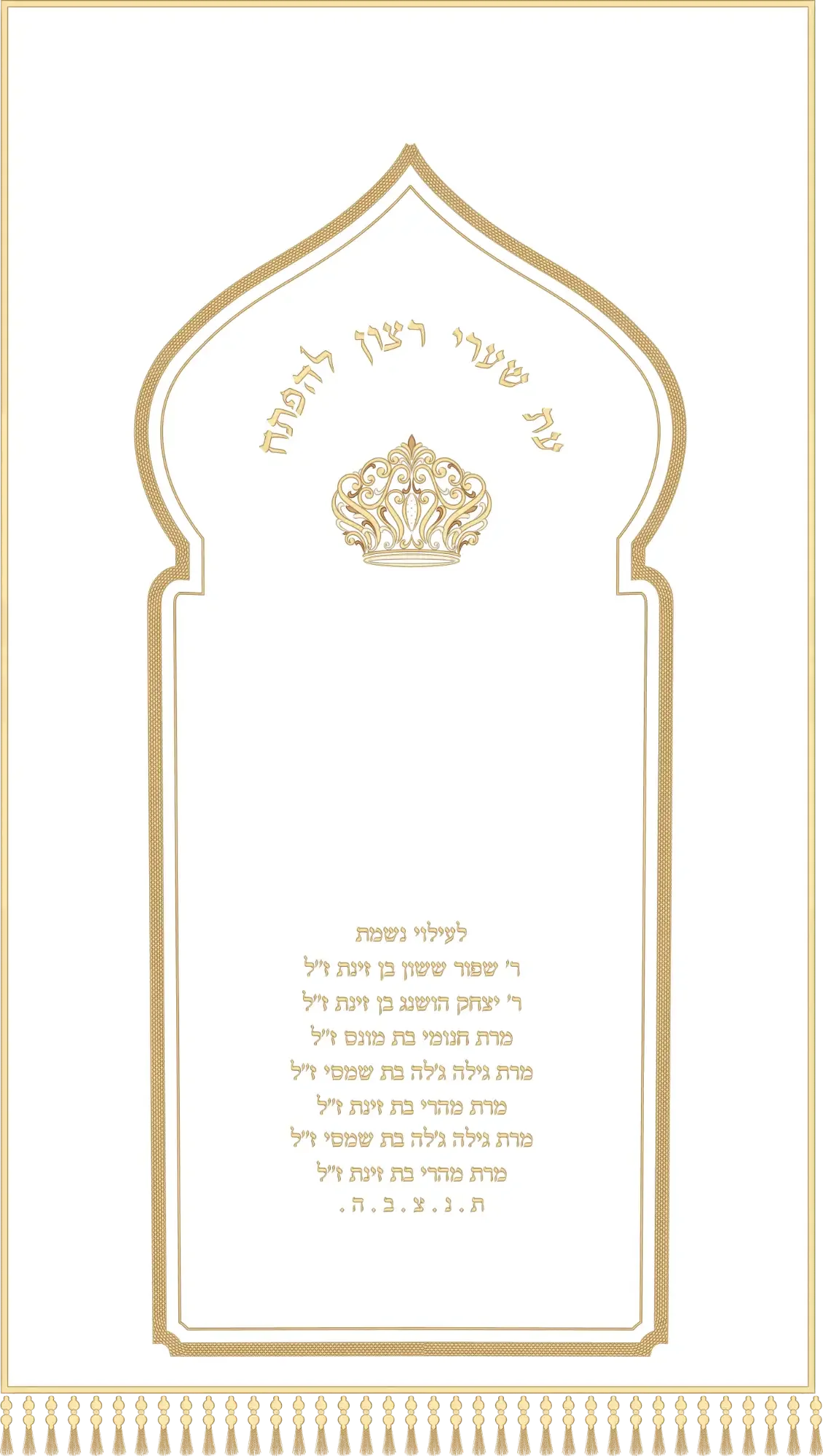
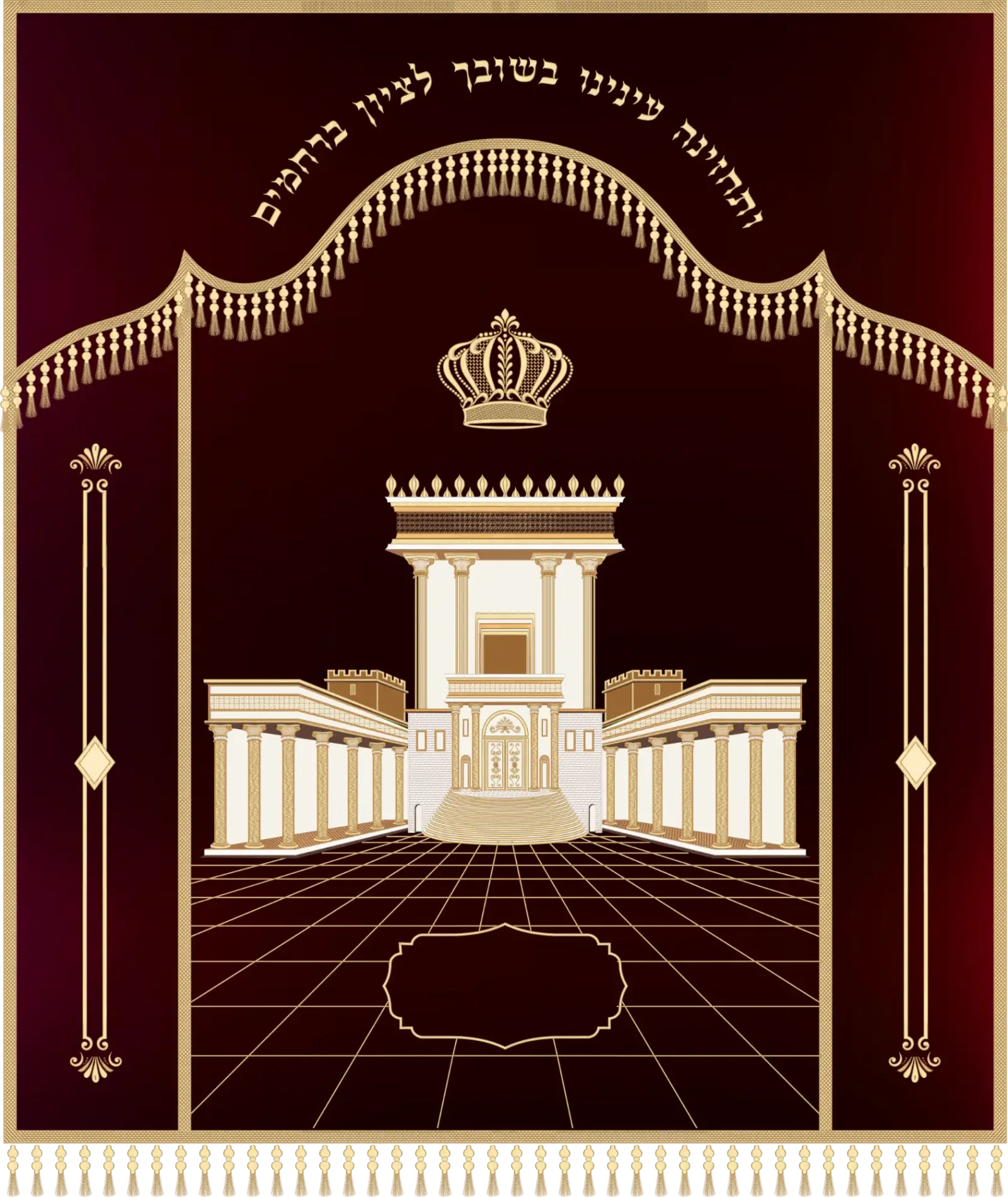
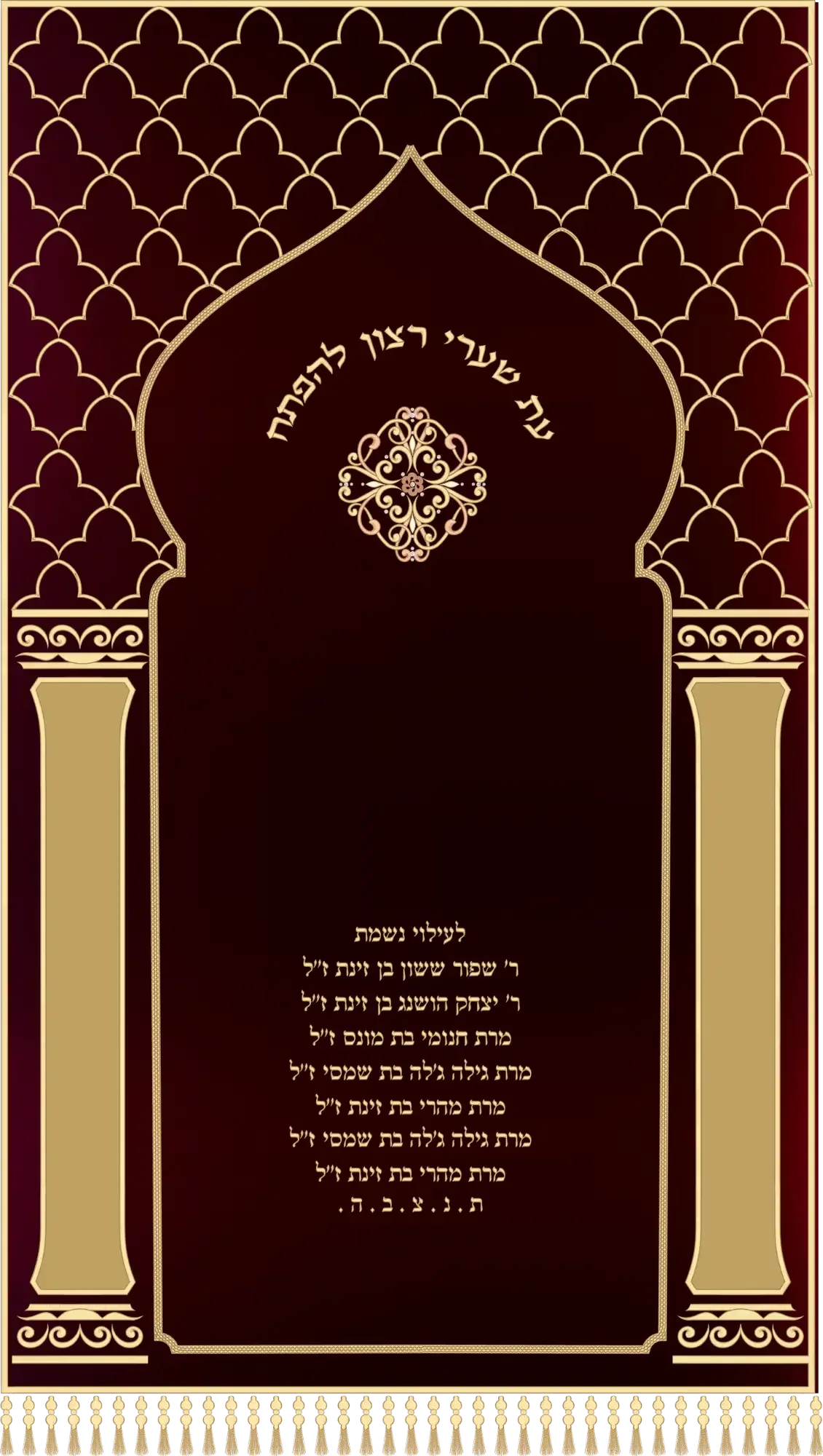
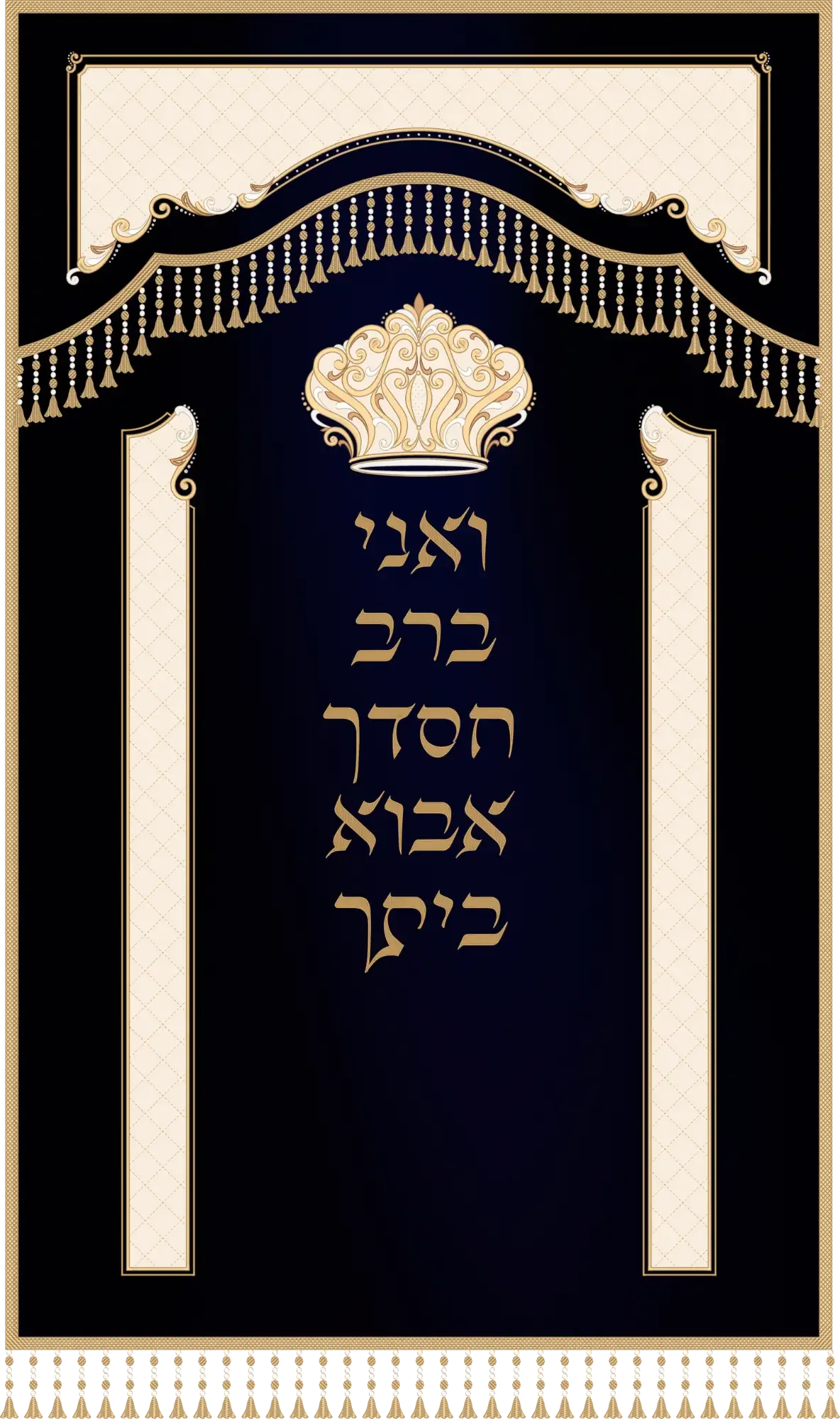
Furnishing a Bimah for Synagogue (במה לבית כנסת) thoughtfully is one of the quieter ways a congregation honors the Torah reading. A simple cloth covering the reading table, a secure railing for the reader's comfort, and good lighting over the text are small details that add up to a room that feels cared for. Many of the same considerations that shape how a community chooses a parochet for the Aron Kodesh – fabric, color, and the way light plays against embroidery – apply just as well to the textiles used near the bimah, so the whole front of the sanctuary reads as one unified picture rather than a patchwork of mismatched pieces. Congregations working with Hichala (היכלא) on hand-embroidered ark curtains often think through this kind of visual harmony at the same time, since the bimah and the Aron Kodesh are seen together in a single glance from every seat in the room.
If you are planning or refreshing this part of your sanctuary, it helps to look at a range of styles before deciding; browsing our gallery of parochot alongside photos of bimah designs from other congregations often clarifies what will actually suit your own room.
Customs Worth Learning Before You Decide
A Bimah for Synagogue (במה לבית כנסת) is shaped by centuries of custom around its placement and use, and it is worth exploring some of that background rather than relying on habit alone. The history of the bema in Jewish worship stretches back to the public Torah readings described in the book of Nehemiah, long before the word took its modern form. Reading further about the development of the public Torah reading cycle also helps explain why this platform became such a fixed and honored part of synagogue life.
Frequently Asked Questions
Is a Bimah for Synagogue the same as an Aron Kodesh?
No – the Aron Kodesh is the ark that houses the Torah scrolls, while the bimah is the separate platform from which a scroll is read once it has been taken out of the ark.
Why do some synagogues place the bimah in the center of the room?
Centering the bimah lets the Torah be carried through the congregation during the procession before and after the reading, a custom especially common in many Ashkenazi communities, though it varies by congregation.
What is typically placed on or near the bimah?
Most bimahs hold a reading table with a protective cover, a railing or stand for the reader, and lighting sufficient for an accurate reading of the Torah's text.
Conclusion
However a congregation chooses to position and furnish it, a Bimah for Synagogue (במה לבית כנסת) remains one of the quiet anchors of communal Jewish life – the spot where the Torah is heard aloud and where personal milestones meet the whole community's attention. Giving thought to its placement, its furnishings, and the way it relates visually to the Aron Kodesh is a meaningful way to honor both the room and the moments that happen within it.

עוד מהעולם של ארגמן
פרוכות לארון קודש
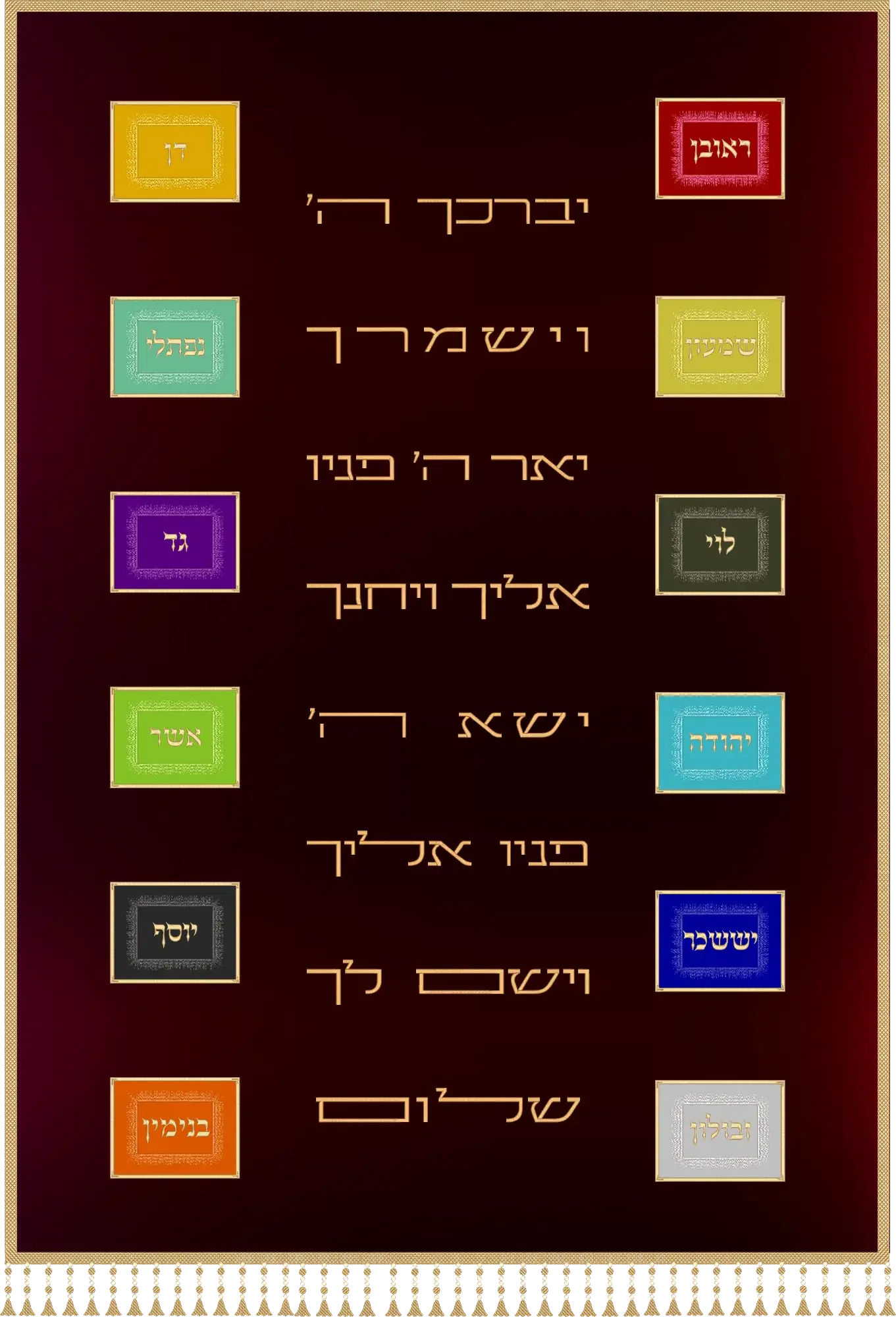
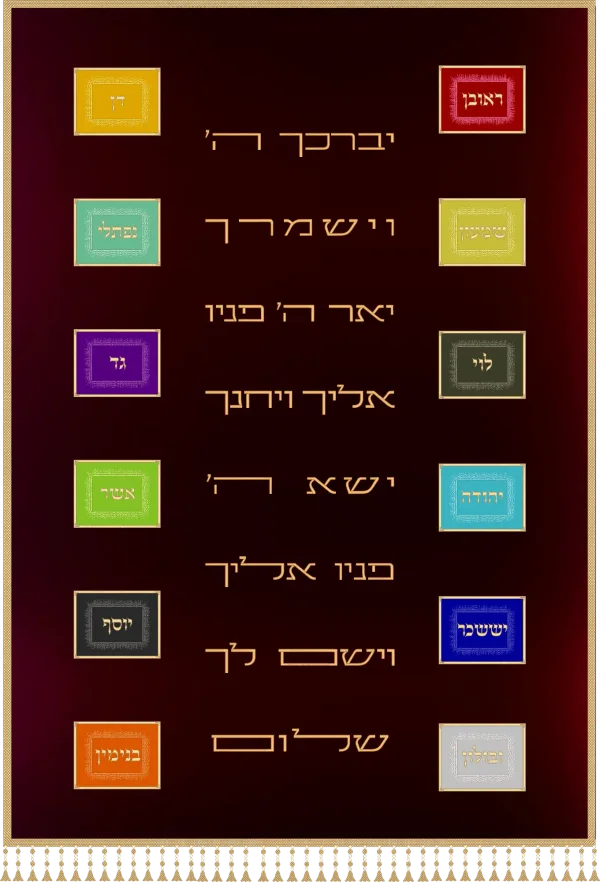
Parochet Shvatim (פרוכת שבטים): The Ark Curtain That Unites the Twelve Tribes of Israel
פרוכת שבטים curtains embroider the Twelve Tribes of Israel, bringing unity, heritage, and beauty to the synagogue's aron kodesh.
פרוכות לארון קודש
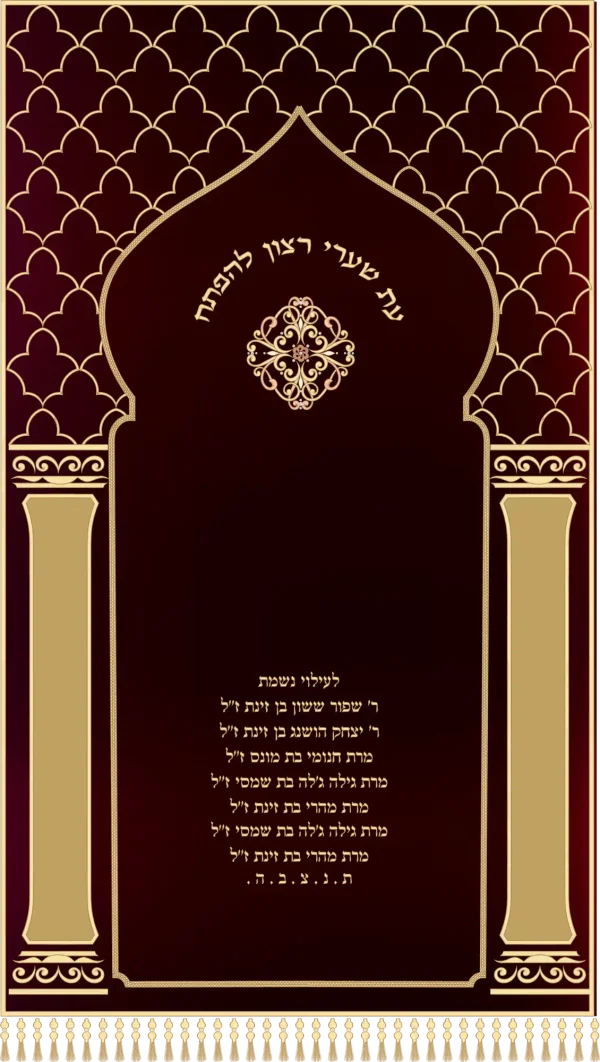
Parochet LeChagim (פרוכת לחגים): The Tradition of Festival Ark Curtains
A look at the parochet lechagim tradition - festival ark curtains that mark the Jewish holidays with fitting color and design.
פרוכות לארון קודש
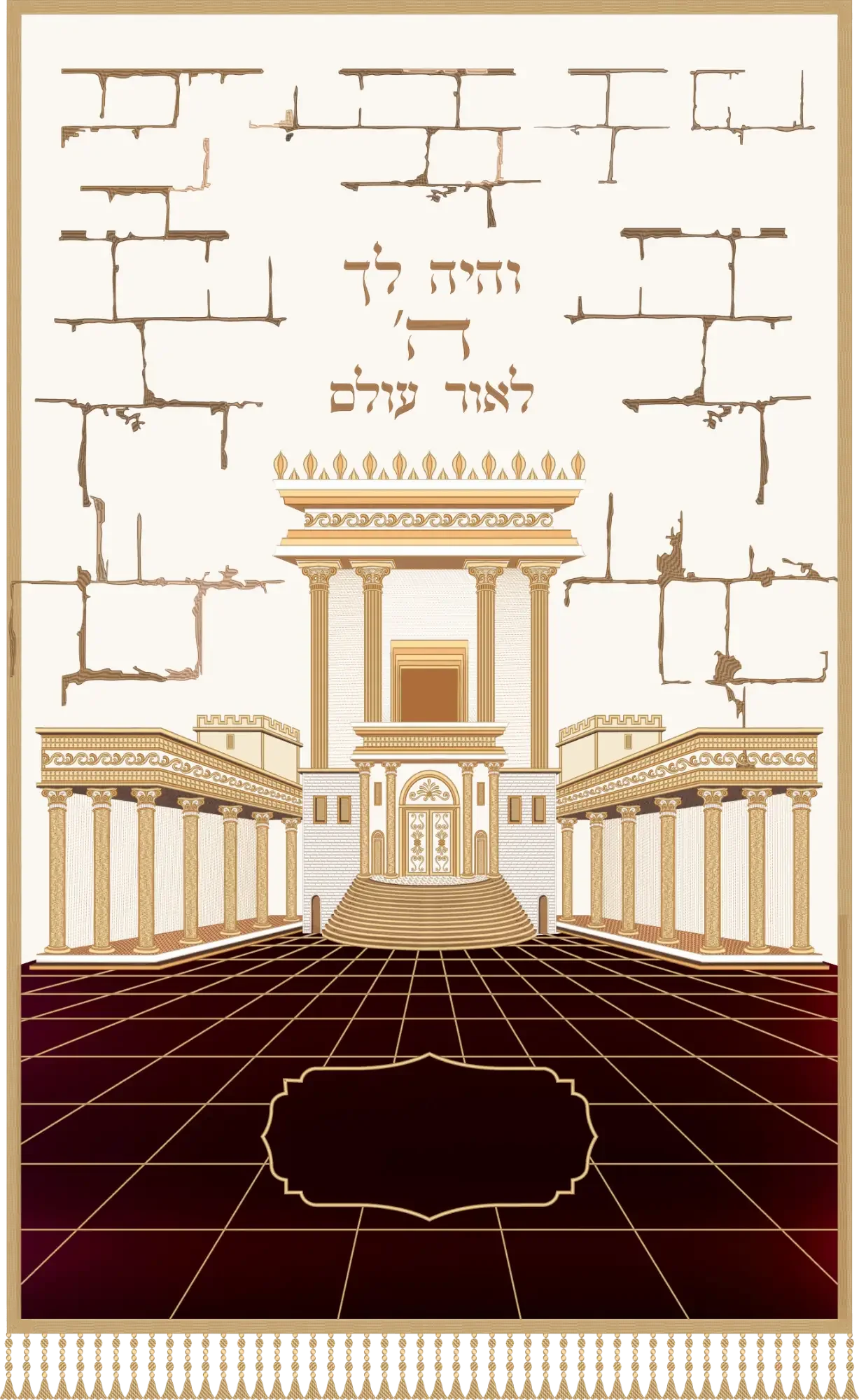
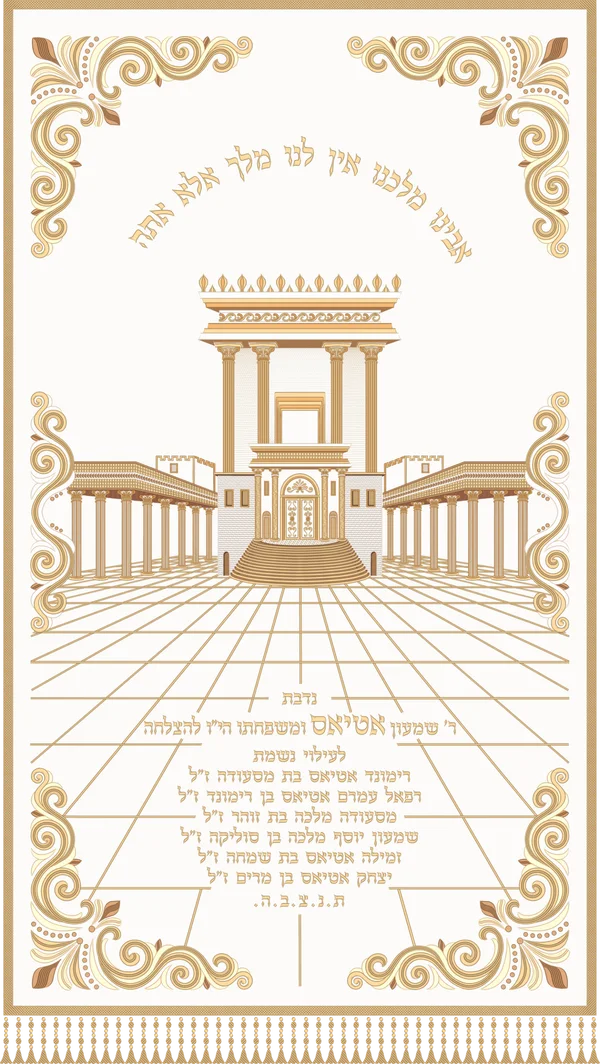
Parochet Dugma Beit HaMikdash (פרוכת דגם בית המקדש): A Guide to the Temple-Pattern Ark Curtain
Discover what a פרוכת דגם בית המקדש is, the Temple motifs it features, and how to choose the right design for your Aron Kodesh.