פרוכות לארון קודש
Kishutim LeSefer Torah (קישוטים לספר תורה): The Decorations That Honor the Torah Scroll
A guide to קישוטים לספר תורה — the crowns, breastplates, pointers and mantles that beautify and honor the Torah scroll.
מערכת ארגמן · 8 בנובמבר 2026 · 5 דק׳ קריאה
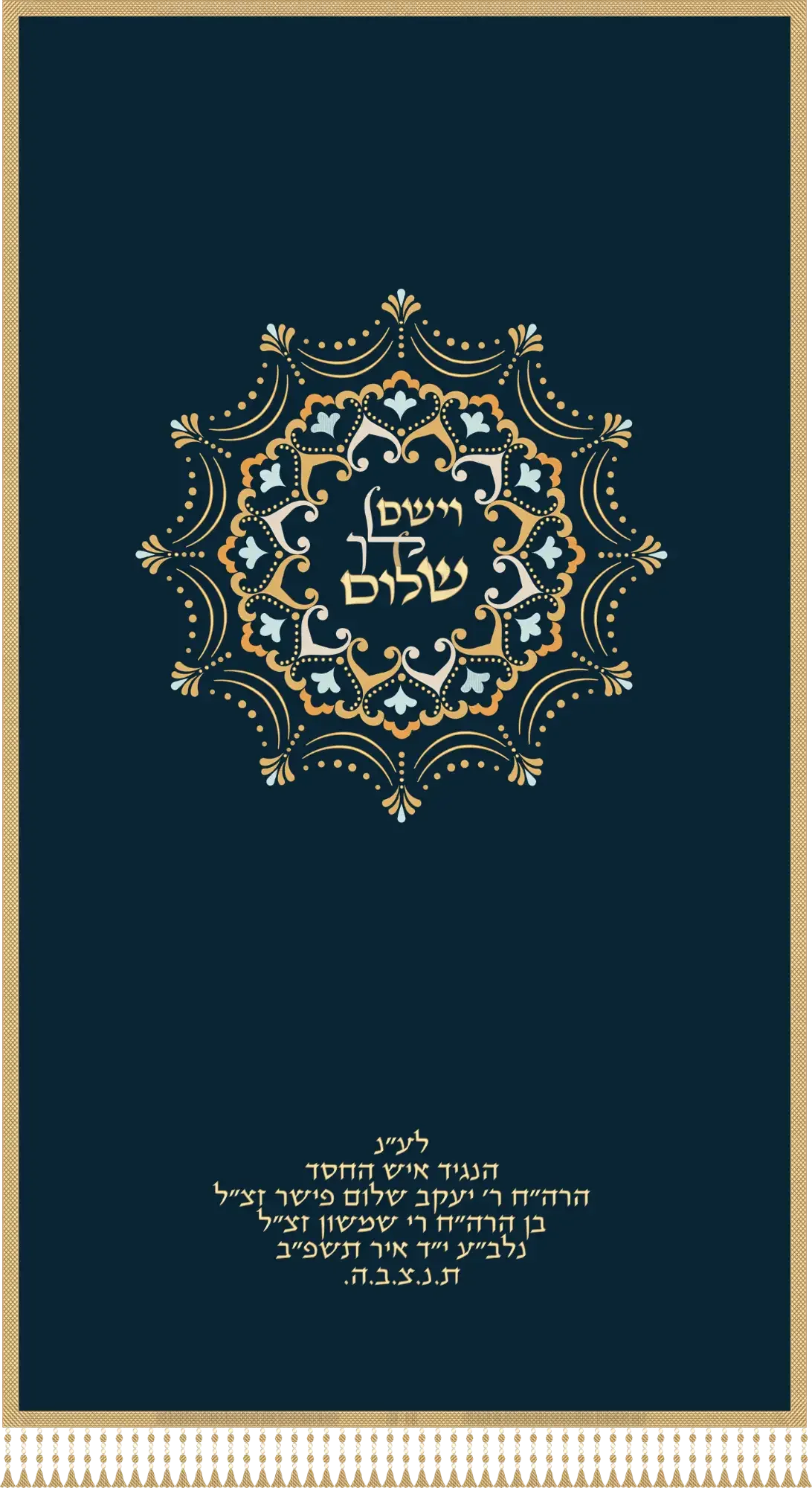
Kishutim LeSefer Torah (קישוטים לספר תורה) are the decorative elements — crowns, breastplates, pointers, and richly embroidered mantles — that have adorned the Torah scroll in Jewish communities for centuries. These decorations exist to fulfill the tradition of hiddur mitzvah, beautifying a sacred object beyond its basic function. Far from mere ornamentation, each piece carries symbolic meaning and reflects a congregation's devotion to the Torah it reads from week after week.
In brief
- Kishutim LeSefer Torah are the ceremonial decorations — including the crown, breastplate, pointer, and mantle — that beautify and protect the Torah scroll.
- These decorations express the custom of hiddur mitzvah, beautifying an object used for a mitzvah beyond its minimal requirement.
- Materials range from hand-embroidered textiles to silver and gold metalwork, and designs often echo symbols like the Tablets of the Covenant or the Menorah.
- Many congregations choose Torah decorations that match their Ark curtain and other synagogue textiles, creating a unified look across the Heichal.
What Are קישוטים לספר תורה?
Kishutim LeSefer Torah is a general Hebrew term covering every decorative item placed on or around a Torah scroll once it is dressed for use. The term spans two very different craft traditions: metalwork Torah ornaments such as the crown (keter), the pair of rimonim that cap the scroll's wooden rollers, the breastplate (choshen), and the pointer (yad) used during the reading; and textile work, including the embroidered mantle (me'il) that wraps the scroll itself. Together, these pieces turn a plain parchment scroll into an object of visible splendor the moment it is lifted from the ark.
The Classic Set of Torah Scroll Decorations
Most congregations maintain some version of the following set, even if the exact style, material, and order of use differ between communities:
- Keter (crown) — placed on top of the scroll, often shaped to recall a royal crown.
- Rimonim — a pair of decorative caps fitted onto the wooden rollers, named for their traditional pomegranate shape.
- Choshen (breastplate) — hung over the front of the mantle, recalling the breastplate worn by the Kohen Gadol.
- Yad (pointer) — a slender pointer, usually attached by a chain, used so the reader does not touch the parchment directly.
- Me'il (mantle) — the fabric covering that wraps the entire scroll, frequently hand-embroidered with meaningful imagery.
Comparing the Main Types of קישוטים לספר תורה
Because these decorations serve different purposes and are made from different materials, it helps to see them side by side:
| Decoration | Typical Material | Placement | Symbolic Theme |
|---|---|---|---|
| Keter (crown) | Silver or embroidered textile | Top of the scroll | Royalty, "the crown of Torah" |
| Rimonim | Silver, sometimes gold-plated | On the wooden rollers | Fruitfulness, the pomegranate |
| Choshen (breastplate) | Silver, often with chains | Front of the mantle | The Kohen Gadol's breastplate |
| Yad (pointer) | Silver or wood | Hanging near the mantle | Preserving the scroll from touch |
| Me'il (mantle) | Velvet or silk, hand-embroidered | Wraps the entire scroll | Protection and dignity |
Decorative Threads Between the Torah and the Ark
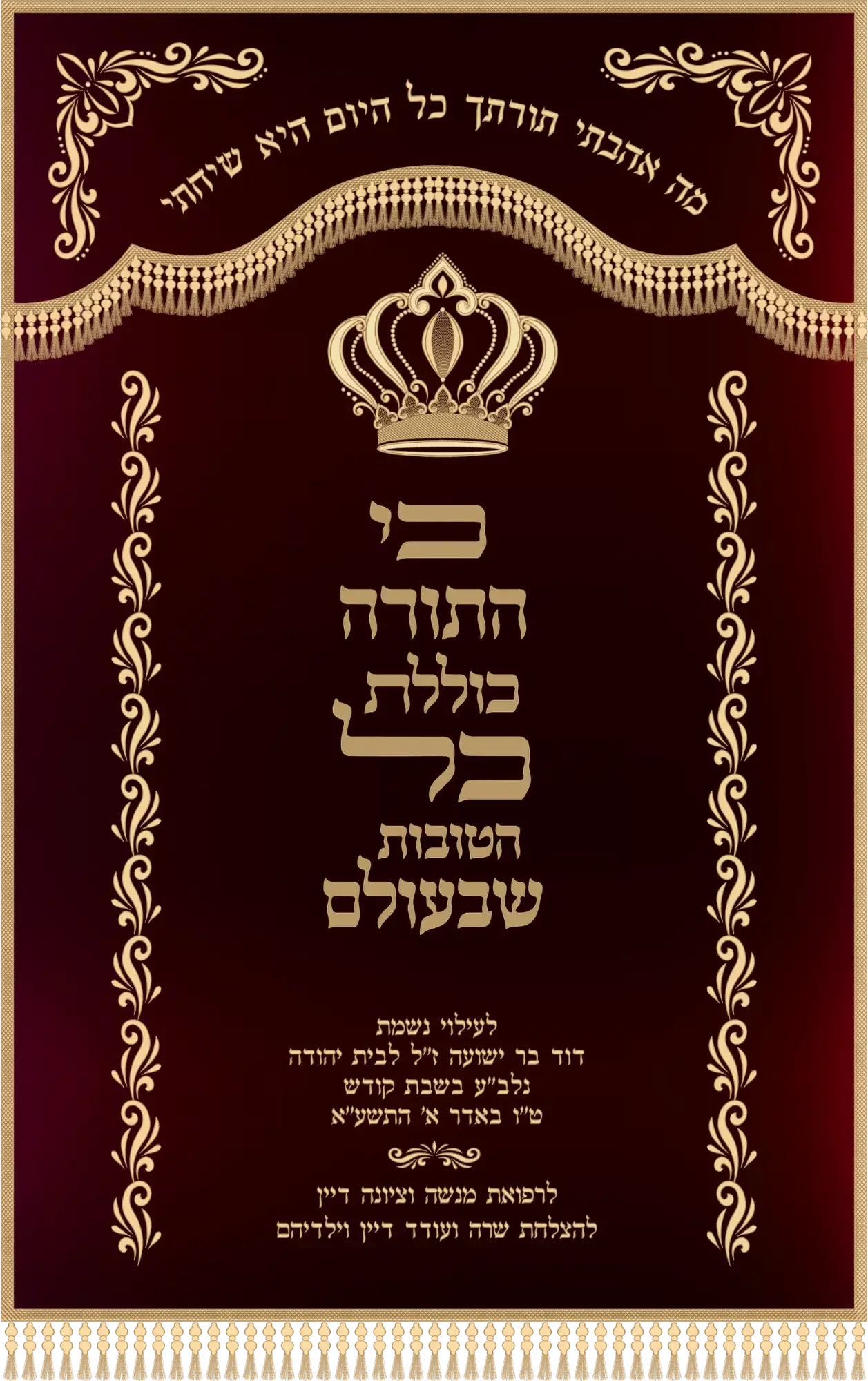
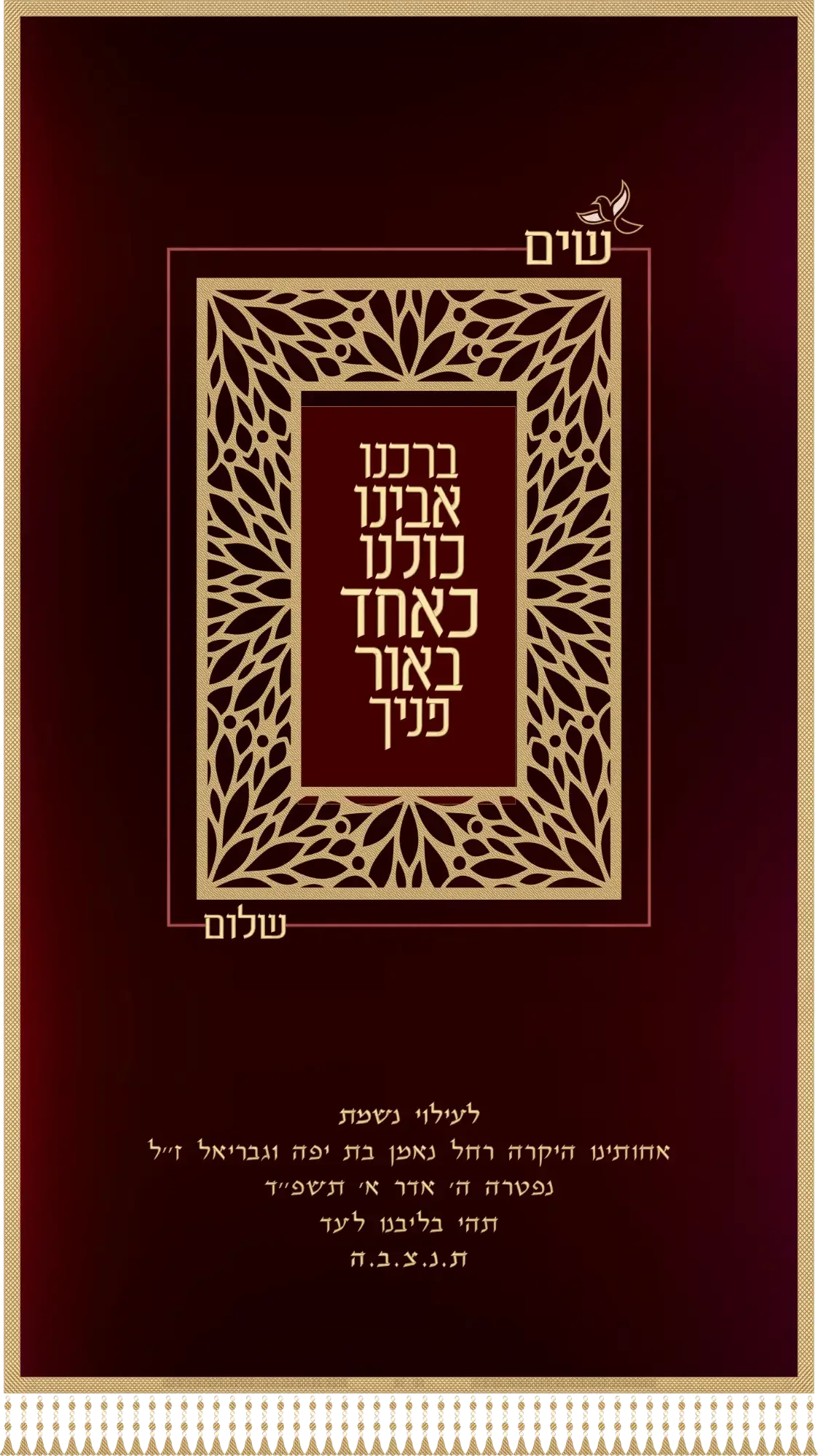
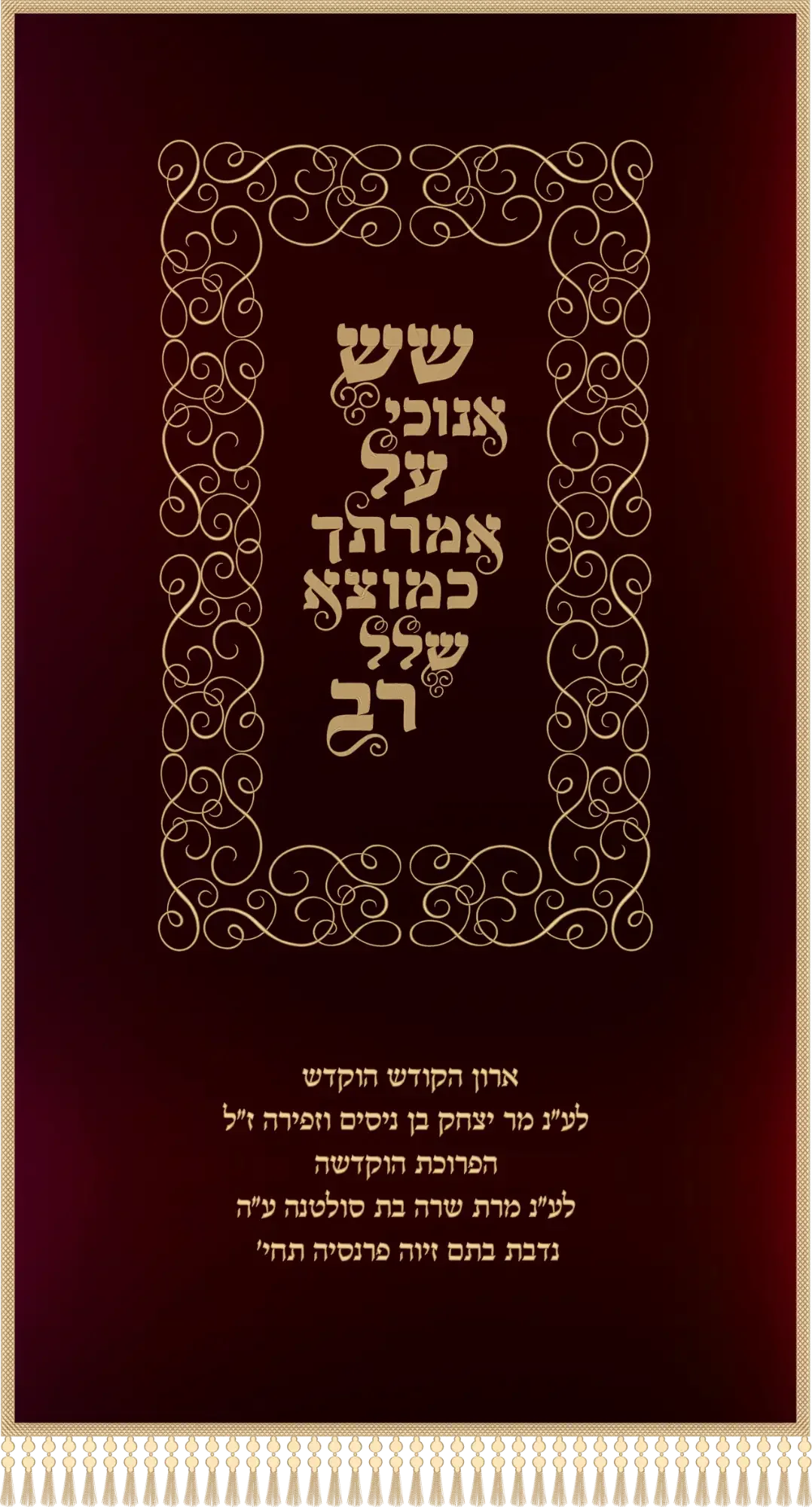
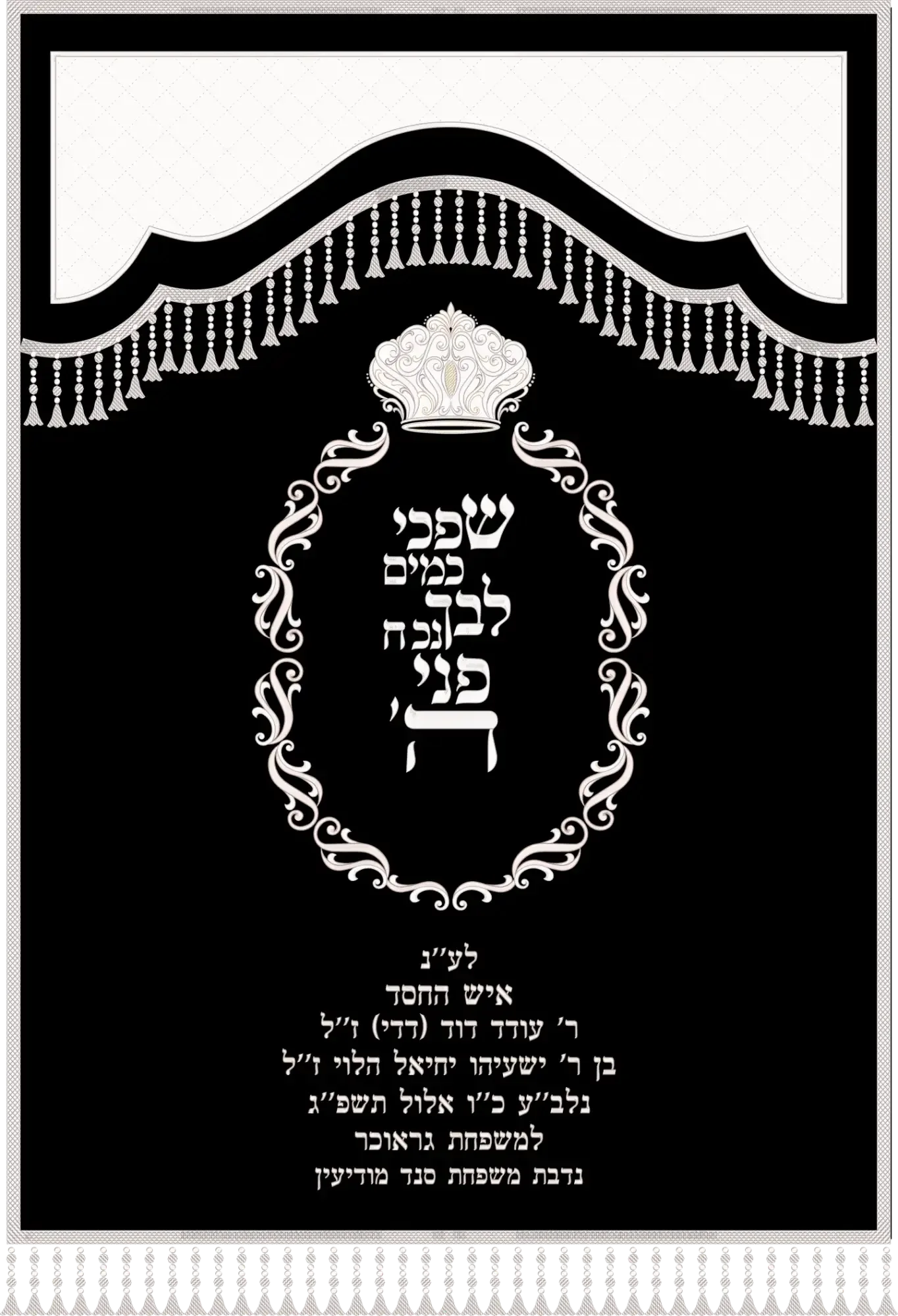
The motifs chosen for a Torah's decorations rarely stay confined to the scroll alone. A congregation that embroiders crowns, Tablets of the Covenant, or a menorah onto the mantle will often repeat the same imagery on the parochet hanging before the ark, so the whole Heichal tells one visual story. At Hichala (היכלא), this is exactly where hand embroidery comes in: a parochet featuring a crown design can visually echo a scroll's own keter, while a curtain with the Tablets of the Covenant picks up a theme common to many Torah ornaments. Browsing our gallery of parochot is a useful way to see how these shared motifs can carry through an entire synagogue.
Choosing or Commissioning Torah Scroll Decorations
Congregations and families approach these decisions differently, and there is no single correct path — the right choice depends on custom, budget, and the existing character of the synagogue. A few practical points worth considering:
- Match the style of the decorations to existing community custom, since Ashkenazi and Sephardic communities often favor different sets of ornaments.
- Choose durable materials, since these pieces are handled every time the scroll is read.
- Consider a dedication inscription, a common way for families to honor a loved one through a lasting gift to the synagogue.
- Coordinate new decorations with the colors and motifs already used on the Ark curtain and other textiles in the Heichal.
Many of these decisions are best discussed with the synagogue's rabbi or gabbai, since customs around the exact set of decorations and the order in which they are placed can vary meaningfully between communities.
Frequently Asked Questions
What is included in קישוטים לספר תורה?
The term typically covers the crown, the rimonim, the breastplate, the pointer, and the embroidered mantle — the full set of decorative items used to dress and honor a Torah scroll.
Are Torah scroll decorations required?
Jewish tradition encourages beautifying objects used for a mitzvah, but the exact items, styles, and order of use are a matter of long-standing community custom rather than a single fixed rule, so questions are best directed to a rabbi familiar with the congregation's practice.
Can Torah scroll decorations be custom designed?
Yes — many workshops create custom crowns, mantles, and matching Ark curtains, allowing a congregation to choose colors, inscriptions, and motifs that reflect its own character and history.
From silver crowns to hand-stitched mantles, קישוטים לספר תורה carry forward a tradition of honoring the Torah that has been shaped by generations of custom and craftsmanship. Whatever combination a congregation chooses, these decorations remain a quiet but visible expression of the respect given to the scroll at the center of Jewish communal life.
עוד מהעולם של ארגמן
פרוכות לארון קודש
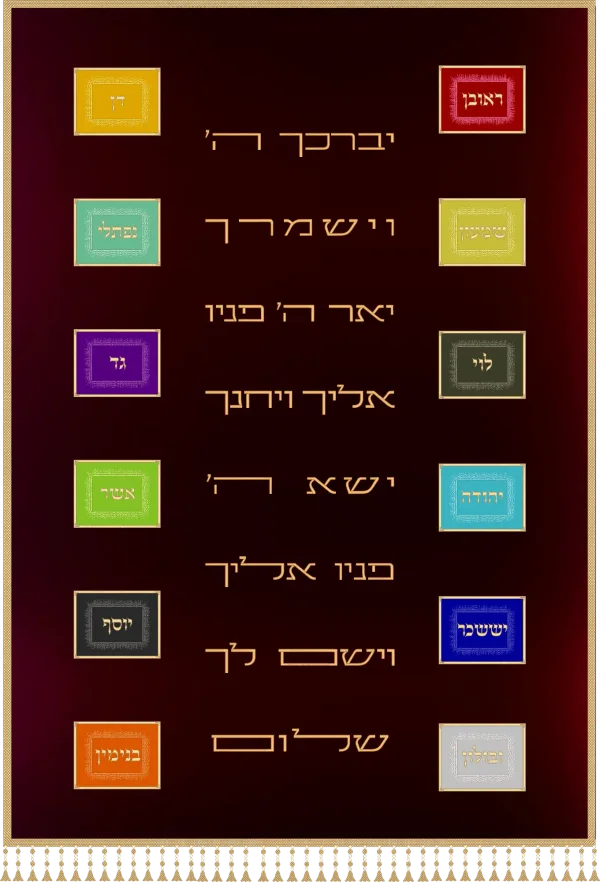
Parochet Shvatim (פרוכת שבטים): The Ark Curtain That Unites the Twelve Tribes of Israel
פרוכת שבטים curtains embroider the Twelve Tribes of Israel, bringing unity, heritage, and beauty to the synagogue's aron kodesh.
פרוכות לארון קודש
Parochet LeChagim (פרוכת לחגים): The Tradition of Festival Ark Curtains
A look at the parochet lechagim tradition - festival ark curtains that mark the Jewish holidays with fitting color and design.
פרוכות לארון קודש
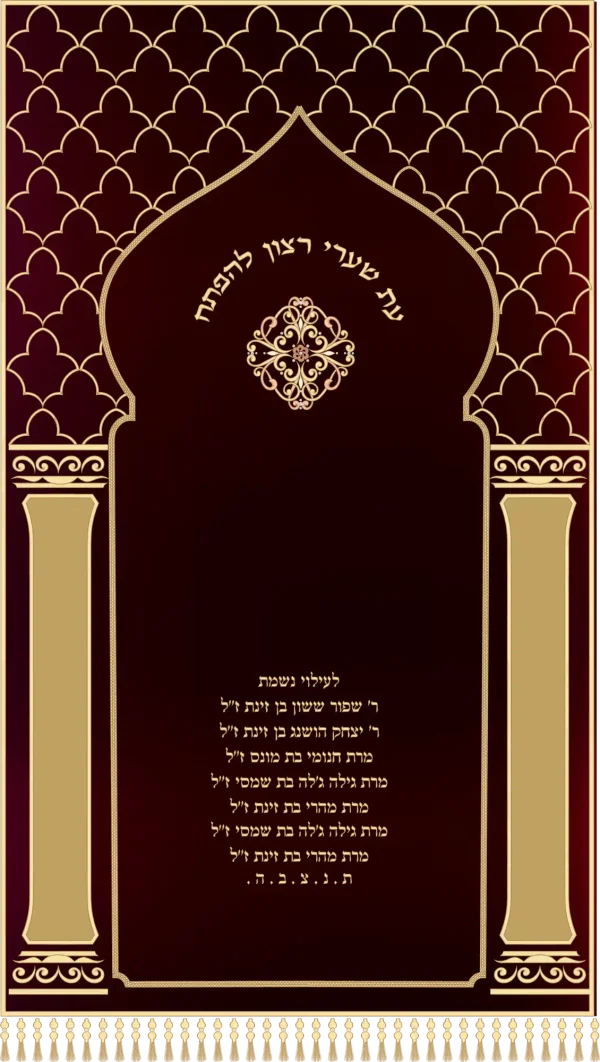
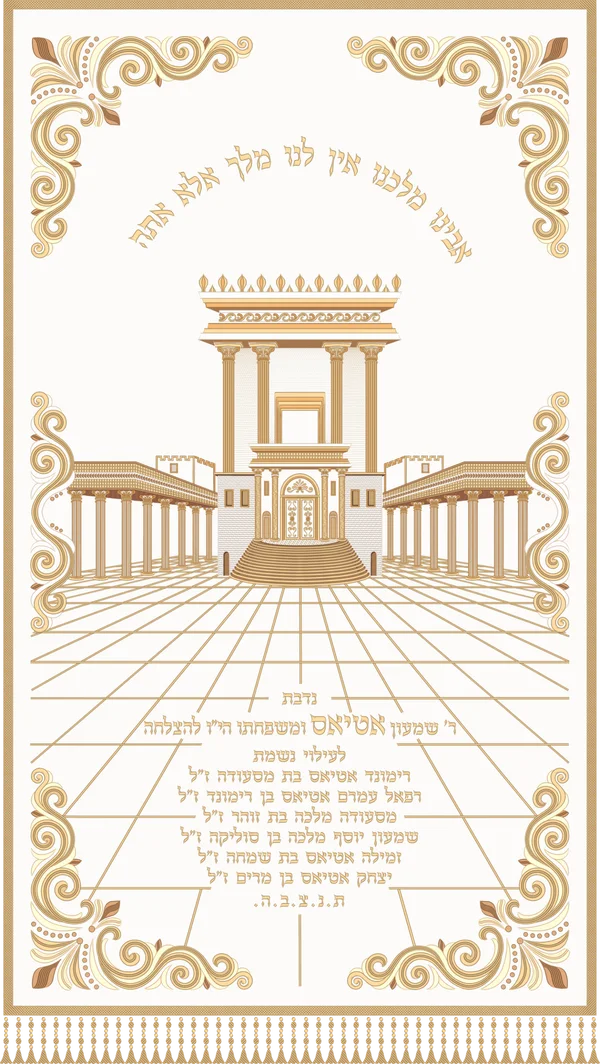
Parochet Dugma Beit HaMikdash (פרוכת דגם בית המקדש): A Guide to the Temple-Pattern Ark Curtain
Discover what a פרוכת דגם בית המקדש is, the Temple motifs it features, and how to choose the right design for your Aron Kodesh.