
פרוכות לארון קודש
Rekima Chadashanit (רקמה חדשנית): Innovative Embroidery for the Aron Kodesh
רקמה חדשנית brings fresh techniques to hand embroidery, adorning the Aron Kodesh with a modern yet traditional parochet.
מערכת ארגמן · 11 בנובמבר 2026 · 5 דק׳ קריאה
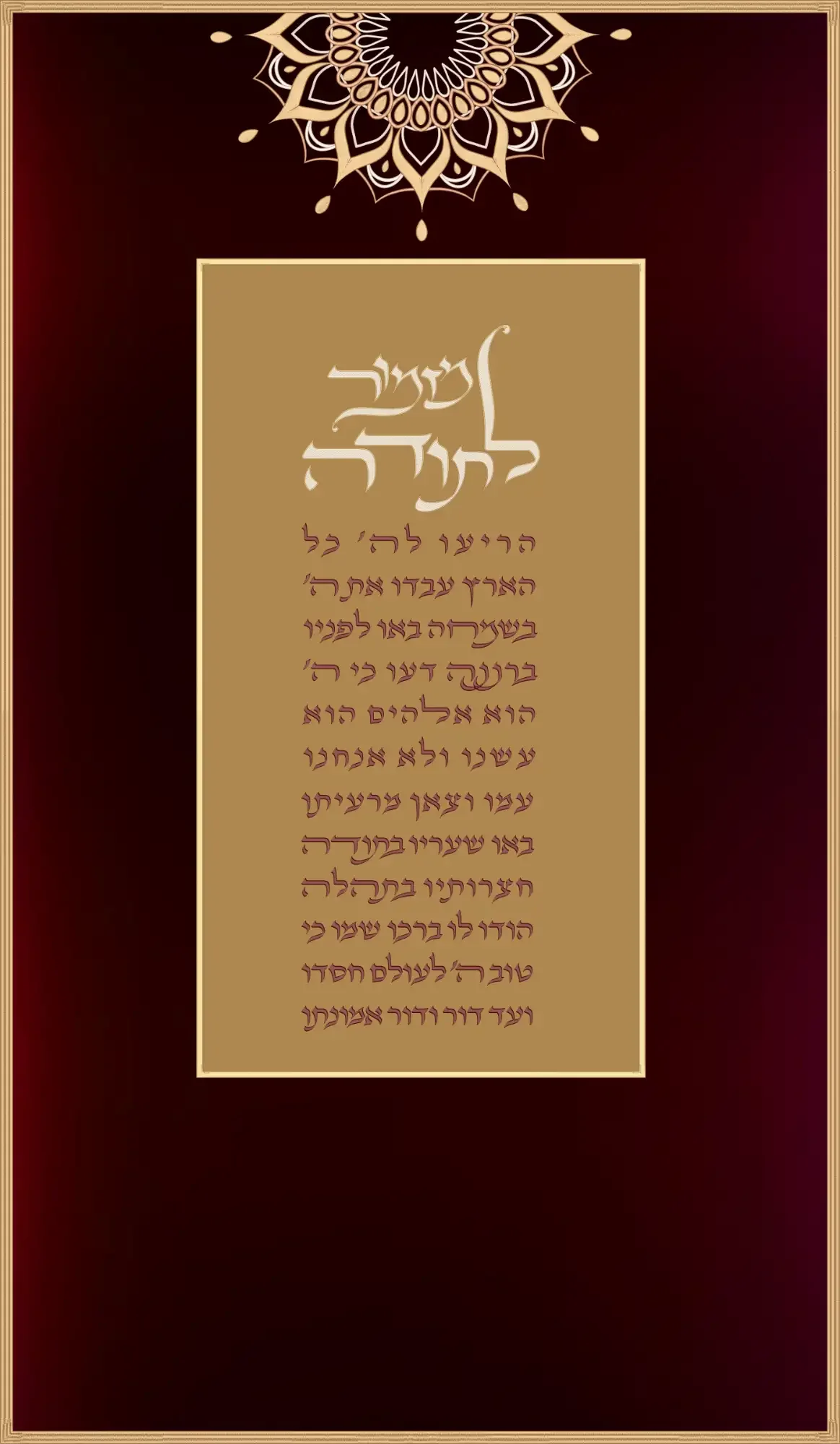
רקמה חדשנית, or innovative embroidery, is the practice of blending time-honored hand-stitching traditions with new materials, textures, and design ideas to create ceremonial textiles that feel both ancient and alive. For a synagogue choosing a new covering for the Aron Kodesh, this approach matters because it lets a community express its own character while still honoring the craft that has adorned Torah arks for generations. In short, it is the cutting edge of a very old art.
In Brief
- Innovative embroidery (רקמה חדשנית) combines classic hand-stitching with modern materials such as leather inlays, metallic threads, and dimensional work.
- It is most often applied to parochot, Torah mantles, and other Aron Kodesh textiles to give a synagogue's sacred items a distinctive character.
- The approach builds on tradition rather than replacing it, reworking motifs such as the Menorah, the Luchot, or the gates of Jerusalem in fresh compositions.
- Communities generally turn to this style when they want a curtain or mantle that reflects both their heritage and their present-day identity.
What Is רקמה חדשנית (Innovative Embroidery)?
רקמה חדשנית is embroidery that moves beyond the standard palette of threads and motifs typically found on older Torah ark curtains, while still relying on the same patient, hand-guided needlework that has always defined fine Judaica. Rather than discarding tradition, it reinterprets it — a crown may be stitched with raised, sculptural dimension, or a verse may appear in a bold, modern calligraphic hand instead of a classic script. The result is a textile that reads, at a glance, as unmistakably connected to the synagogue's heritage, yet unmistakably of its own moment.
Techniques and Materials Behind the Craft
Several hand techniques and material choices set this style apart from more classic embroidery for the Aron Kodesh.
- Dimensional, raised stitching that gives a crown, a lion, or the Luchot a sculpted appearance rather than a flat image.
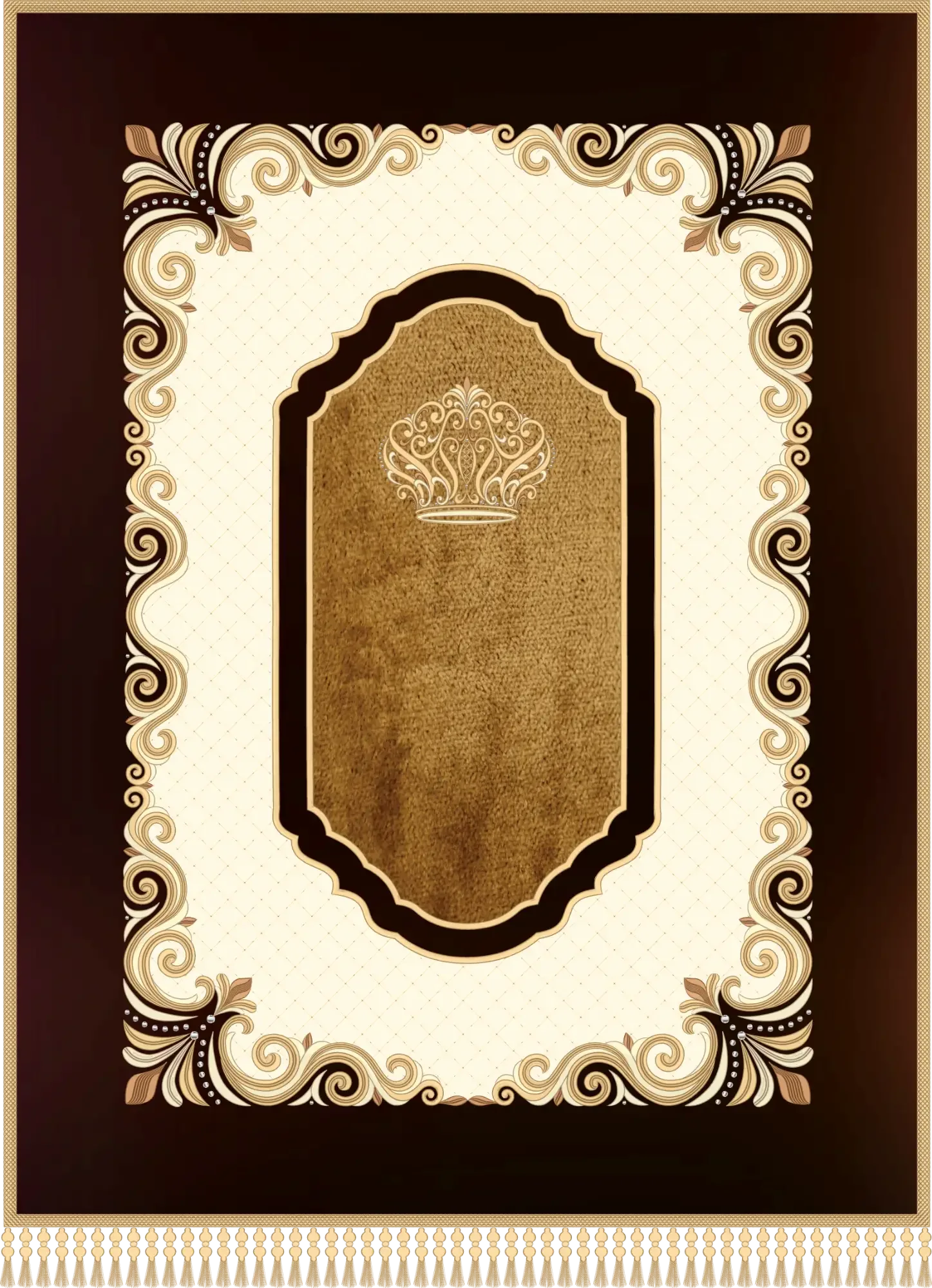
- Mixed-material inlays, such as genuine leather set within a stitched frame, as seen in this embroidered frame with a genuine leather inlay.
- Metallic and silk-blend threads that catch light differently depending on the angle from which they are viewed.
- Contemporary motifs — geometric patterns, modern calligraphy, or abstract renderings of light — set alongside traditional symbols.
Traditional vs. Innovative Embroidery
The difference between traditional and innovative embroidery lies mainly in materials, texture, and how familiar motifs are treated, as the comparison below shows.
| Aspect | Traditional Embroidery | Innovative Embroidery |
|---|---|---|
| Materials | Classic silk and metallic threads | Threads combined with leather, textured fabrics, or mixed weaves |
| Texture | Mostly flat, even stitching | Raised, dimensional, or sculpted elements |
| Motifs | Crowns, lions, and Luchot in classic form | Traditional symbols reinterpreted alongside modern shapes |
| Color Palette | Deep reds, golds, and blues | Expanded ranges, including softer tones or bold contrasts |
Why Congregations Choose Innovative Embroidery for the Aron Kodesh
Congregations choose innovative embroidery for the Aron Kodesh because it lets a sanctuary feel personally meaningful while remaining visibly rooted in tradition. A curtain is one of the few textiles in Jewish life seen by an entire community week after week, and many congregations want that focal point to reflect both inherited symbols and their own moment in time. Workshops such as Hichala (היכלא), which specialize in hand embroidery for the synagogue, often serve as a bridge between an inherited look and a community's current taste, translating a sketch into stitched reality.
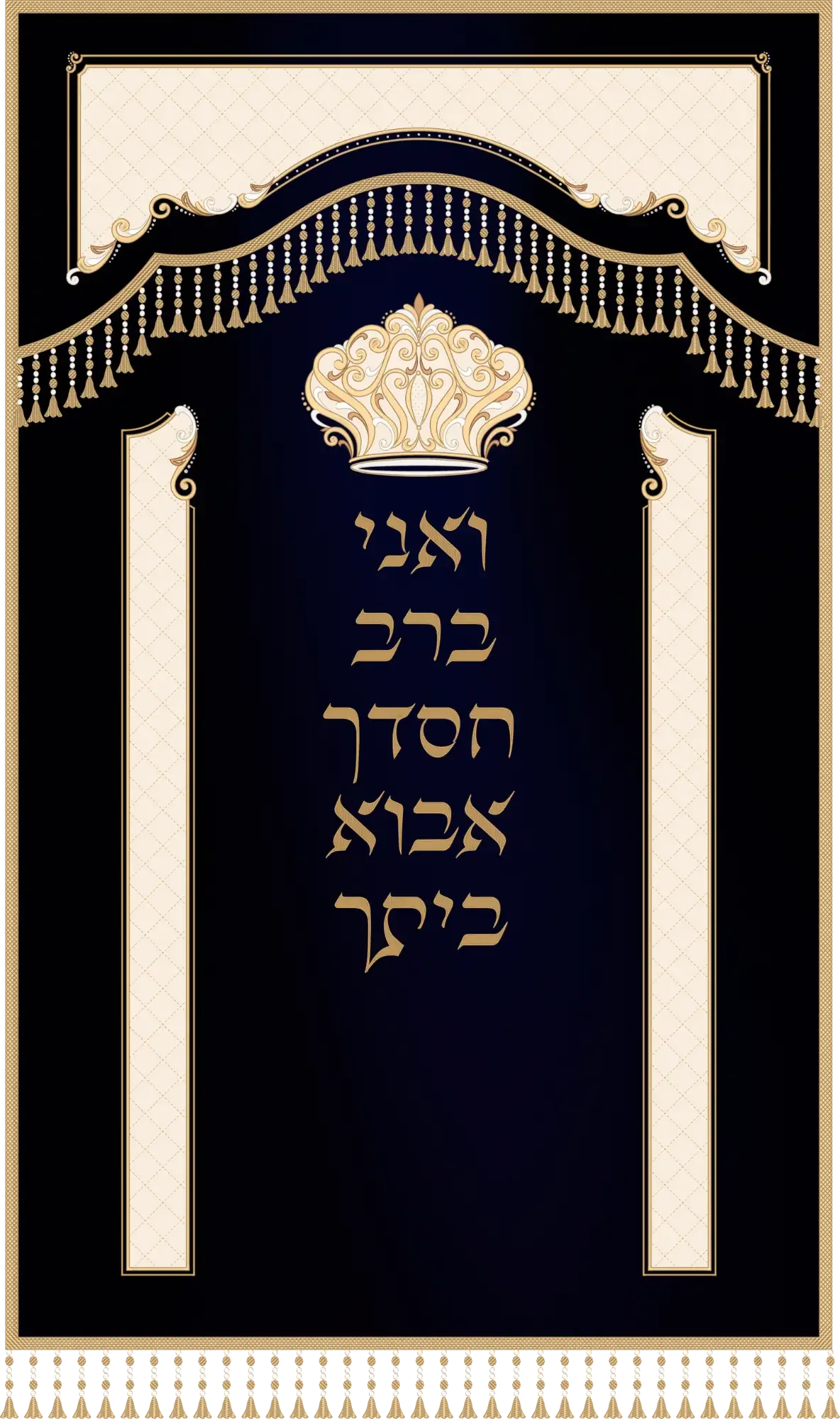
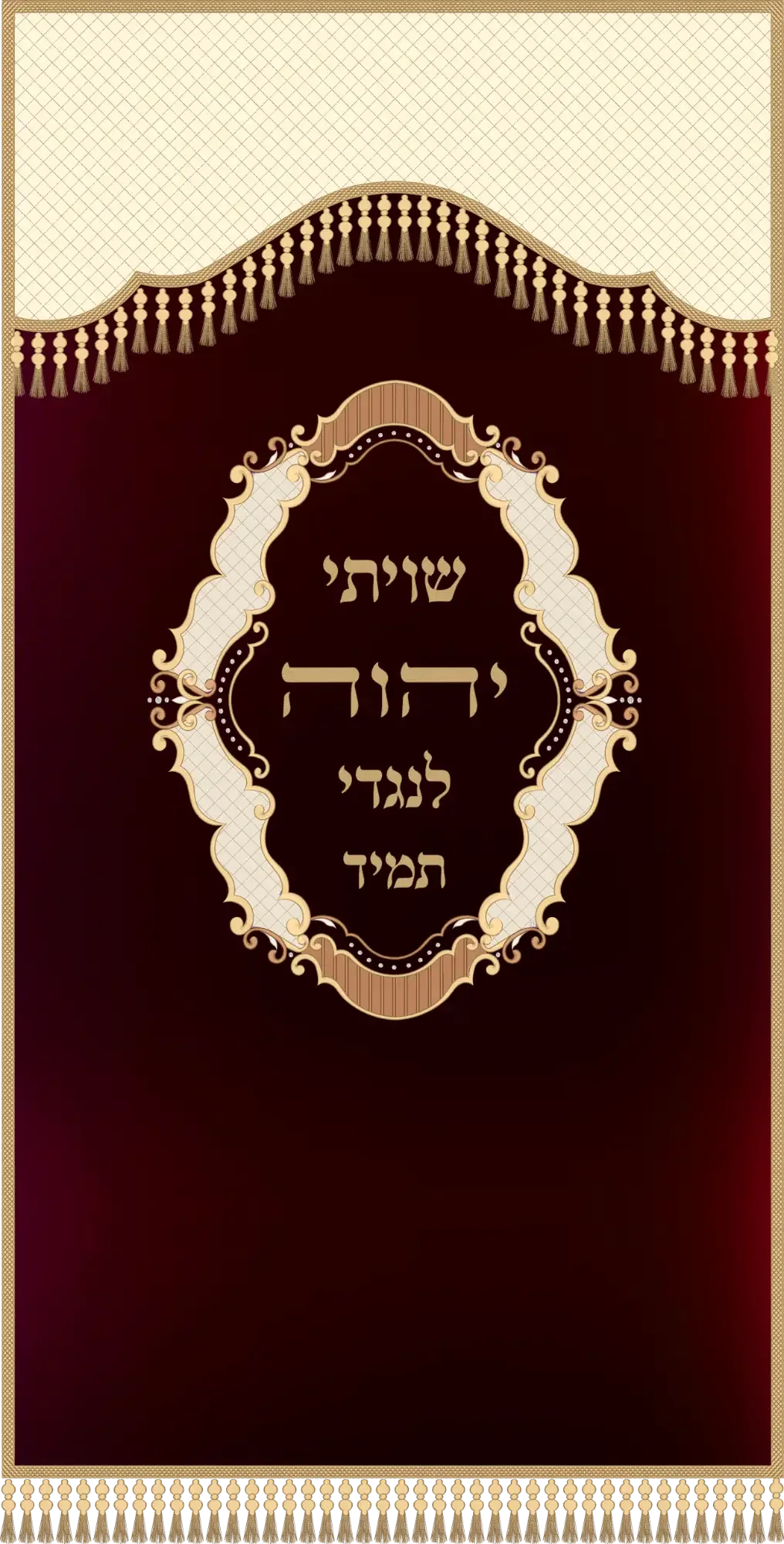
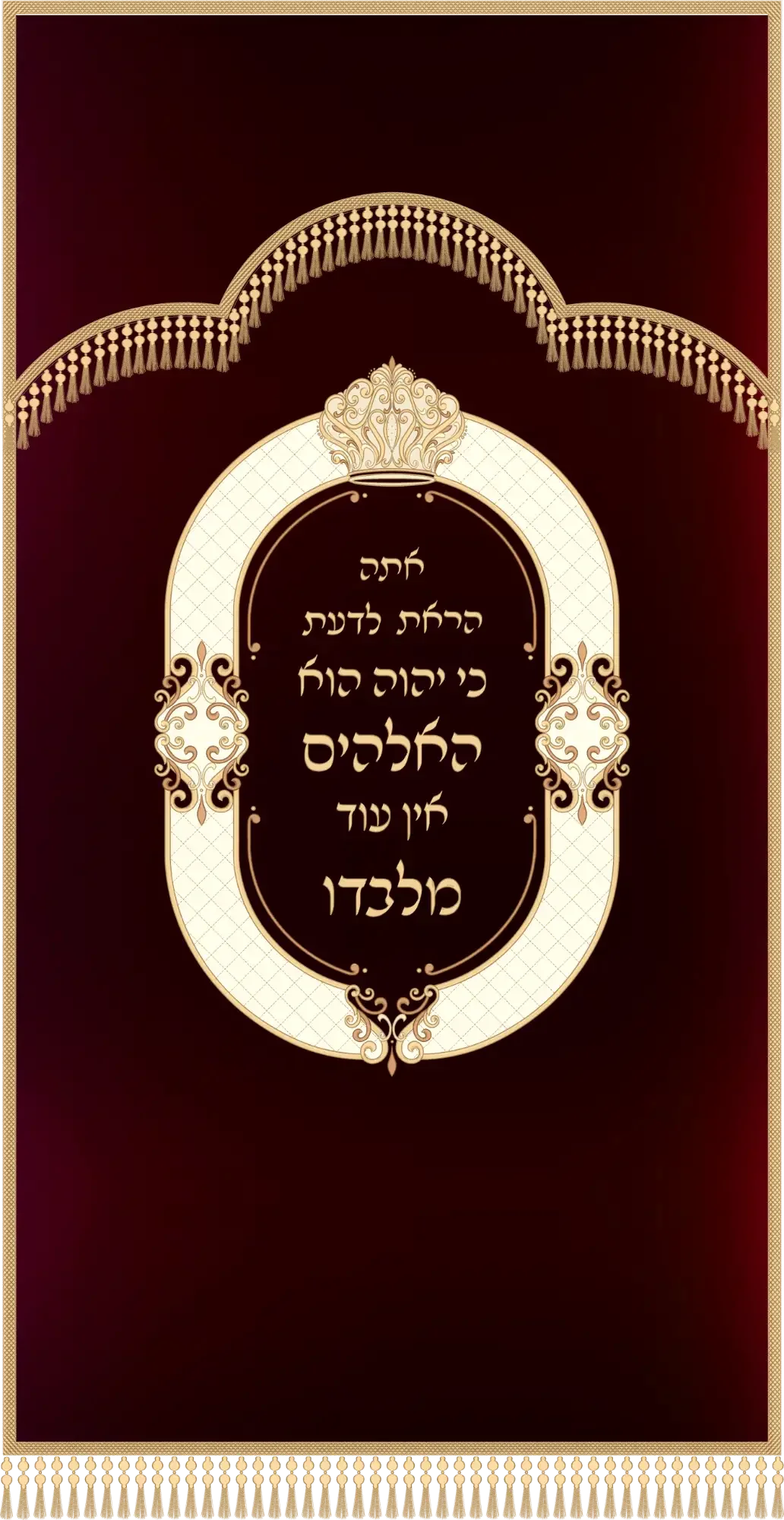
You can see this range for yourself — from the geometric mandala-inspired parochet to the boldly contemporary Shema Yisrael curtain in a modern design. For a broader view of how far embroidered design can stretch while staying within custom, browse our gallery of parochot or read a general overview of the Torah ark's role in synagogue life.
How to Choose an Innovative Design Without Losing Tradition
Choosing an innovative embroidery design without losing tradition starts with identifying which symbols and colors already matter most to your community.
- Start with the symbols your congregation already values, such as the twelve tribes, the Menorah, or a verse meaningful to your community.
- Decide how much texture and dimension feels right against your sanctuary's existing décor.
- Ask to see a design in person or under different lighting before committing to metallic or mixed-material threads.
- Consider adding a dedication inscription that ties the finished piece to a specific family, memory, or occasion.
Frequently Asked Questions
Is innovative embroidery appropriate for an Aron Kodesh?
Yes; it is generally understood as a design choice rather than a departure from tradition, since it still uses hand embroidery and familiar sacred symbols, simply presented in new ways.
Does innovative embroidery cost more than traditional designs?
Cost depends mainly on the materials used, the amount of handwork involved, and the size of the piece rather than on the style itself, so it is best discussed directly with the workshop creating it.
Can innovative embroidery be combined with classic motifs?
Yes; many admired pieces pair timeless images, such as the Luchot or the Menorah, with contemporary stitching techniques, colors, or framing.
Ultimately, רקמה חדשנית offers congregations a way to bring the cutting edge of the craft to the holiest spot in the synagogue, honoring the Aron Kodesh with a curtain that feels both rooted in the past and renewed for today.
עוד מהעולם של ארגמן
פרוכות לארון קודש
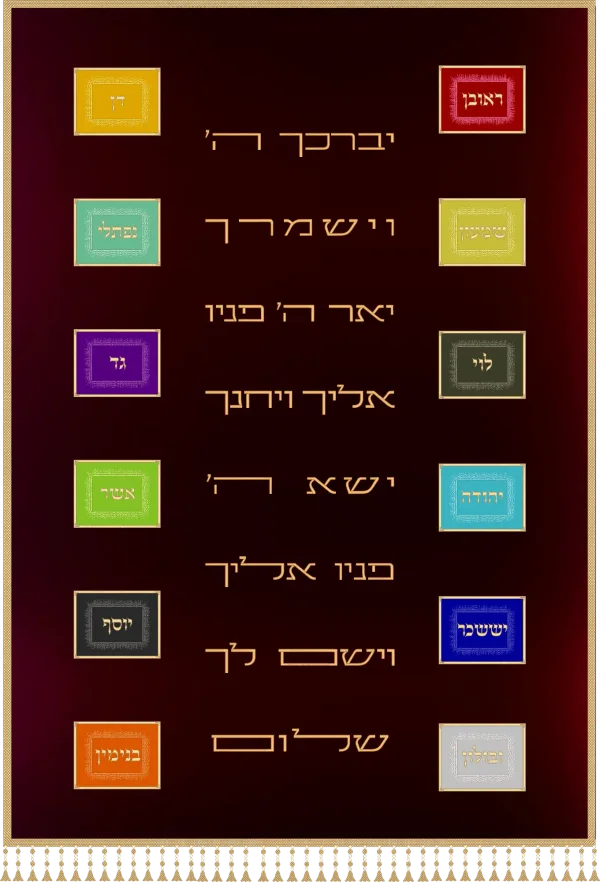
Parochet Shvatim (פרוכת שבטים): The Ark Curtain That Unites the Twelve Tribes of Israel
פרוכת שבטים curtains embroider the Twelve Tribes of Israel, bringing unity, heritage, and beauty to the synagogue's aron kodesh.
פרוכות לארון קודש
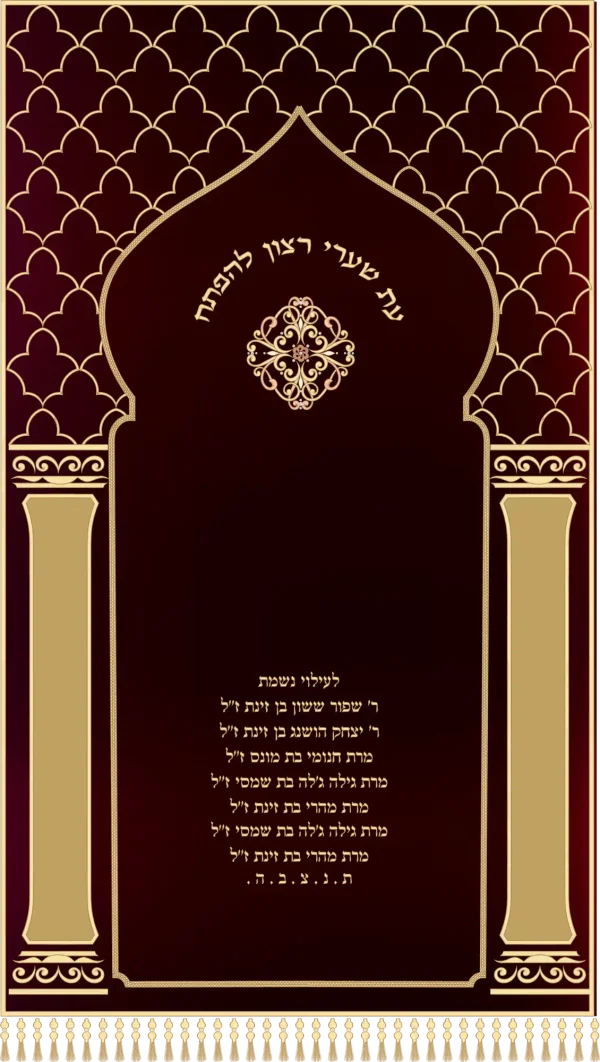
Parochet LeChagim (פרוכת לחגים): The Tradition of Festival Ark Curtains
A look at the parochet lechagim tradition - festival ark curtains that mark the Jewish holidays with fitting color and design.
פרוכות לארון קודש
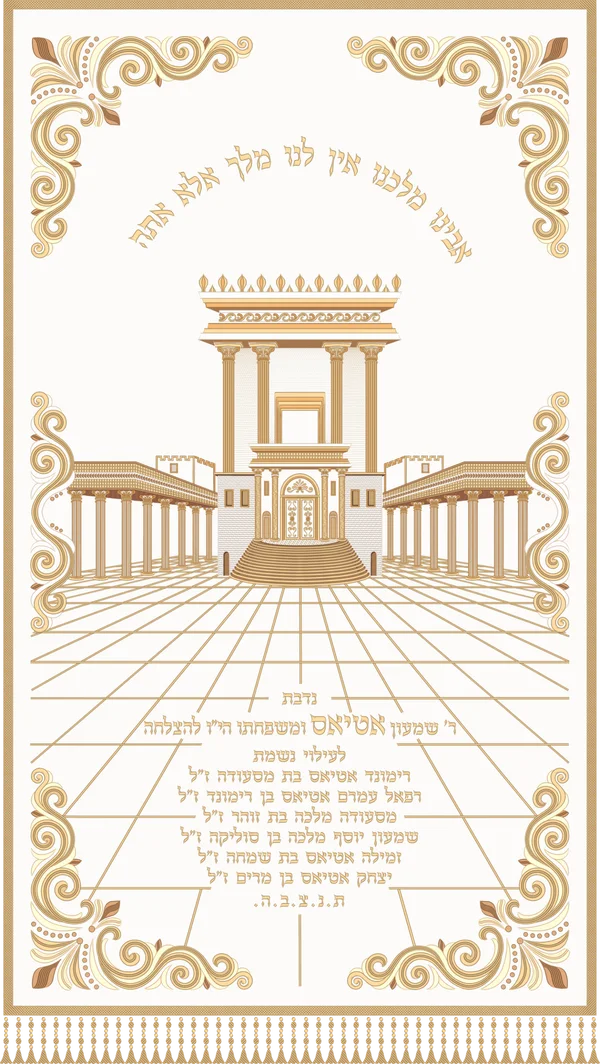
Parochet Dugma Beit HaMikdash (פרוכת דגם בית המקדש): A Guide to the Temple-Pattern Ark Curtain
Discover what a פרוכת דגם בית המקדש is, the Temple motifs it features, and how to choose the right design for your Aron Kodesh.