פרוכות לארון קודש
Parochot LeAron Kodesh (פרוכות לארון קודש): Building a Complete Collection for the Synagogue Ark
A warm guide to פרוכות לארון קודש – styles, fabrics, and how synagogues build a meaningful collection for every season.
מערכת ארגמן · 19 באוקטובר 2026 · 5 דק׳ קריאה
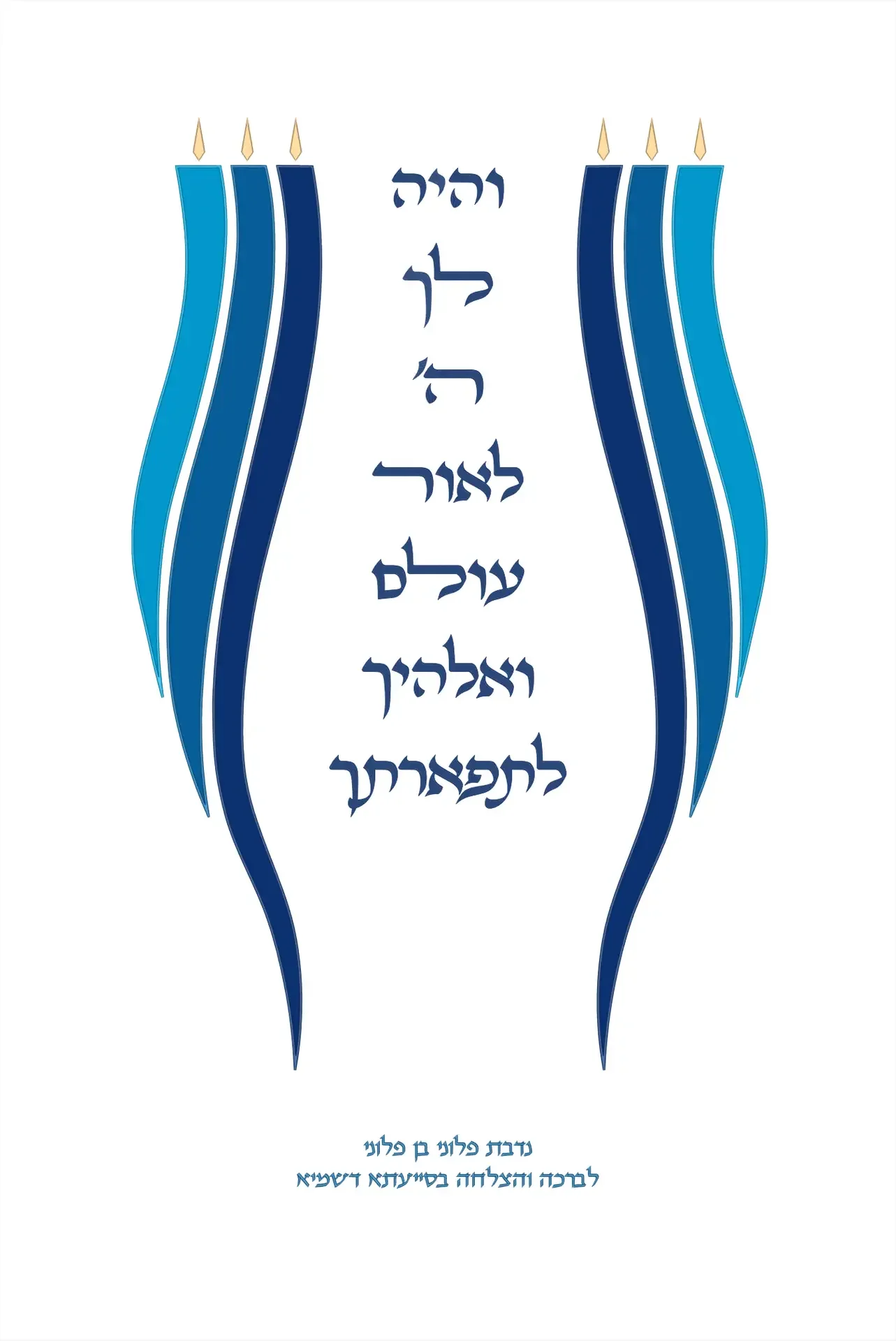
פרוכות לארון קודש – the embroidered curtains hung before the Torah ark – are rarely a single purchase; most synagogues build a small collection over time, rotated by day, season, or occasion. A congregation's set typically includes an everyday curtain, something more festive for Shabbat and Yom Tov, and often a white curtain reserved for the Days of Awe. Choosing and expanding this collection thoughtfully gives the ark a changing beauty that mirrors the rhythm of the Jewish year.
In Brief
- פרוכות לארון קודש are the decorative curtains covering the Torah ark, and congregations commonly own more than one for different times of year.
- A basic collection usually separates everyday use from Shabbat, Yom Tov, and the High Holidays, each with its own color and imagery.
- Materials range from velvet and silk to combined fabrics, with hand embroidery adding motifs such as crowns, pomegranates, or the twelve tribes.
- New curtains are often added as dedications in memory of a loved one or to mark a simcha, gradually expanding the synagogue's collection.
What Are פרוכות לארון קודש?
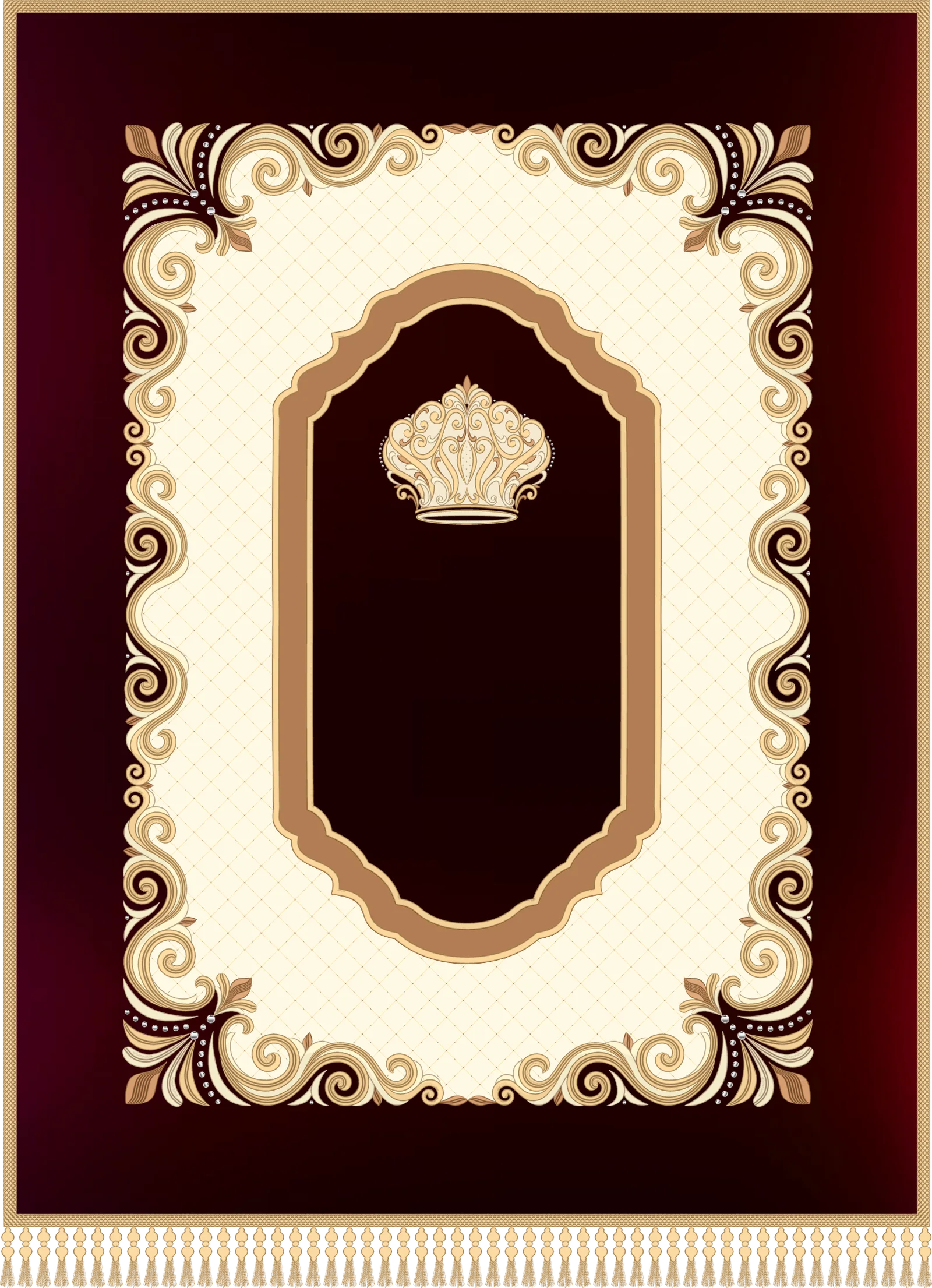
They are the fabric curtains that cover the doors of the Torah ark (aron kodesh), standing in for the veil that once separated the Holy of Holies in the ancient Temple. Each curtain is generally cut to the exact width and height of the ark it covers, then decorated with embroidery, appliqué, or metal threadwork chosen to suit the congregation's taste and customs. Because the curtain faces the entire sanctuary, it is often the single most visible piece of Judaica in the room, which is one reason many shuls invest in more than one.
Why Build a Collection Instead of Owning Just One?
A single curtain limits a synagogue to one look all year, while a small collection lets the ark reflect the mood of each season. Many communities follow a simple pattern:
- An everyday or weekday curtain in a durable, modest fabric.
- A richer curtain for Shabbat and festivals, often in deep reds, blues, or gold-toned embroidery.
- A dedicated holiday curtain brought out for Sukkot, Pesach, or Shavuot.
- A white curtain set aside for Rosh Hashanah and Yom Kippur, following the widespread custom of dressing the ark in white for the Days of Awe.
This rotation mirrors the way the Torah scroll itself is dressed differently through the year, giving the ark a living connection to the calendar rather than a single fixed appearance.
Types, Fabrics, and Occasions
פרוכות לארון קודש differ mainly by the occasion they are meant for and the fabric used to achieve the right weight and shine. The table below outlines common categories many synagogues keep in rotation.
| Occasion | Typical Fabric | Common Motifs |
|---|---|---|
| Everyday / weekday | Durable velvet or cotton-blend | Simple borders, modest lettering |
| Shabbat & festivals | Velvet, silk, or combined fabrics | Crowns, pomegranates, Lions of Judah |
| High Holidays | White silk or satin | Tablets of the Covenant, shofar imagery |
| Dedication gifts | Velvet with gold or silver embroidery | Family names, memorial inscriptions |
How a Collection of פרוכות לארון קודש Grows Over Time
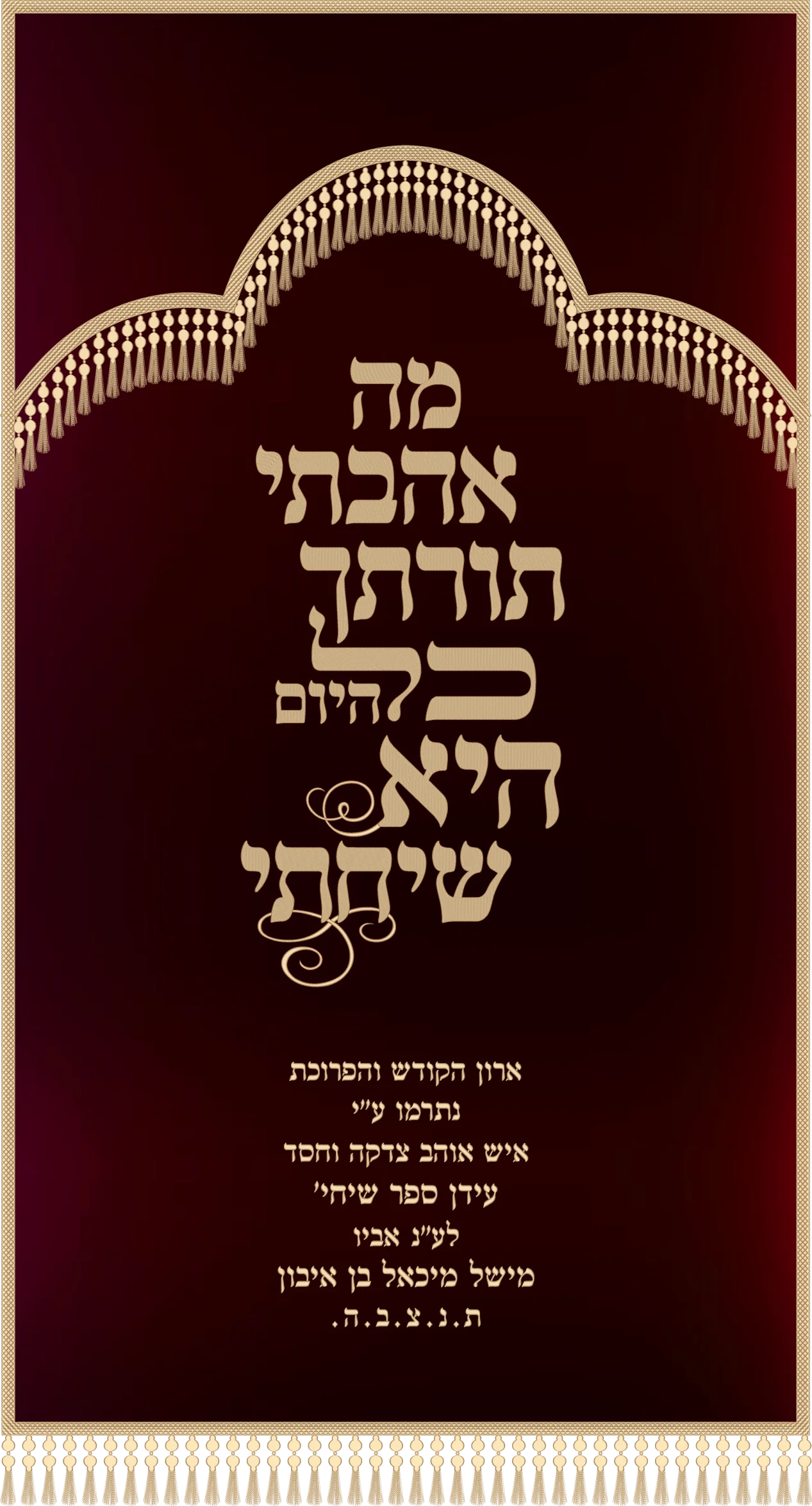
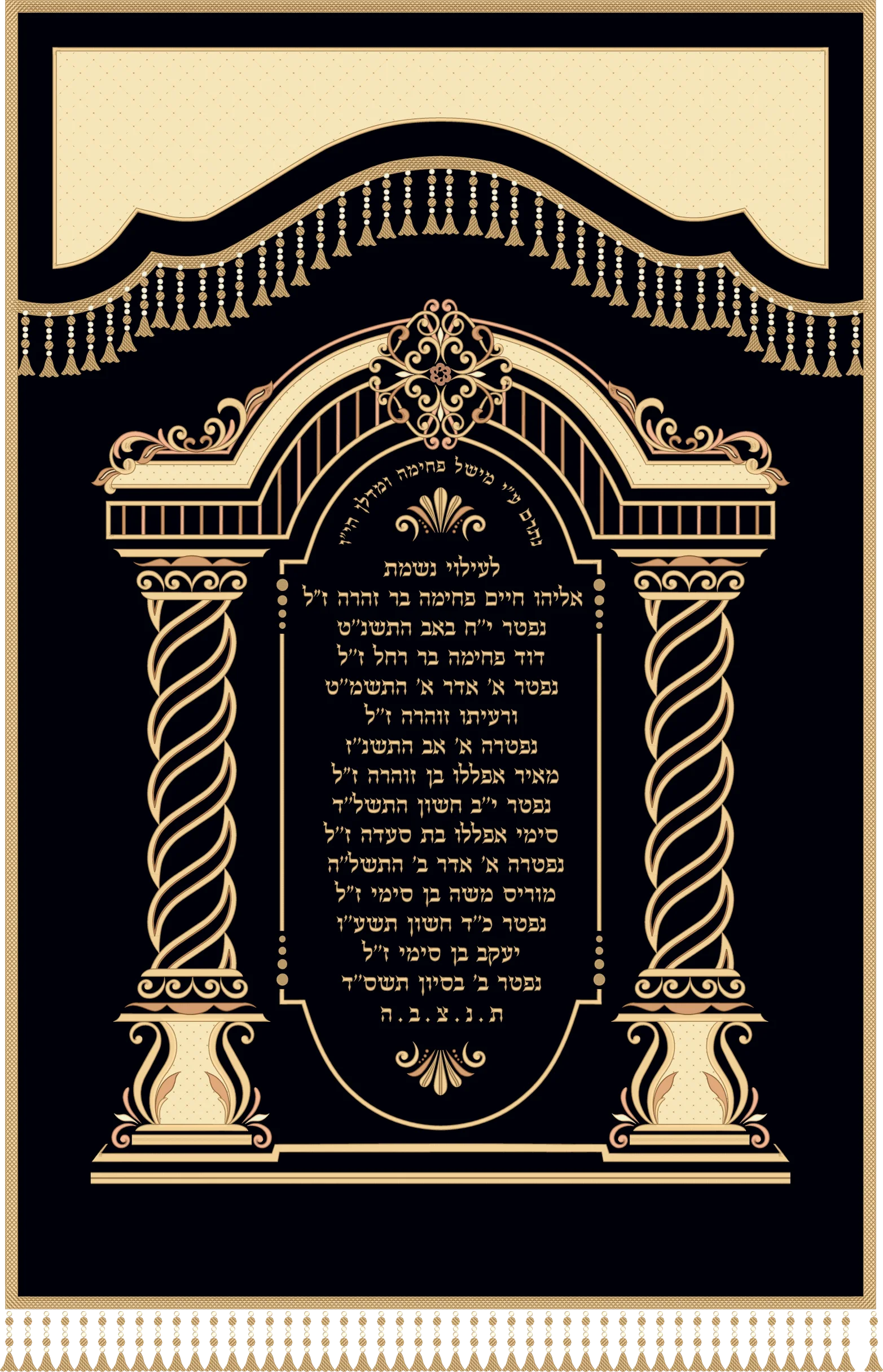
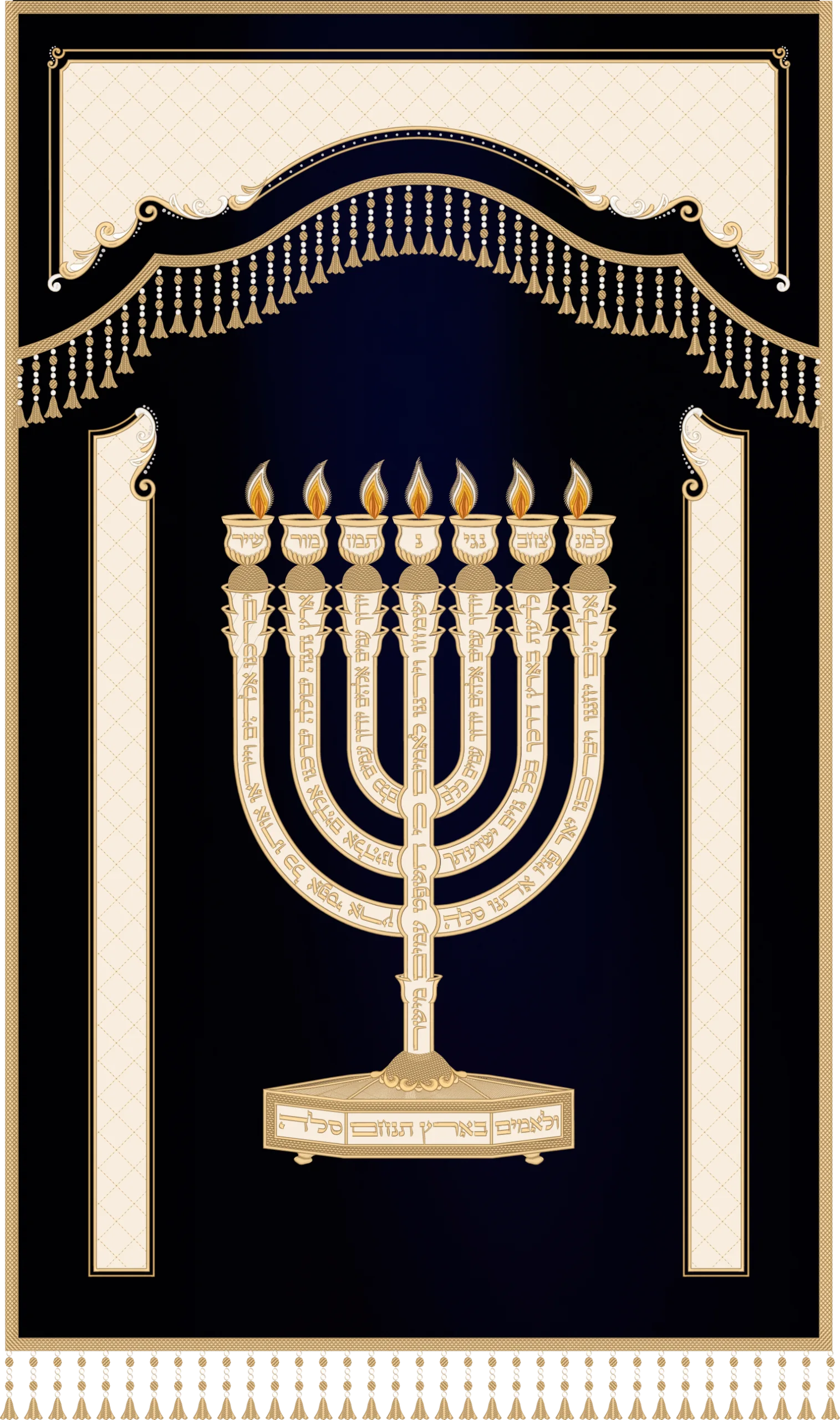
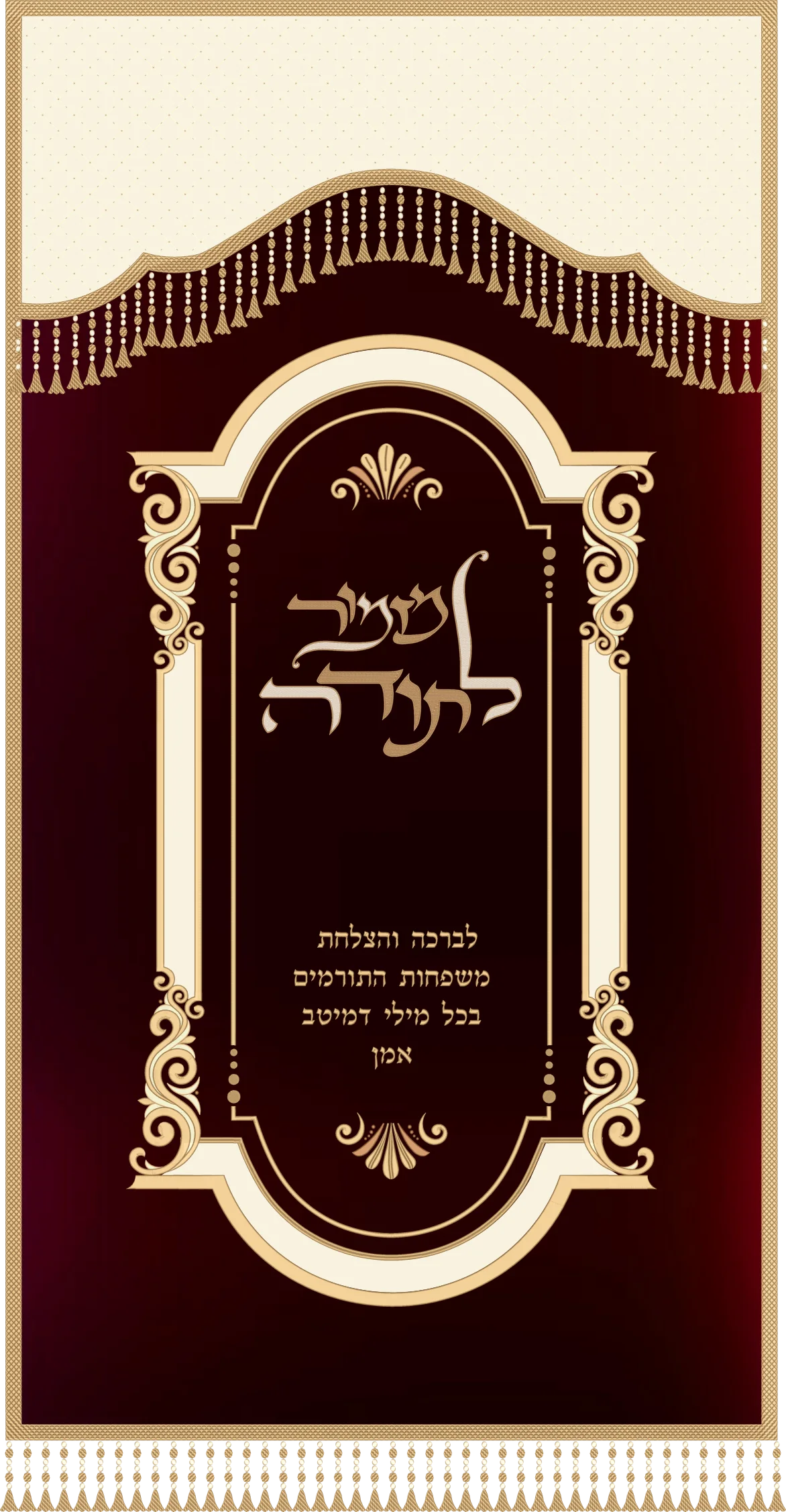
Most synagogues do not purchase an entire set of curtains at once; the collection usually grows gift by gift. A family marking a yahrzeit, a bar or bat mitzvah, or a wedding anniversary will often commission a new curtain as a dedication, adding both beauty and memory to the ark. Over the years this turns the collection into a kind of communal scrapbook, with each curtain carrying the name of the person or occasion it honors. Our gallery of parochot shows how varied this accumulated collection can look even within a single synagogue.
At Hichala (היכלא), hand embroidery is used to give each curtain its own character, whether the design draws on a crown such as the Keter parochet or a gate motif meant to evoke the entrance to something holy. Because every piece is made individually, a congregation can keep adding to its collection without worrying that a new curtain will clash with the ones already hanging.
Caring for Multiple Curtains
Looking after several פרוכות לארון קודש mainly comes down to gentle storage and rotation rather than any single trick. Curtains not currently in use should be kept flat or loosely rolled, away from direct sunlight and humidity, so embroidery threads and metallic accents keep their color. Many shuls keep a simple written or digital note of which curtain is used for which date, so volunteers can rotate them consistently year after year. For broader background on the ark and the customs surrounding it, the overview of the Torah ark is a useful starting point.
Frequently Asked Questions
How many curtains does a synagogue actually need?
There is no fixed requirement, but many congregations find that three or four curtains — everyday, Shabbat/festival, and a white one for the High Holidays — cover most of the year comfortably.
Can a new curtain be added to an existing collection as a gift?
Yes; dedicating a new curtain in honor of a simcha or in memory of a loved one is a common and welcomed way to expand a synagogue's collection.
Do all the curtains in a collection need to match in style?
Not necessarily — many collections mix styles and colors gathered over the years, united mainly by the fact that each curtain is sized to fit the same ark.
Bringing It All Together
A thoughtfully built set of פרוכות לארון קודש turns the ark into something that changes with the Jewish year rather than staying static, reflecting weekdays, festivals, and the solemnity of the Days of Awe in turn. Whether a congregation is choosing its first curtain or its tenth, each addition becomes part of a larger, living collection that continues to grow with the community it serves.
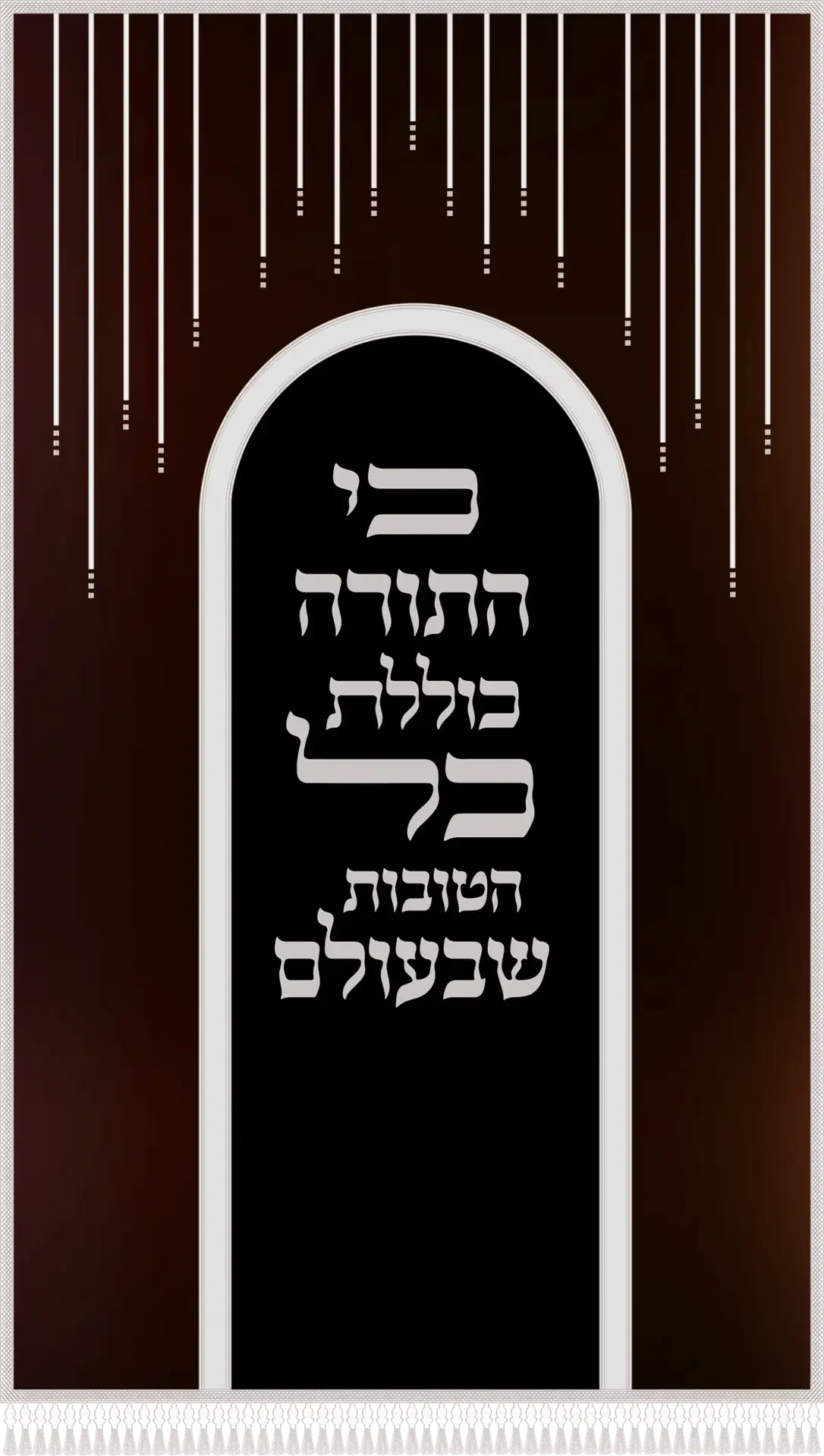
עוד מהעולם של ארגמן
פרוכות לארון קודש
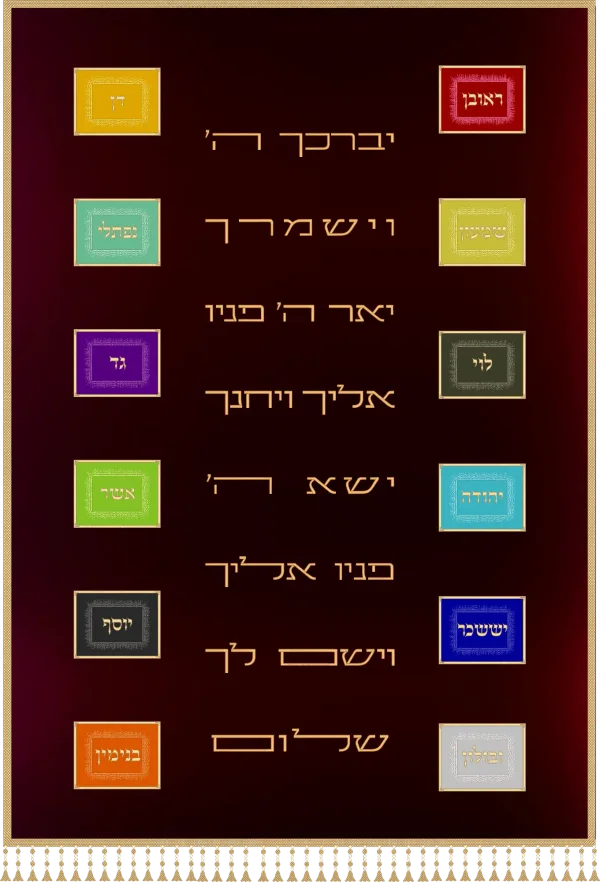
Parochet Shvatim (פרוכת שבטים): The Ark Curtain That Unites the Twelve Tribes of Israel
פרוכת שבטים curtains embroider the Twelve Tribes of Israel, bringing unity, heritage, and beauty to the synagogue's aron kodesh.
פרוכות לארון קודש
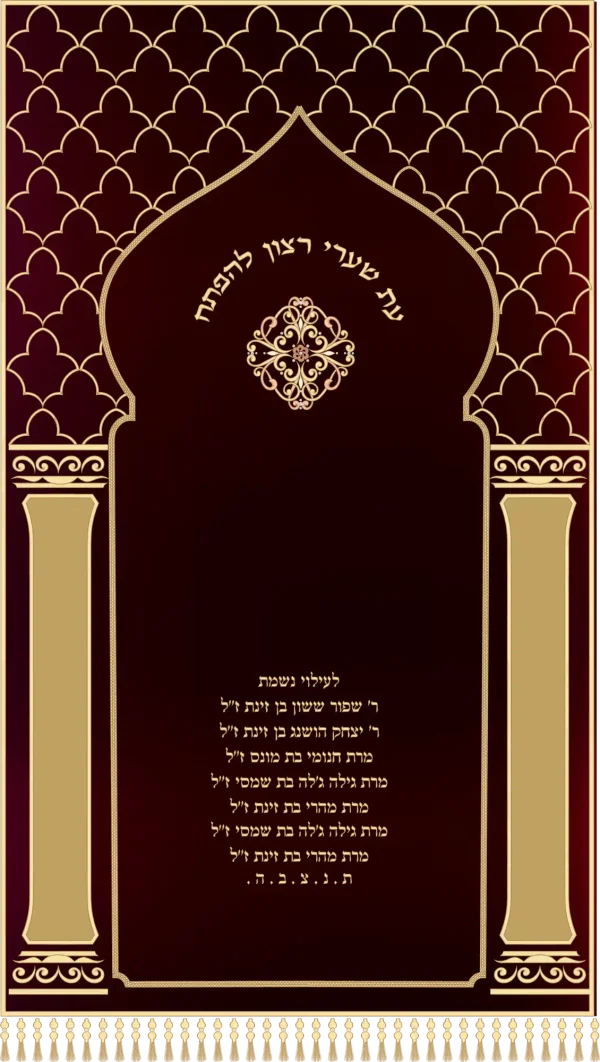
Parochet LeChagim (פרוכת לחגים): The Tradition of Festival Ark Curtains
A look at the parochet lechagim tradition - festival ark curtains that mark the Jewish holidays with fitting color and design.
פרוכות לארון קודש
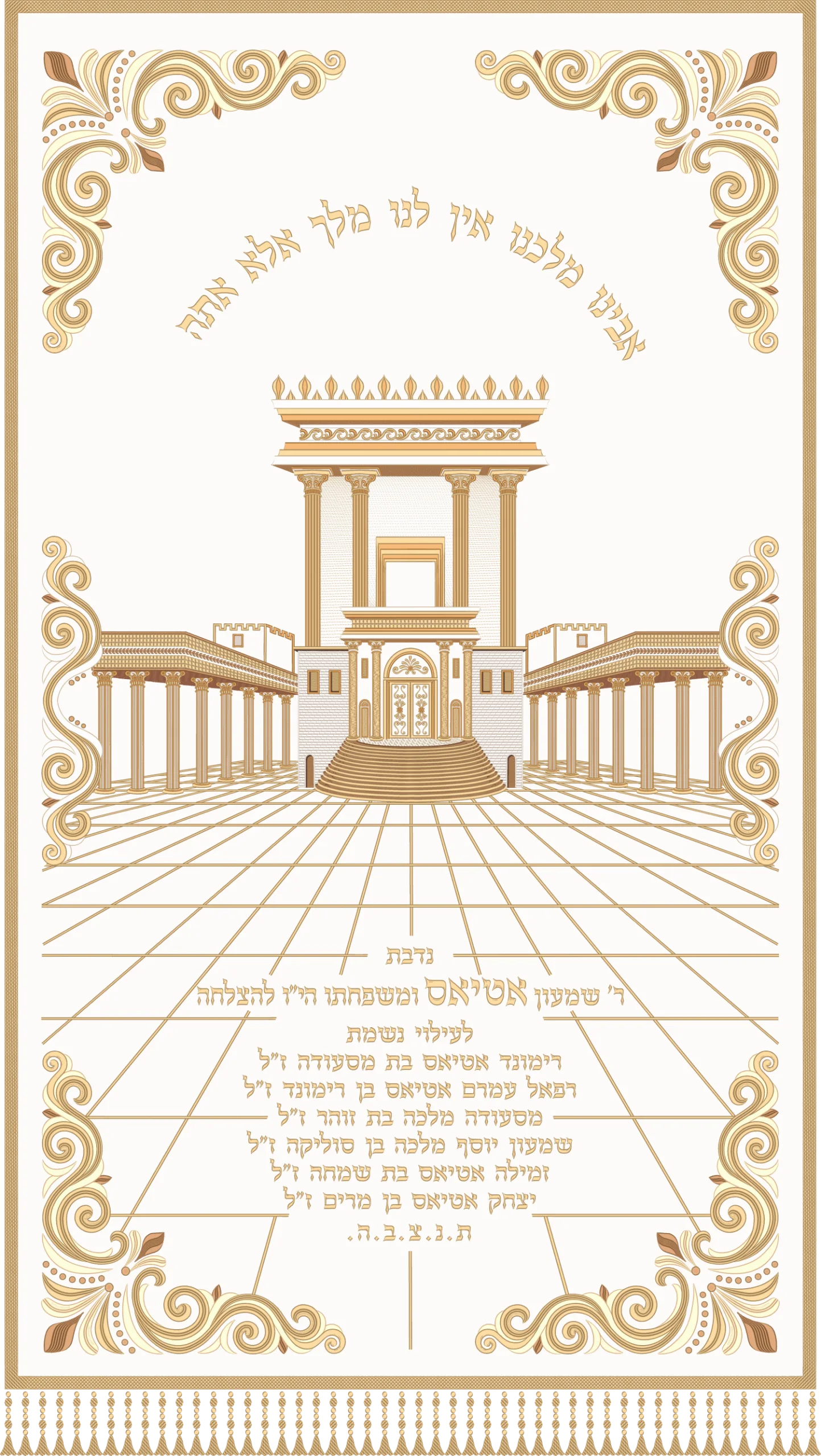
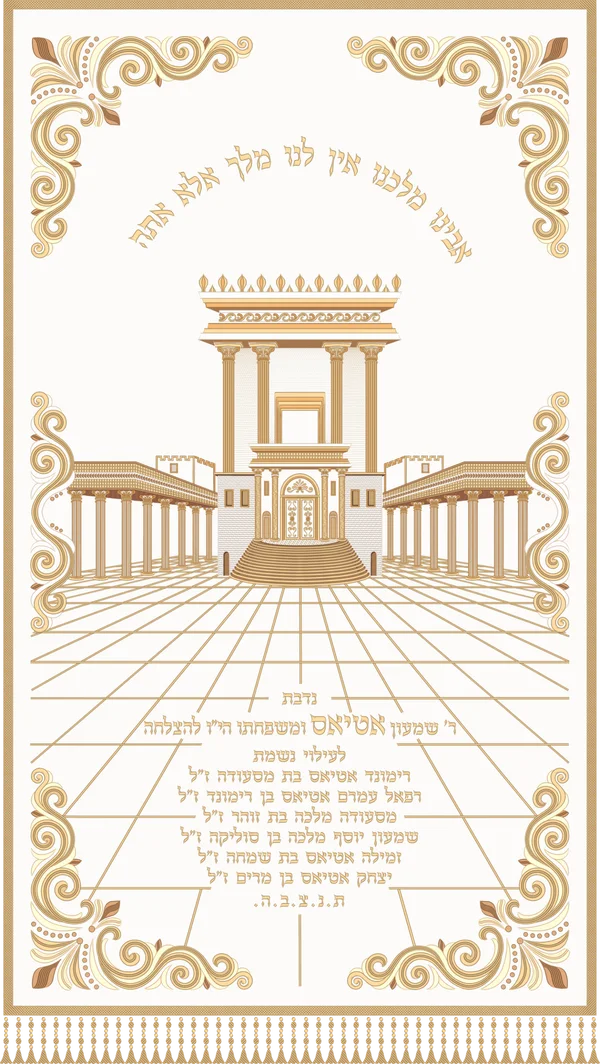
Parochet Dugma Beit HaMikdash (פרוכת דגם בית המקדש): A Guide to the Temple-Pattern Ark Curtain
Discover what a פרוכת דגם בית המקדש is, the Temple motifs it features, and how to choose the right design for your Aron Kodesh.