
פרוכות לארון קודש
Parochet LeSefer Torah (פרוכת לספר תורה): The Curtain That Honors the Torah Scroll
Discover what a פרוכת לספר תורה is, how it differs from a Torah mantle, and how to choose one with meaning, beauty, and lasting honor.
מערכת ארגמן · 24 באוקטובר 2026 · 4 דק׳ קריאה
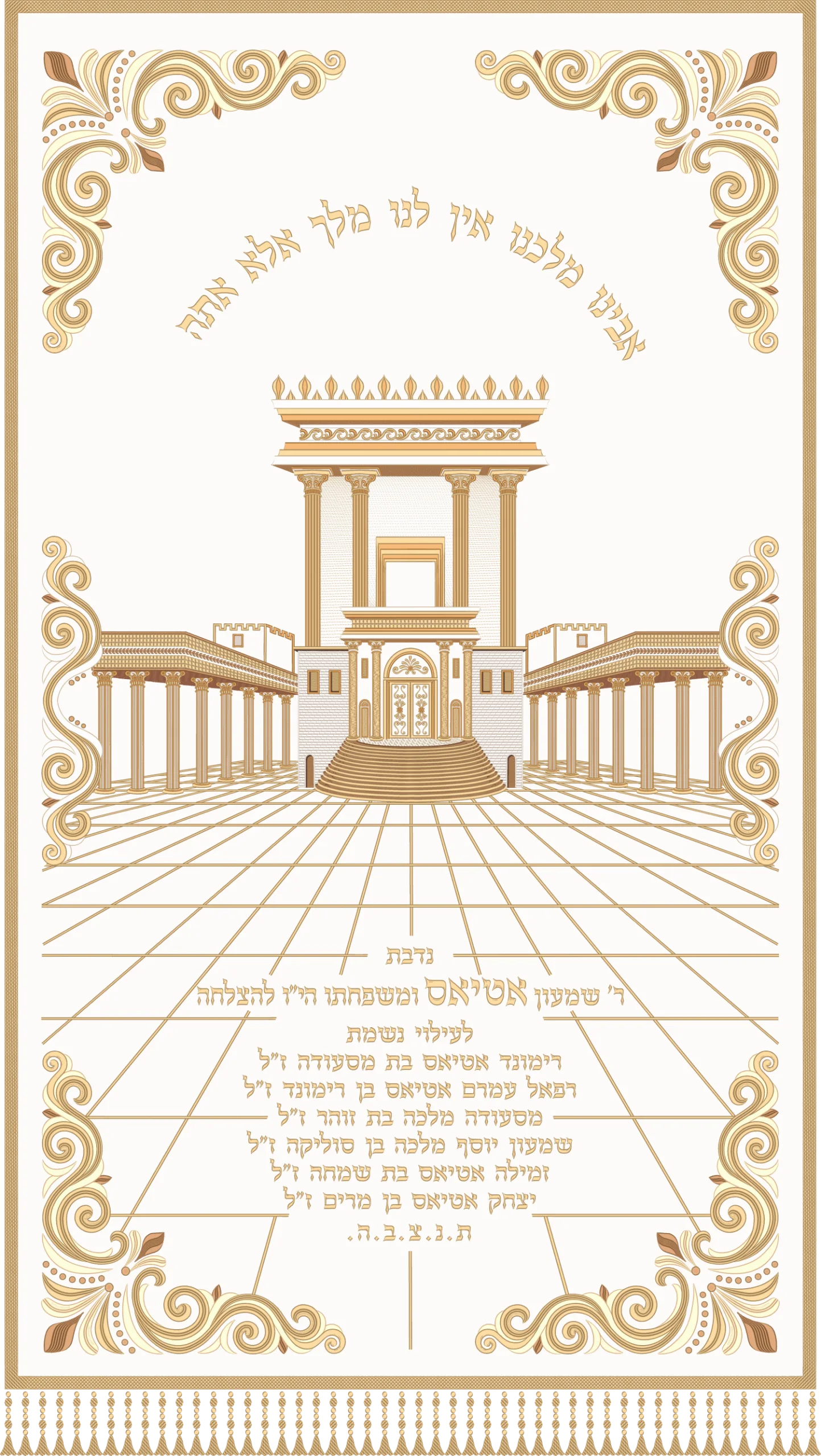
A parochet le-sefer Torah (פרוכת לספר תורה) is the embroidered curtain hung before the ark that holds the Torah scroll, marking the scroll's sanctity for everyone who enters the sanctuary. It is not the same as the me'il, the mantle that wraps directly around the scroll, yet both exist to honor the same sacred text. How a community chooses, designs, and maintains this curtain reflects the depth of respect it holds for the Torah within.
In Brief
- A parochet le-sefer Torah is the decorative curtain hung in front of, or just inside, the ark that holds the Torah scroll.
- It differs from the me'il, which is the fabric mantle wrapped directly around the scroll itself.
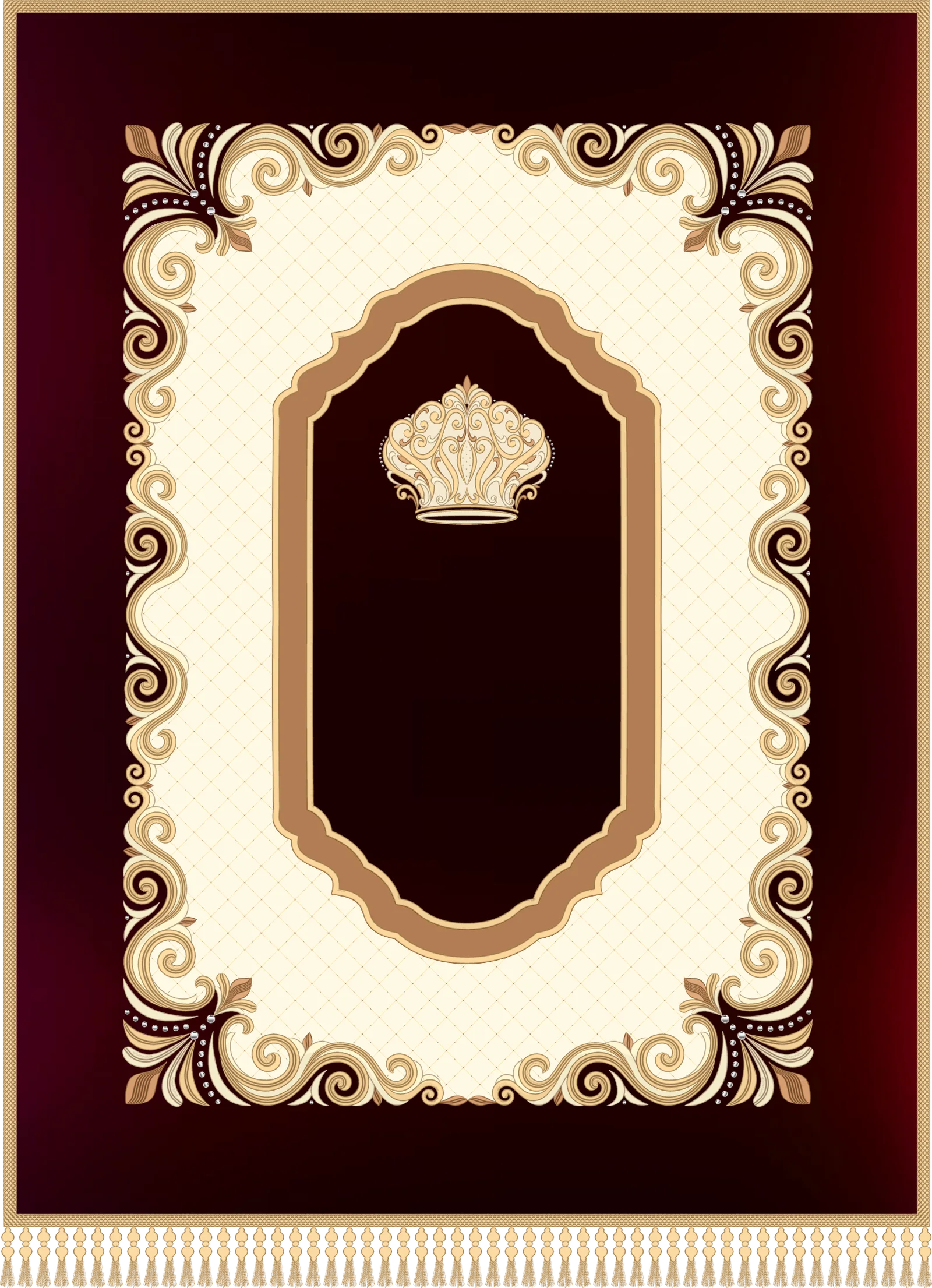
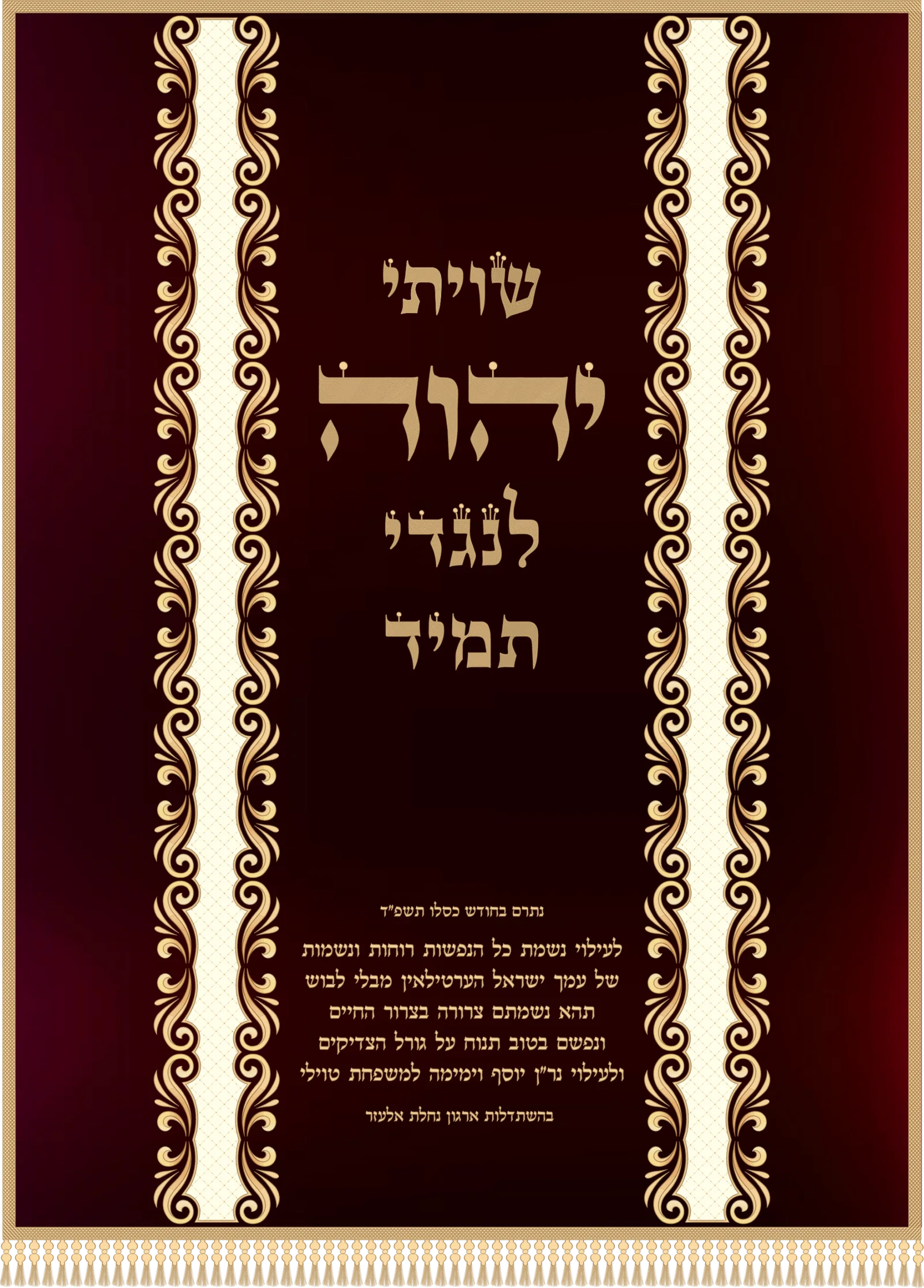
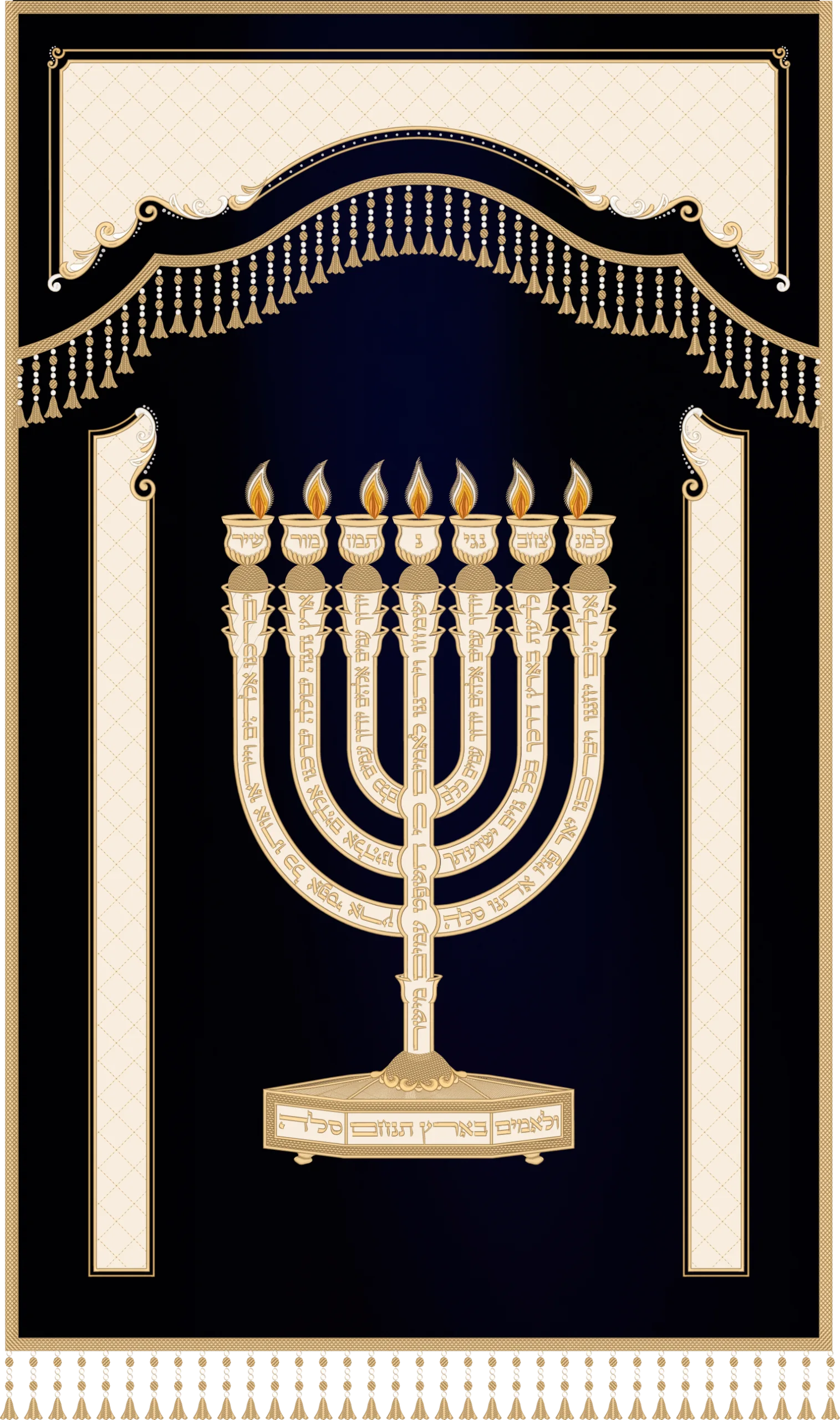
- Typical materials include velvet, silk, and brocade, often hand-embroidered with crowns, menorahs, or the Tablets of the Covenant.
- Many synagogues keep more than one parochet and rotate them for holidays, such as a white curtain for the Days of Awe.
What Is a Parochet LeSefer Torah (פרוכת לספר תורה)?
In practical terms, a parochet le-sefer Torah (פרוכת לספר תורה) is a panel of fabric, usually velvet, silk, or brocade, hung on or near the ark doors. Communities have dressed the entrance to the ark this way since Temple times, when a woven curtain separated the Holy of Holies from the rest of the sanctuary. The custom endures because the curtain does more than decorate; it creates a moment of pause before the ark is opened and the scroll is revealed.
Parochet vs. Me'il: Two Ways to Honor the Torah Scroll
A parochet le-sefer Torah and a me'il serve the same goal through different roles: one dresses the ark, the other dresses the scroll itself. Side by side, the differences are easier to see.
| Feature | Parochet | Me'il |
|---|---|---|
| Placement | Hangs in front of, or inside, the ark | Wrapped directly around the Torah scroll |
| Typical fabric | Velvet, silk, or brocade | Usually velvet or silk, sized to the scroll |
| Visible to | The congregation, at all times | Mainly seen when the scroll is carried or read |
| Common motifs | Crowns, menorahs, Tablets of the Covenant | Similar motifs, scaled to the scroll's size |
The Meaning Behind the Parochet LeSefer Torah
The meaning of a parochet le-sefer Torah (פרוכת לספר תורה) goes beyond ornamentation. Jewish tradition traces the custom to the curtain that stood before the Holy of Holies in the Temple in Jerusalem, a connection discussed in sources such as the Torah ark entry on Wikipedia. By echoing that ancient curtain, a synagogue's ark covering links the local community to a far older story of sanctity and concealment. At Hichala (היכלא), each curtain is hand-embroidered with that history in mind, so the stitching itself becomes part of the honor shown to the Torah.
Choosing a Parochet LeSefer Torah for Your Synagogue
Choosing a parochet le-sefer Torah (פרוכת לספר תורה) starts with the ark itself: its measurements, its doors, and the colors already present in the sanctuary. A few practical questions help narrow the options.
- Size and fit: Measure the ark opening carefully so the curtain hangs evenly and the embroidery is centered rather than cropped.
- Fabric and weight: Velvet holds embroidery well and drapes with dignity, while silk and brocade can lend a lighter, more luminous look.
- Symbolism: A design such as a crowned ark curtain or one built around peace and unity, like a Sim Shalom parochet, can reflect a congregation's character.
- Occasion: Many communities keep a festive everyday curtain and a separate white one for the Days of Awe, rotating them as the calendar changes.
Browsing our gallery of parochot before deciding is a useful way to see how different fabrics, colors, and embroidery styles translate from a screen into an actual sanctuary.
Frequently Asked Questions
What is the difference between a parochet and a me'il?
A parochet hangs in front of the ark, while a me'il is the mantle sewn to fit directly over the Torah scroll; the two often share motifs but cover different parts of the same sanctuary.
Does a parochet need to match the ark's woodwork or colors?
There is no strict rule, though many communities choose fabric tones and embroidery that complement the ark's finish and the sanctuary's overall palette for a harmonious look.
How often should a parochet le-sefer Torah (פרוכת לספר תורה) be replaced?
There is no fixed timetable; most congregations replace or refresh the curtain when the fabric shows wear, the embroidery fades, or the community wants to mark an occasion with a new dedication.
Whether understated or richly embroidered, a parochet le-sefer Torah (פרוכת לספר תורה) remains one of the most visible ways a community expresses honor for the Torah scroll it shelters. Choosing one thoughtfully, with attention to size, fabric, and meaning, lets that honor be felt the moment the ark is seen.
עוד מהעולם של ארגמן
פרוכות לארון קודש
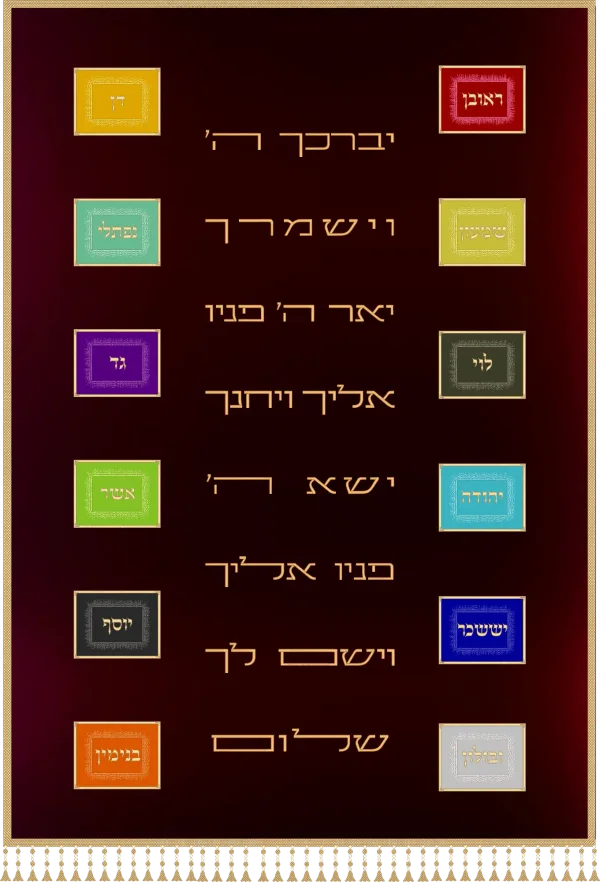
Parochet Shvatim (פרוכת שבטים): The Ark Curtain That Unites the Twelve Tribes of Israel
פרוכת שבטים curtains embroider the Twelve Tribes of Israel, bringing unity, heritage, and beauty to the synagogue's aron kodesh.
פרוכות לארון קודש
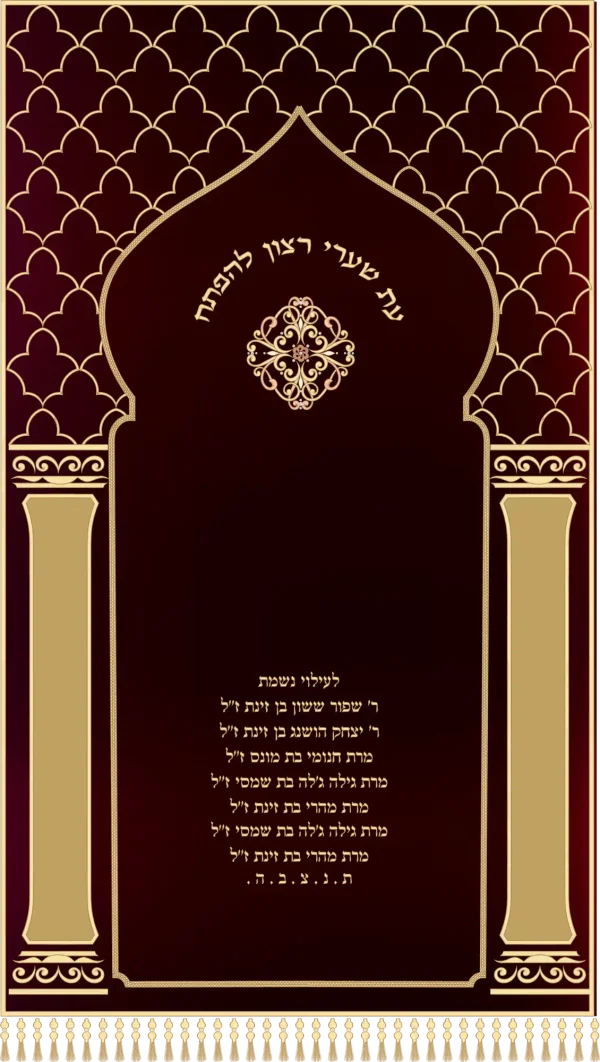
Parochet LeChagim (פרוכת לחגים): The Tradition of Festival Ark Curtains
A look at the parochet lechagim tradition - festival ark curtains that mark the Jewish holidays with fitting color and design.
פרוכות לארון קודש
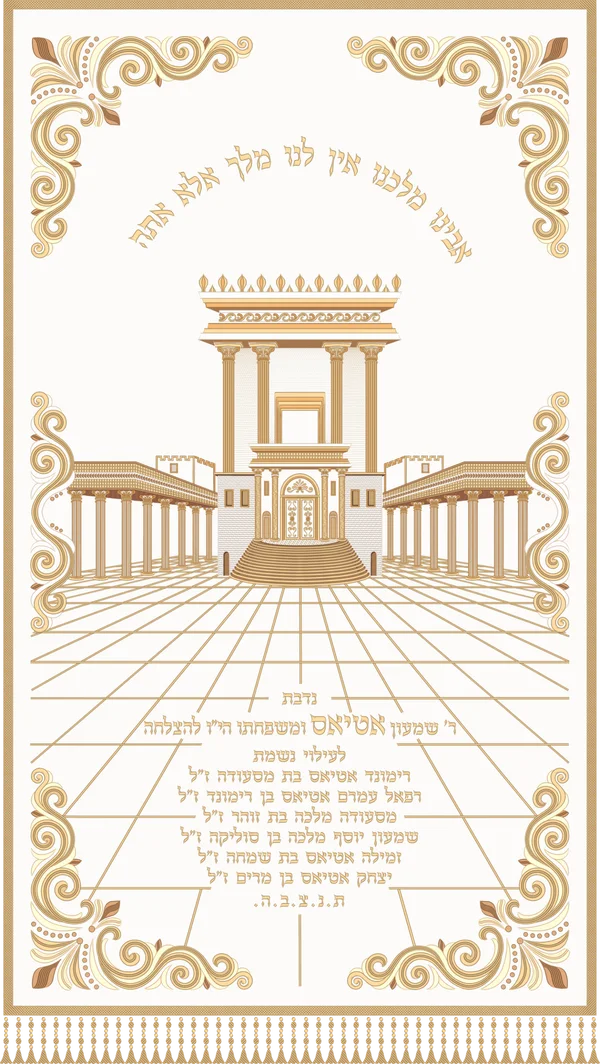
Parochet Dugma Beit HaMikdash (פרוכת דגם בית המקדש): A Guide to the Temple-Pattern Ark Curtain
Discover what a פרוכת דגם בית המקדש is, the Temple motifs it features, and how to choose the right design for your Aron Kodesh.