פרוכות לארון קודש
Mif'al LeYitzur Parochot (מפעל לייצור פרוכות): The Journey From Sketch to Sacred Curtain
A look inside a mif'al leyitzur parochot (מפעל לייצור פרוכות) — how design, fabric, and embroidery become a finished ark curtain.
מערכת ארגמן · 13 בנובמבר 2026 · 5 דק׳ קריאה
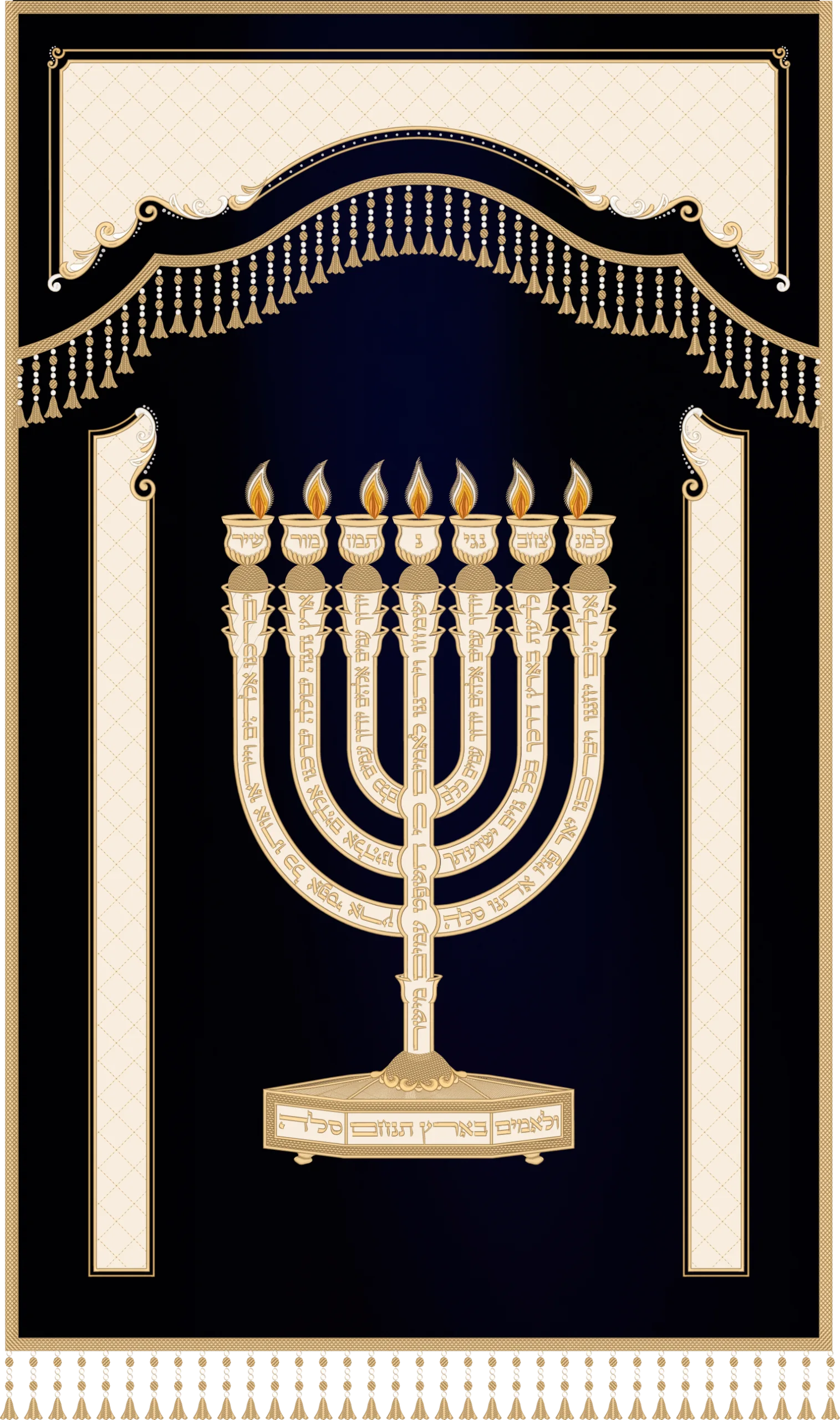
A mif'al leyitzur parochot (מפעל לייצור פרוכות) is a specialized workshop that designs, embroiders, and assembles the ornamental curtain hung before the Torah ark. Rather than printing an image onto fabric, a true parochet workshop plans every motif, selects the fabric and thread, and builds the curtain by hand from the first sketch to the final hem. Understanding how this process actually works can help a congregation or family choose a parochet that will honor the aron hakodesh for years to come.
In brief
- A mif'al leyitzur parochot (מפעל לייצור פרוכות) manages every stage of making an ark curtain, from the initial design sketch to the finished, lined textile ready for hanging.
- Most workshops combine hand embroidery with machine techniques, choosing the method according to the fineness of the motif and the budget involved.
- Fabric, thread quality, and the complexity of symbols such as the Tablets of the Covenant or a menorah are the main factors that shape both the timeline and the finished look.
- A dedication inscription is usually one of the last elements added, turning the parochet into a lasting memorial or gift to the synagogue.
What Is a Mif'al LeYitzur Parochot (מפעל לייצור פרוכות)?
A mif'al leyitzur parochot is, literally, a "factory for producing parochot" – in practice, a dedicated workshop rather than an assembly line. It brings together a designer who sketches the layout, an embroiderer who executes the artwork, and a finisher who assembles the lining, trim, and rings that let the curtain hang properly in front of the ark doors. Because a parochet faces the Torah and the congregation each time the ark is opened, read more in our post about the meaning of the Torah ark – workshops in this field tend to follow careful, unhurried routines rather than rushing a piece to completion.
Inside the Workshop: Stages of Production
Every mif'al leyitzur parochot (מפעל לייצור פרוכות) follows a similar sequence of steps, even if the exact order or terminology differs from one workshop to another.
| Stage | What Happens |
|---|---|
| Design & Consultation | The client's wishes, synagogue colors, and preferred symbols are translated into a sketch. |
| Fabric & Thread Selection | Base fabric, backing, and metallic or silk threads are chosen to match the design. |
| Embroidery | Motifs are stitched by hand, by machine, or through a combination of both methods. |
| Assembly & Lining | The embroidered panel is lined, trimmed, and fitted with rings or a rod pocket. |
| Dedication & Finishing | A dedication inscription or name plaque is added before the parochet is delivered. |
Hand Embroidery and Machine Work
Hand embroidery and machine embroidery are not competitors so much as two tools a skilled workshop uses side by side, depending on what a design calls for.
- Hand embroidery allows fine shading and raised, three-dimensional detail on elements like a crown, a pair of lions, or ornate corner work.
- Machine embroidery can reproduce intricate lettering or repeated patterns with consistent results across a large panel.
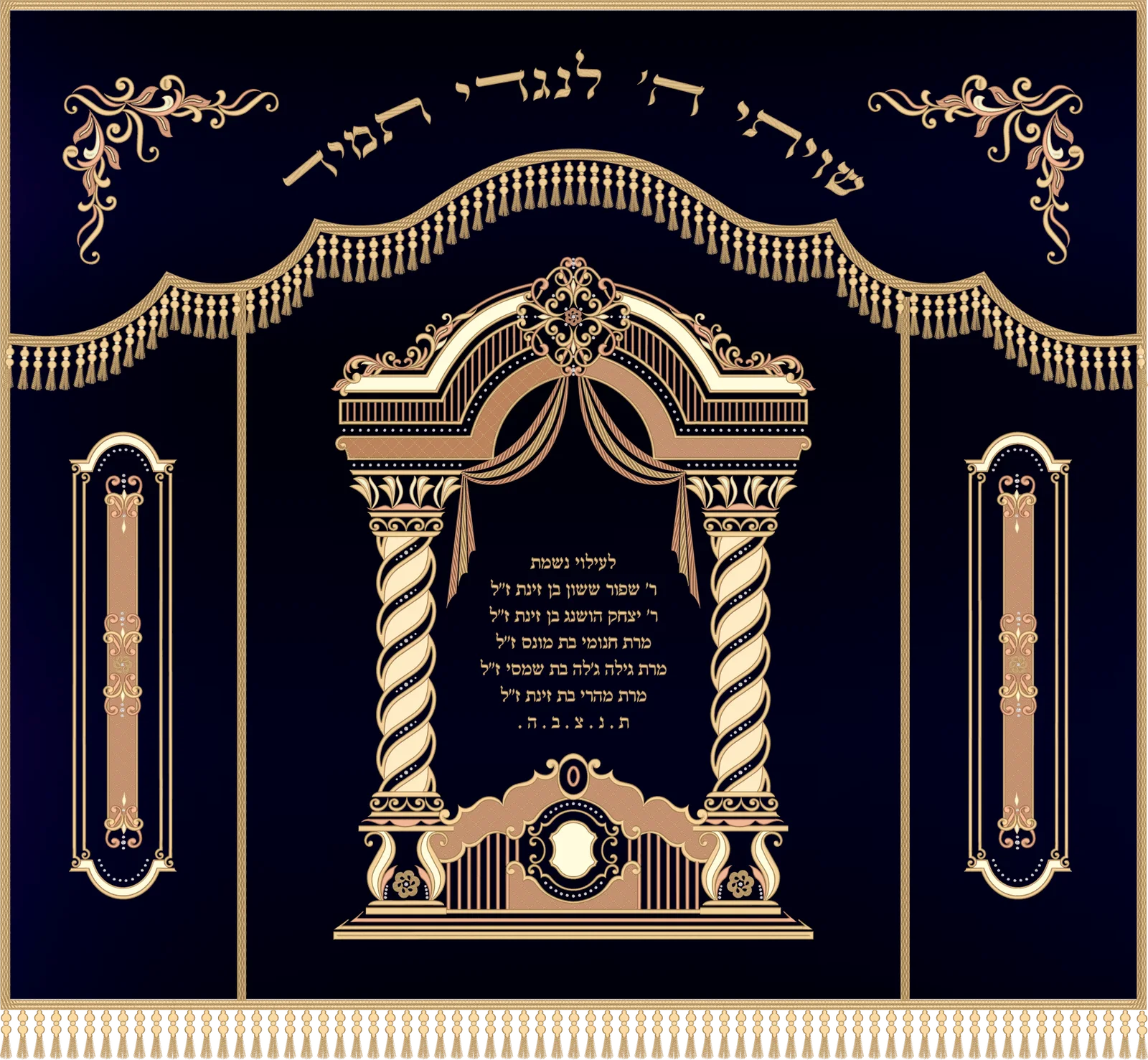
- Many finished curtains, such as a frame design combined with genuine leather, blend both techniques within a single piece for a layered, textured result.
Choosing Symbols and Fabrics That Reflect Your Congregation
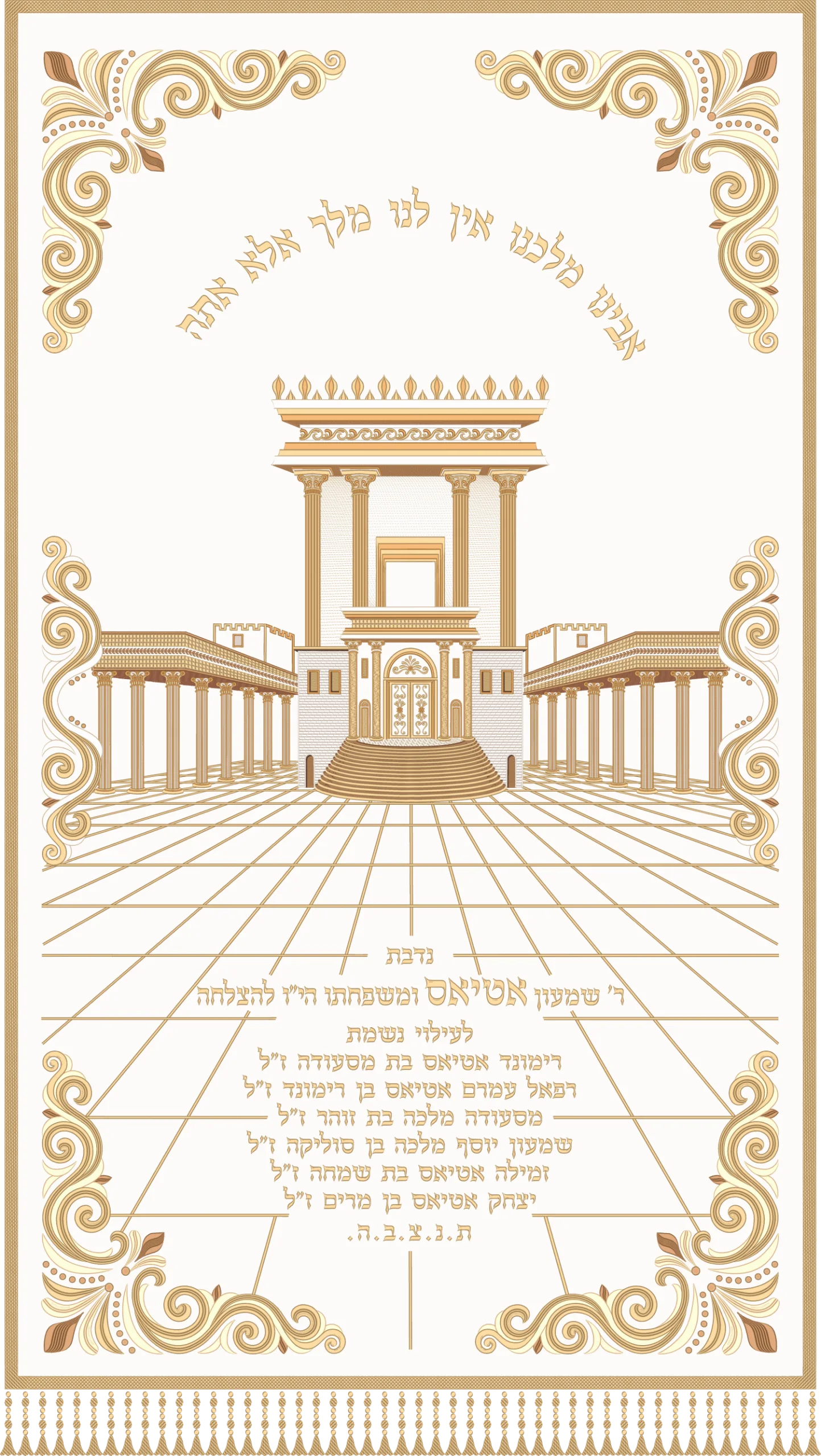
The custom of beautifying objects used in a mitzvah, sometimes called hiddur mitzvah, is part of why so many communities invest real thought into the parochet's design rather than choosing the simplest option. You can read a general overview of this idea in this explanation of hiddur mitzvah. A workshop can draw on Temple imagery, verses, a community's tribe or symbol, or a design built around a specific dedication, as shown in pieces like a Temple-themed ark curtain. For more visual examples of how these motifs come together, browse our gallery of parochot before meeting with a designer.
Why the Right Workshop Matters
The right workshop matters because a parochet is meant to last for decades, often outliving the people who commissioned it. Workshops such as Hichala (היכלא) specialize in hand embroidery for ark curtains, and taking time to discuss fabric, symbols, and sizing before production begins helps ensure the finished piece matches both the sanctuary's style and its meaning. A thoughtful mif'al leyitzur parochot will also walk a client through care instructions, since embroidered fabric and metallic thread age differently than printed textiles.
Frequently Asked Questions
How long does it take a parochet workshop to finish a curtain?
Timelines vary by workshop and by the complexity of the design, since hand-embroidered detail and personalized dedication text each add their own production time.
Can a mif'al leyitzur parochot create a fully custom design?
Yes; most workshops welcome custom requests and will sketch a design based on the synagogue's colors, symbols, and dedication wishes before any stitching begins.
What is the difference between a workshop-made parochet and a ready-made one?
A ready-made parochet is chosen from existing stock, while a workshop builds the piece to order, giving more control over fabric, size, symbols, and personalization.
Choosing a mif'al leyitzur parochot (מפעל לייצור פרוכות) is really a choice about how a sanctuary will look and feel for the next generation of worshippers. From the first sketch to the final dedication stitch, each stage shapes a curtain that honors the Torah scroll and the community that commissioned it.
עוד מהעולם של ארגמן
פרוכות לארון קודש
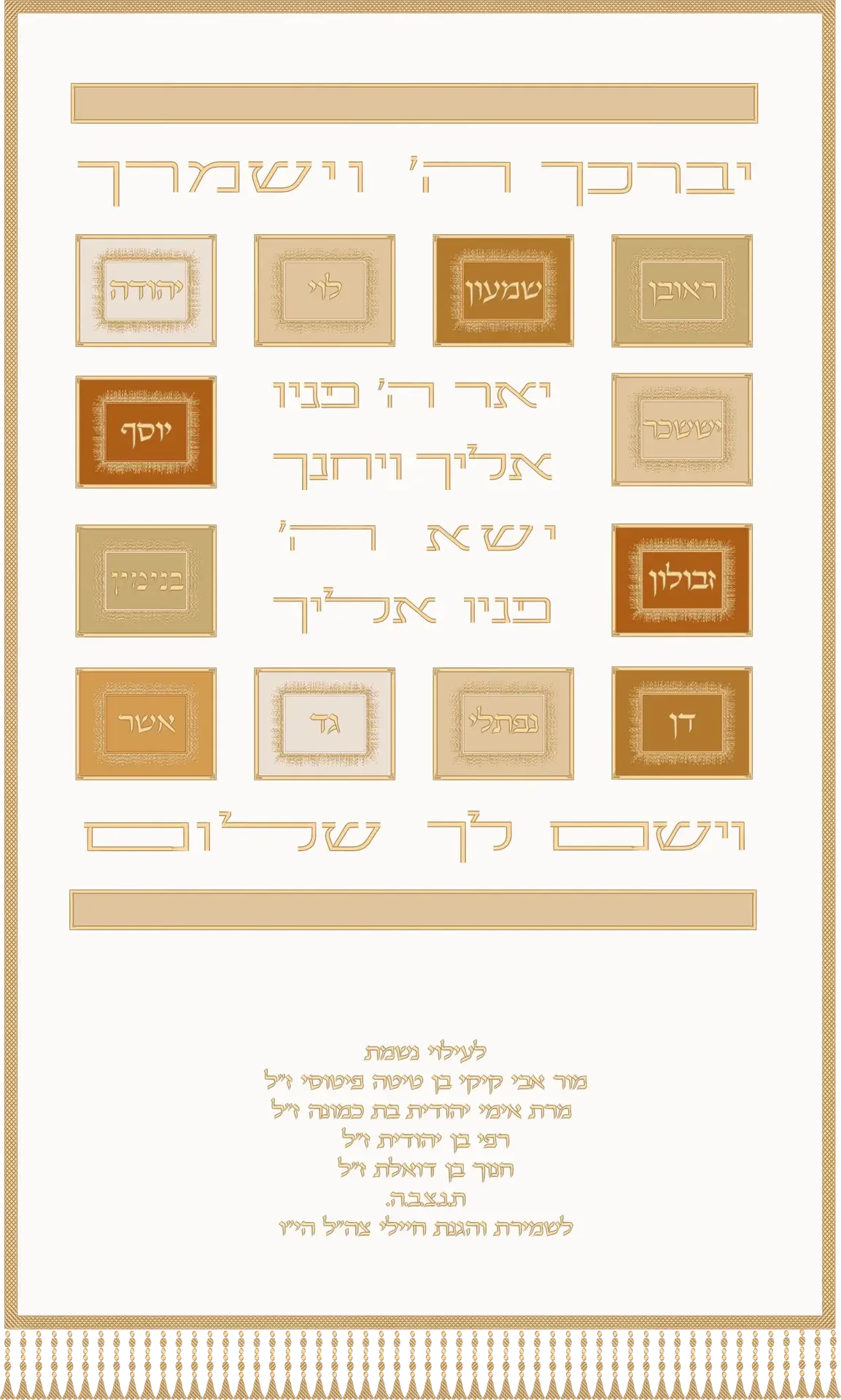
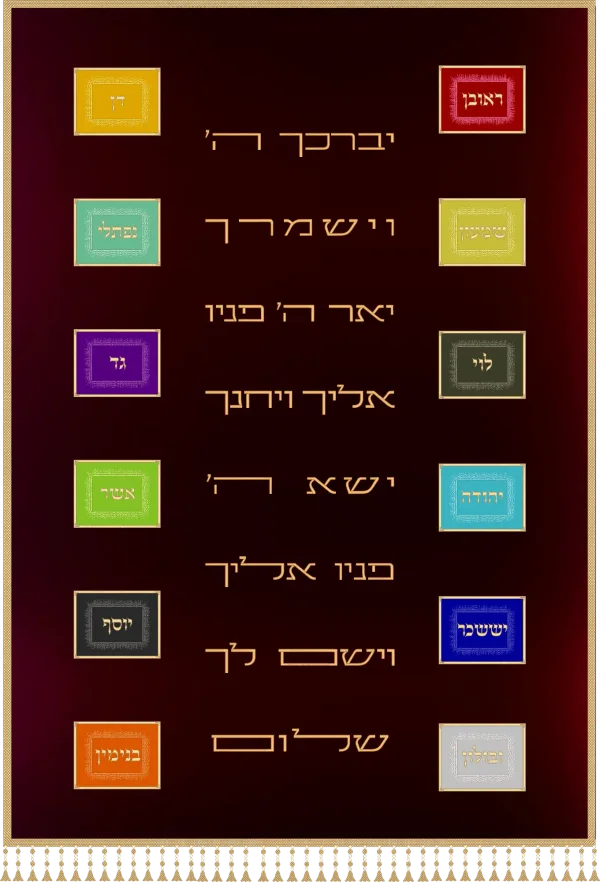
Parochet Shvatim (פרוכת שבטים): The Ark Curtain That Unites the Twelve Tribes of Israel
פרוכת שבטים curtains embroider the Twelve Tribes of Israel, bringing unity, heritage, and beauty to the synagogue's aron kodesh.
פרוכות לארון קודש
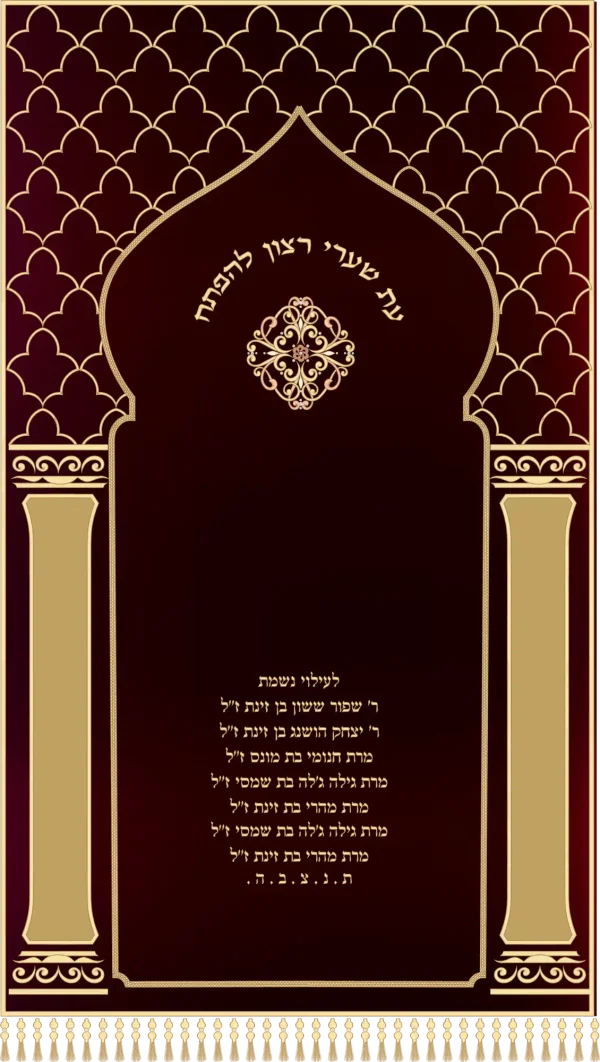
Parochet LeChagim (פרוכת לחגים): The Tradition of Festival Ark Curtains
A look at the parochet lechagim tradition - festival ark curtains that mark the Jewish holidays with fitting color and design.
פרוכות לארון קודש
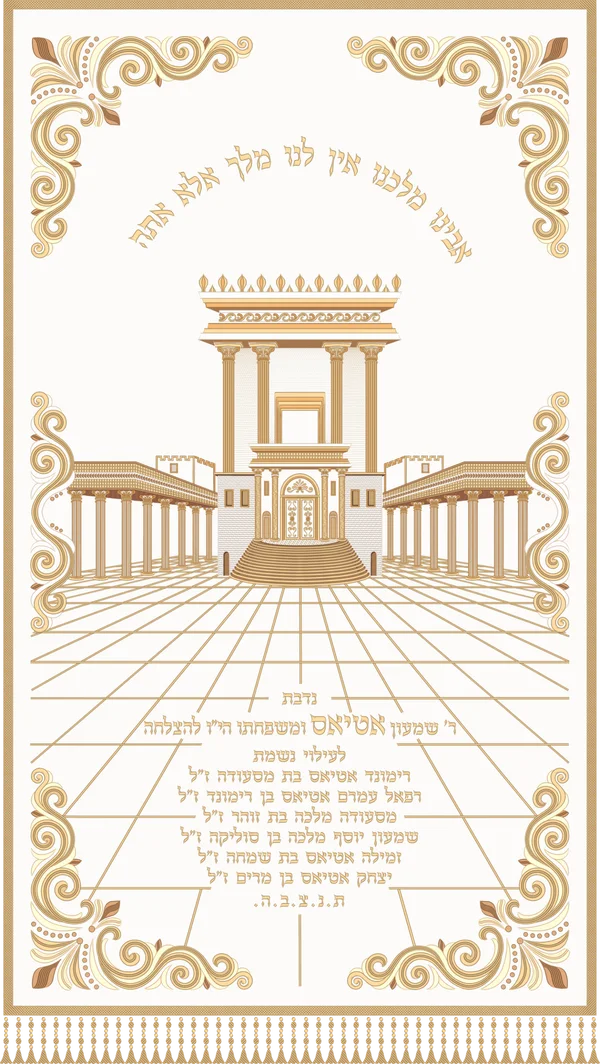
Parochet Dugma Beit HaMikdash (פרוכת דגם בית המקדש): A Guide to the Temple-Pattern Ark Curtain
Discover what a פרוכת דגם בית המקדש is, the Temple motifs it features, and how to choose the right design for your Aron Kodesh.