
עיצובי פרוכות
The Evolution of Traditional Canopy Design Across Cultures (עיצוב חופה מסורתית)
מערכת ארגמן · 18 במרץ 2026 · 4 דק׳ קריאה

From ancient ceremonial spaces to modern outdoor décor, traditional canopy design has long reflected the cultural identity, climate needs, and artistic values of societies around the world. These elegant overhead structures — whether made of fabric, wood, bamboo, or metal — have served both functional and symbolic purposes across centuries. Today, brands like Hichala draw inspiration from this rich heritage, blending timeless craftsmanship with contemporary aesthetics.
Origins of Traditional Canopy Design
The roots of traditional canopy design can be traced back thousands of years. Early civilizations used canopies as a practical solution to shield people from harsh sunlight, rain, and wind. However, their role quickly evolved beyond mere protection.
In ancient Egypt, canopies symbolized divinity and authority. Pharaohs were often depicted seated beneath ornate coverings, emphasizing their connection to the gods. Similarly, in Mesopotamia and Persia, elaborately decorated canopies were used in royal courts and religious ceremonies.
In India, the concept of the “chhatri” (meaning umbrella or canopy) became deeply embedded in architectural and cultural traditions. These domed structures were often used in palaces, temples, and memorial sites, symbolizing honor and protection.
Cultural Interpretations Across Regions
Asia: Harmony with Nature
In many Asian cultures, traditional canopy design reflects a deep respect for nature. In countries like Japan and China, canopies were often constructed using natural materials such as bamboo, silk, and paper.
Japanese tea gardens, for example, feature simple yet refined canopy structures that provide shade while maintaining a sense of openness. The design philosophy emphasizes minimalism, balance, and harmony — key principles that continue to influence modern canopy styles.
In Southeast Asia, tropical climates led to the development of lightweight, ventilated canopy structures. These were commonly used in homes, marketplaces, and ceremonial spaces, allowing air to flow freely while offering protection from intense heat and rainfall.
Middle East: Opulence and Functionality
In the Middle East, traditional canopy design often combined luxury with practicality. Desert environments required effective shading solutions, leading to the use of thick fabrics and layered textiles.
Bedouin tents are a prime example — crafted from woven goat hair, they provided insulation against both heat and cold. These canopies were not only functional but also served as social spaces for gatherings and storytelling.
In more urban settings, richly embroidered canopies adorned courtyards and marketplaces, showcasing intricate patterns and vibrant colors that reflected regional artistry.
Europe: Elegance and Ceremony
European interpretations of traditional canopy design leaned heavily toward elegance and ceremony. During the Renaissance and Baroque periods, canopies became symbols of wealth and status.
Four-poster beds with heavy draped canopies were common among nobility, offering warmth and privacy in drafty castles. Outdoor canopies were also used in royal events, religious processions, and public celebrations.
In Mediterranean regions, lighter fabric canopies were used in courtyards and terraces, creating shaded retreats that encouraged social interaction and relaxation.
Africa: Community and Craftsmanship
Across Africa, traditional canopy design often reflects community living and resourcefulness. Materials such as palm leaves, reeds, and woven grasses were commonly used to create durable and breathable coverings.
In many regions, canopies played a central role in communal gatherings, ceremonies, and markets. The designs often featured bold patterns and textures, representing local traditions and storytelling.
These structures were typically easy to assemble and disassemble, making them ideal for nomadic lifestyles and seasonal changes.
Symbolism in Traditional Canopy Design
Beyond their practical uses, canopies have carried deep symbolic meanings across cultures. They often represent:
- Protection and shelter — both physical and spiritual
- Status and authority — particularly in royal and religious contexts
- Celebration and unity — used in weddings, festivals, and communal events
For example, wedding canopies in various cultures — such as mandaps in India or chuppahs in Jewish traditions — symbolize the home a couple will build together. These structures are often richly decorated, reflecting joy, prosperity, and cultural identity.
Materials and Craft Techniques
The evolution of traditional canopy design is closely tied to the availability of materials and advancements in craftsmanship.
- Natural fibers like cotton, silk, and wool were widely used for their breathability and aesthetic appeal.
- Wood and bamboo provided structural support while maintaining a connection to nature.
- Metal frameworks emerged later, offering greater durability and flexibility in design.
- Handcrafted details — such as embroidery, weaving, and carving — added uniqueness to each canopy. These artisanal techniques were often passed down through generations, preserving cultural heritage.
Transition to Modern Designs
As societies evolved, so did canopy designs. Industrialization introduced new materials like steel, aluminum, and synthetic fabrics, making canopies more accessible and versatile.
However, the essence of traditional canopy design remains influential. Modern designers continue to draw ins
עוד מהעולם של ארגמן
עיצובי פרוכות
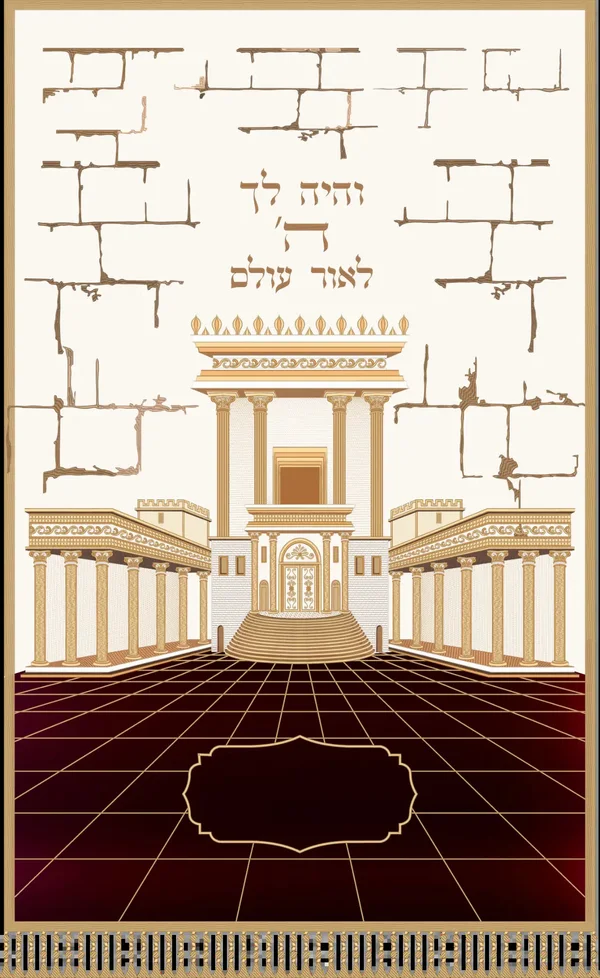
Luxury Holy Temple Parochet: (פרוכת בית מקדש מפואר)A Symbol of Majesty and Spiritual Beauty
פרוכת המשלבת פאר, מסורת וקדושה בית הכנסת הוא מקום שבו מסורת, אמונה ויופי נפגשים. אחד המרכיבים הבולטים והמרכזיים בעיצוב ארון הקודש הוא הפרוכת, המעניקה לחלל מראה מכובד, מרשים ורוחני…

עיצובי פרוכות
Golden Leaf Gate Parochet – Elegance and Holiness for Every Synagogue
פרוכת שער עלי זהב – שילוב מושלם של יוקרה, קדושה ואומנות בית הכנסת הוא מקום של קדושה, תפילה וחיבור למסורת ישראל. אחד האלמנטים המרכזיים המעניקים לארון הקודש מראה מכובד ומרשים הוא פר…
עיצובי פרוכות
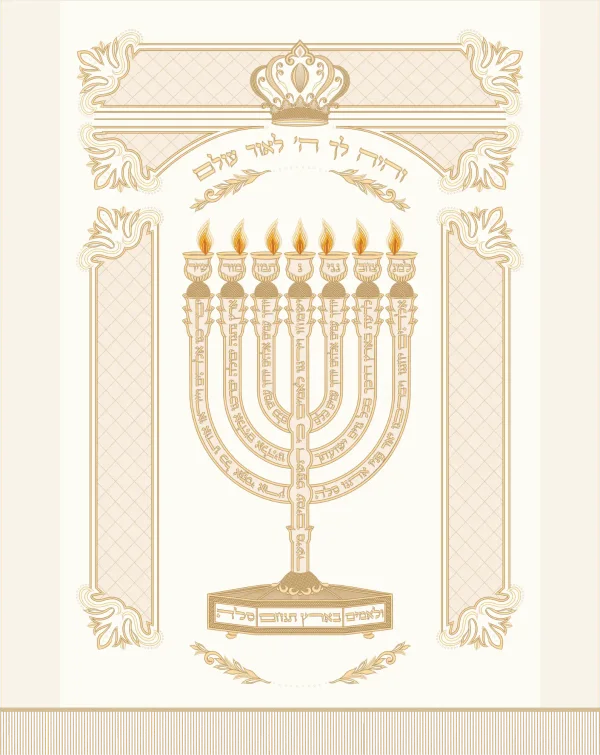
The Beauty and Spiritual Significance of the ינוקא Menorah Parochet (פרוכת מנורת הינוקא)
, כבוד לתורה והמשכיות המסורת היהודית. בבית הכנסת, הפרוכת מכסה את ארון הקודש ומעניקה לו מראה מכובד ומרשים, תוך שהיא יוצרת אווירה רוחנית ומעוררת השראה. בהיכלא, כל פרוכת מיוצרת מתוך…