
פרוכות לארון קודש
Parochet Aron Kodesh (פרוכת ארון קודש): Choosing and Dedicating the Ark Curtain as a Congregation
A warm, practical guide to choosing, designing, and dedicating a פרוכת ארון קודש as a meaningful shared project for any congregation.
מערכת ארגמן · 31 באוקטובר 2026 · 5 דק׳ קריאה
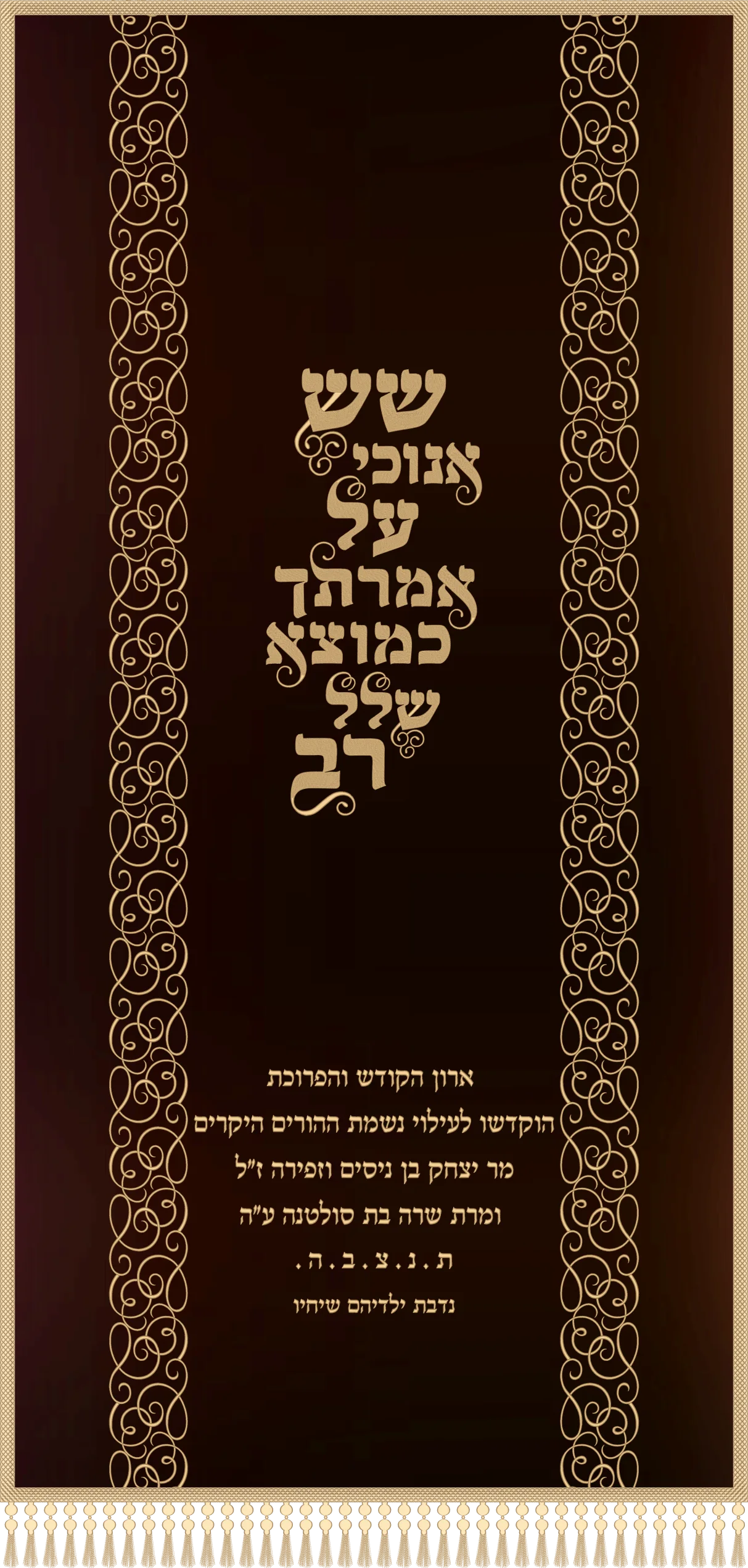
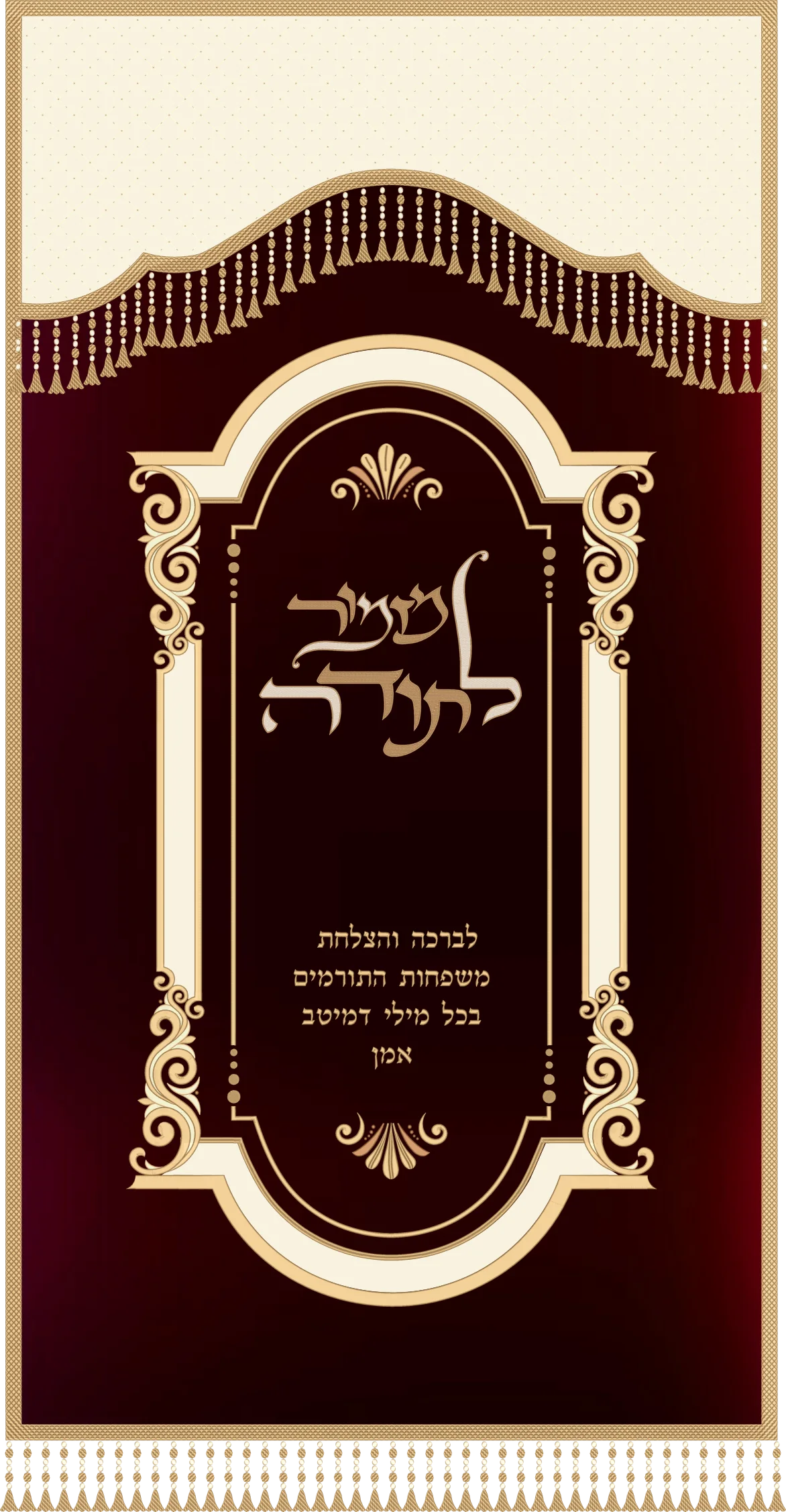
A פרוכת ארון קודש is the embroidered curtain that hangs over or inside the Torah ark, marking the sacred space where the Torah scrolls rest and honoring them each time the ark is opened. Beyond its practical role of covering the ark, it is one of the most visible elements of a sanctuary's interior, which is why many congregations treat choosing one as a shared, meaningful project. Because the curtain is seen at every service, the decisions behind it – fabric, symbolism, and dedication – can reflect a community's story for generations.
In Brief
- A פרוכת ארון קודש is the ceremonial curtain placed over the Torah ark, separating and honoring the space where the scrolls are kept.
- Congregations usually choose a new ark curtain through a small committee that weighs design, fabric, symbolism, and budget together.
- Dedicating a פרוכת ארון קודש in memory or in honor of someone is a widely practiced way for families to give a lasting gift to their synagogue.
- The curtain's design, from Temple imagery to the Twelve Tribes, often mirrors the congregation's heritage and the occasion it was created to mark.
What Is a Parochet Aron Kodesh (פרוכת ארון קודש)?
A parochet is the curtain that covers the Torah ark (aron kodesh), the cabinet where Torah scrolls are stored at the front of a synagogue. The custom traces back to the curtain that separated the Holy of Holies in the Temple in Jerusalem, and many congregations choose imagery that recalls that memory. While the Torah ark itself is usually built into the sanctuary's architecture, the parochet is textile – which means it can be replaced, renewed, or dedicated far more easily than the ark structure, making it a natural focus for community giving.
Why Communities Choose a New Ark Curtain Together
Choosing a new פרוכת ארון קודש is rarely a single person's decision. Because the curtain faces the entire congregation at every service, most synagogues form a small committee to gather opinions on color, fabric, and symbolism before approaching a workshop like Hichala (היכלא) to bring the design to life. This shared process helps the final curtain feel like it belongs to the whole community rather than to any one donor.
Common considerations include:
- Which colors and fabrics suit the sanctuary's existing decor and the congregation's traditions.
- Whether the design should echo a specific theme, such as the Temple in Jerusalem or the Twelve Tribes.
- How visible lettering or calligraphy should be, since many congregations like a verse that can be read from the seats.
- Whether the curtain will be used year-round or reserved for specific holidays.
Popular Design Themes for a Parochet Aron Kodesh
Most ark curtains draw on a small set of enduring symbols, each carrying its own layer of meaning. The table below outlines a few themes congregations often weigh when commissioning a new piece.
| Theme | Symbolism | Example |
|---|---|---|
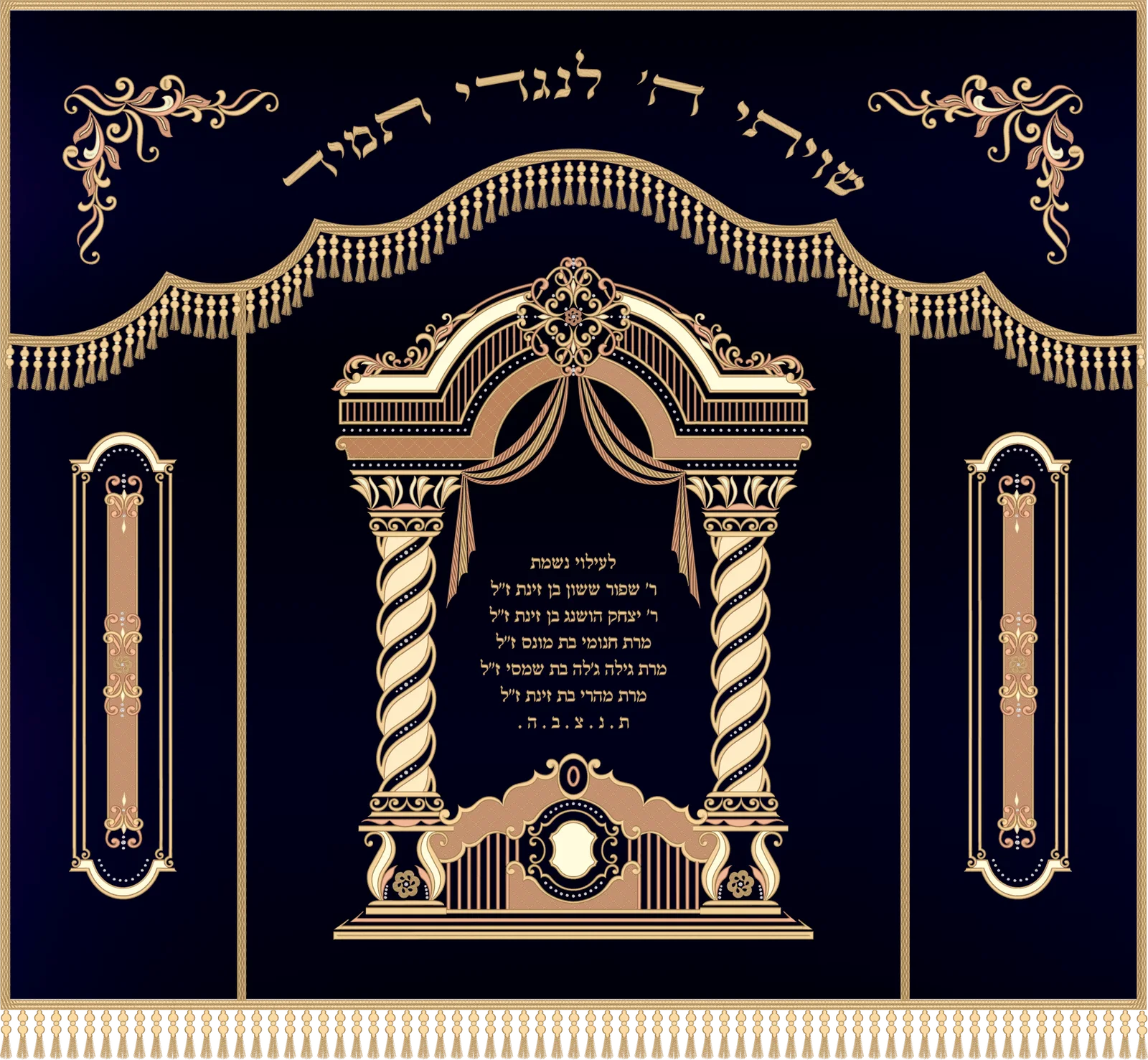
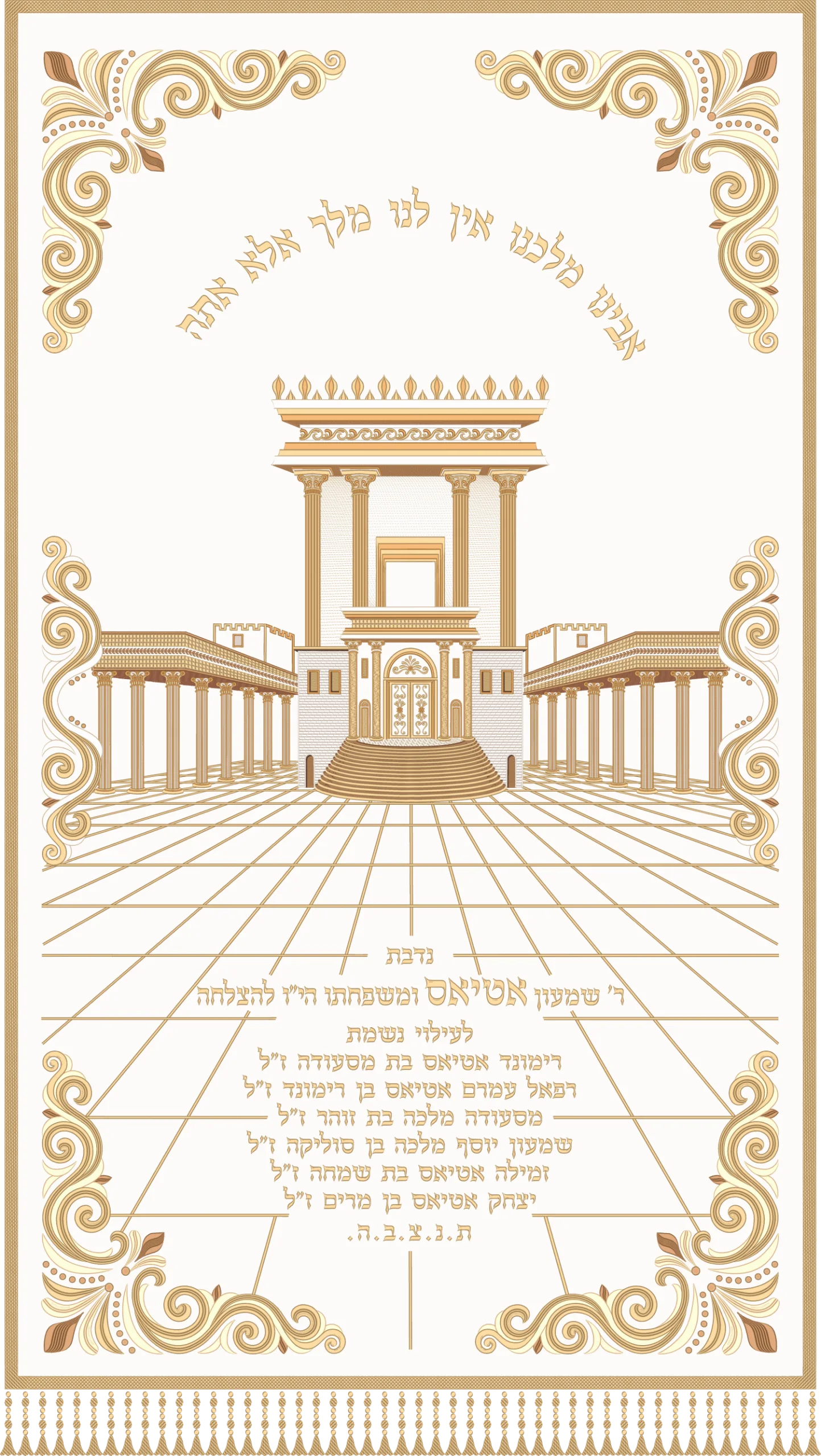
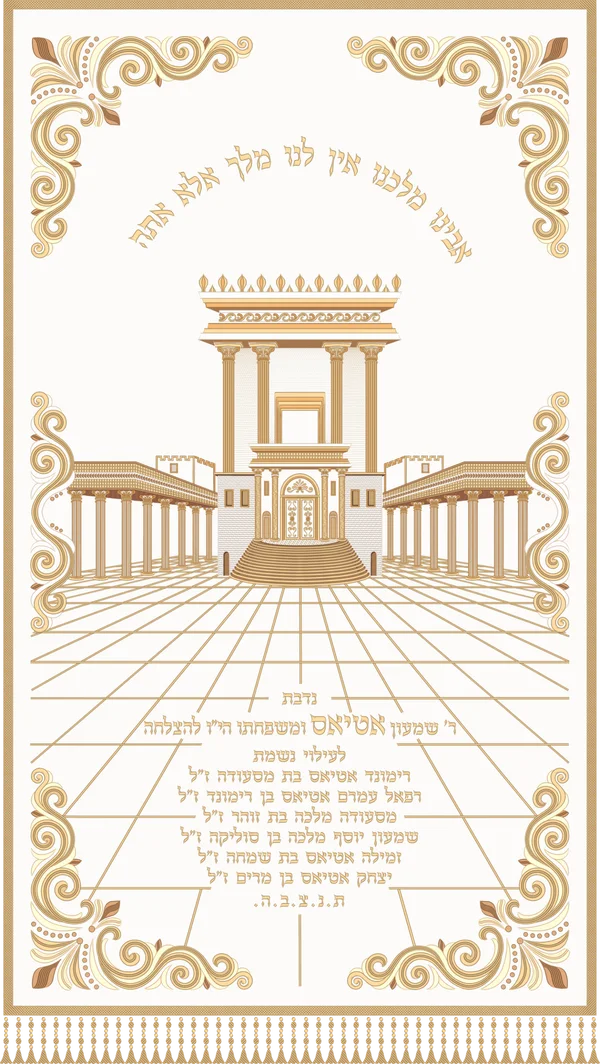
| Temple imagery | Remembrance of the Beit HaMikdash in Jerusalem | פרוכת בית מקדש מפואר |
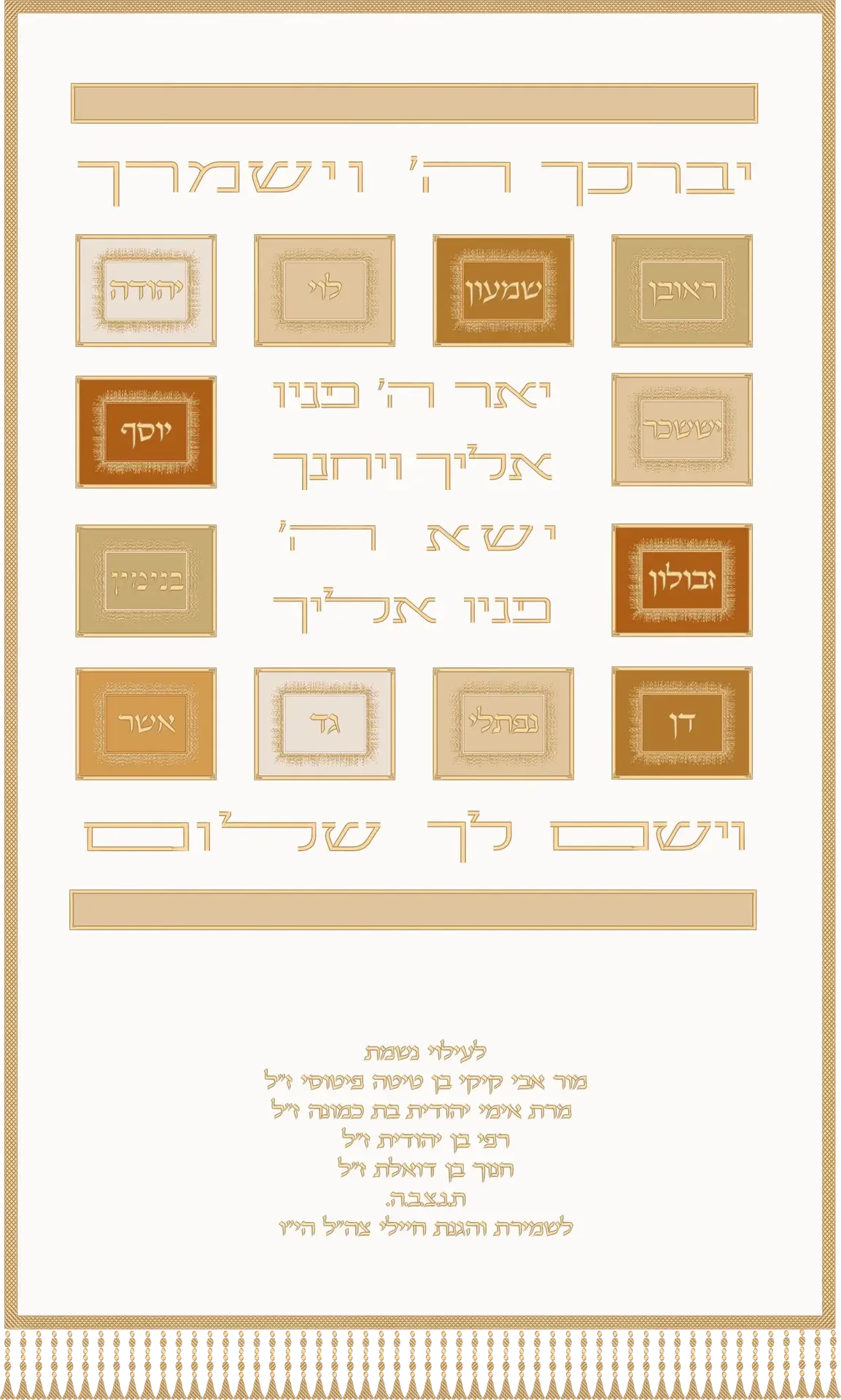
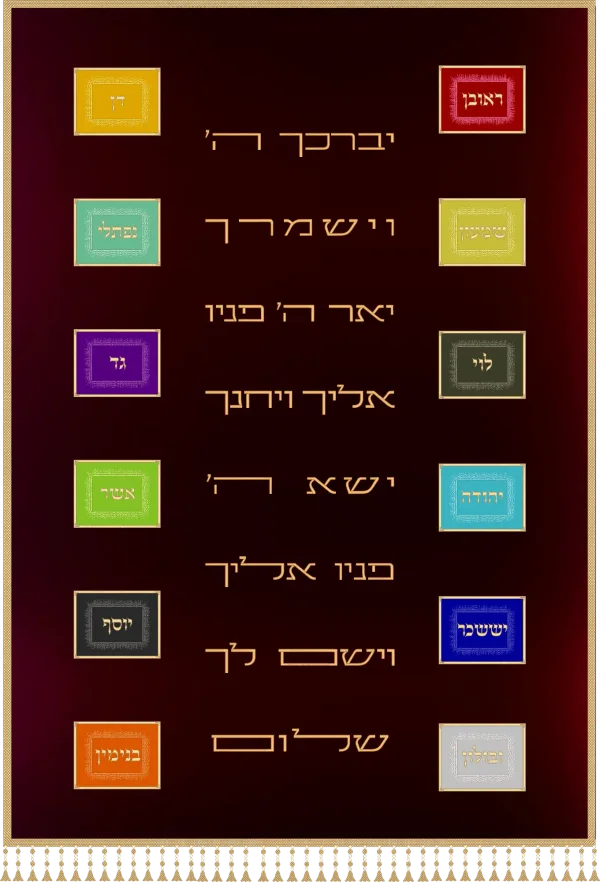
| Twelve Tribes | Unity of the Jewish people around the Torah | פרוכת שבטים עם מנורה |
| Tablets of the Covenant | The giving of the Torah at Sinai | פרוכת לוחות הברית עיטורים |
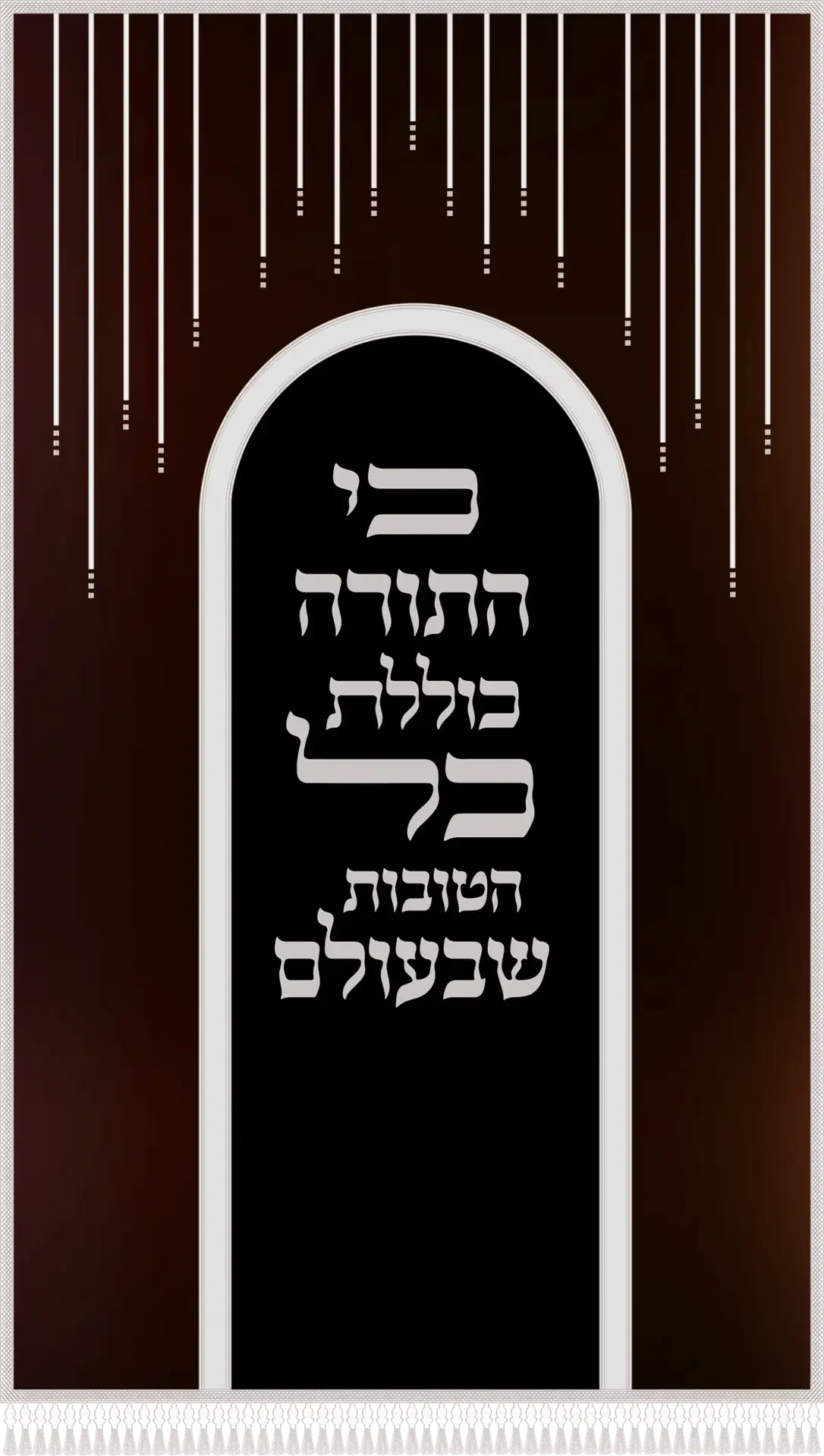
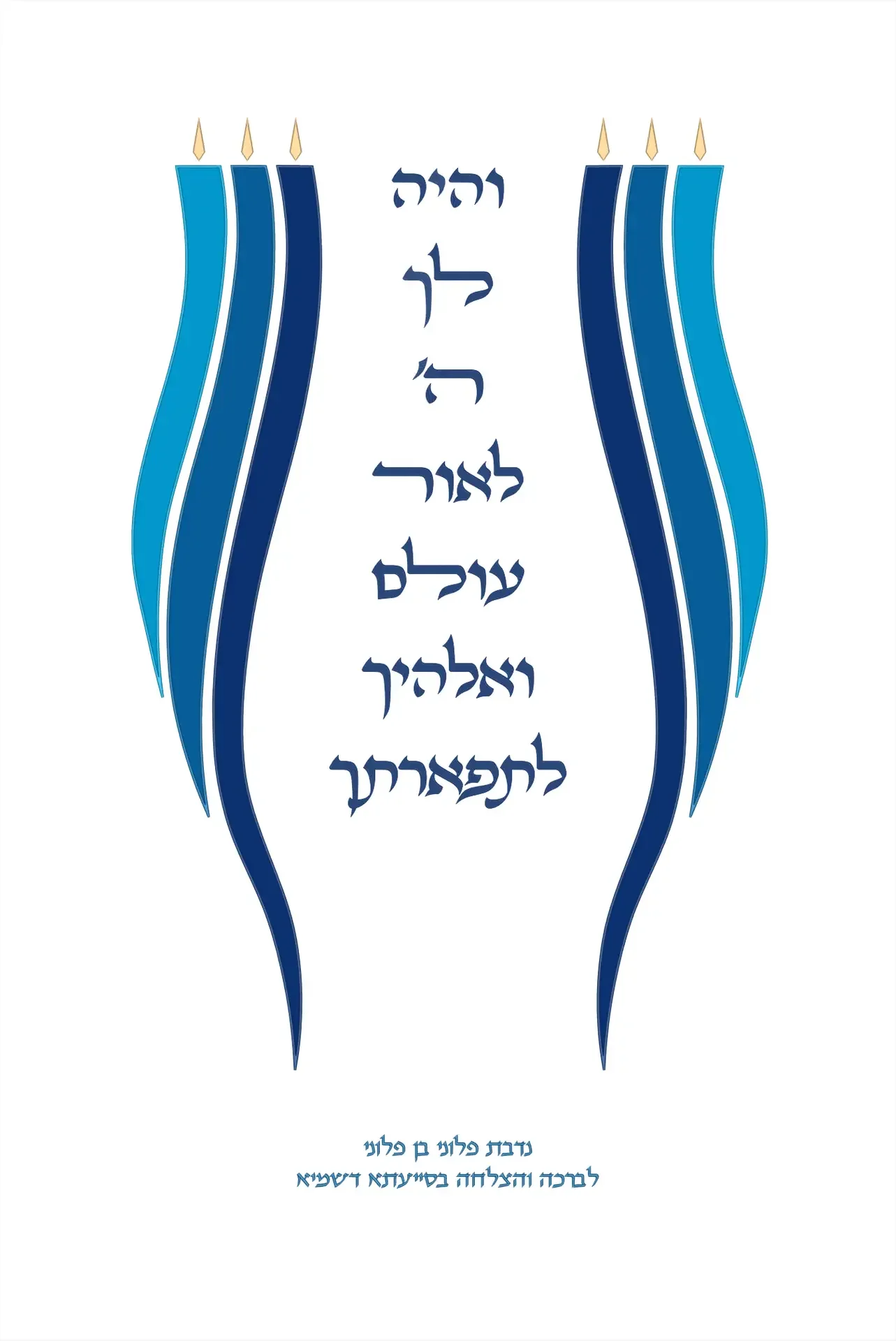
| Calligraphy verses | Prayer and personal intention | פרוכת ואשמרה תורתך קליגרפיה |
Browsing our gallery of parochot before a committee meeting can help narrow down which themes resonate most with the congregation.
Dedicating a Parochet in Memory or Honor of Someone
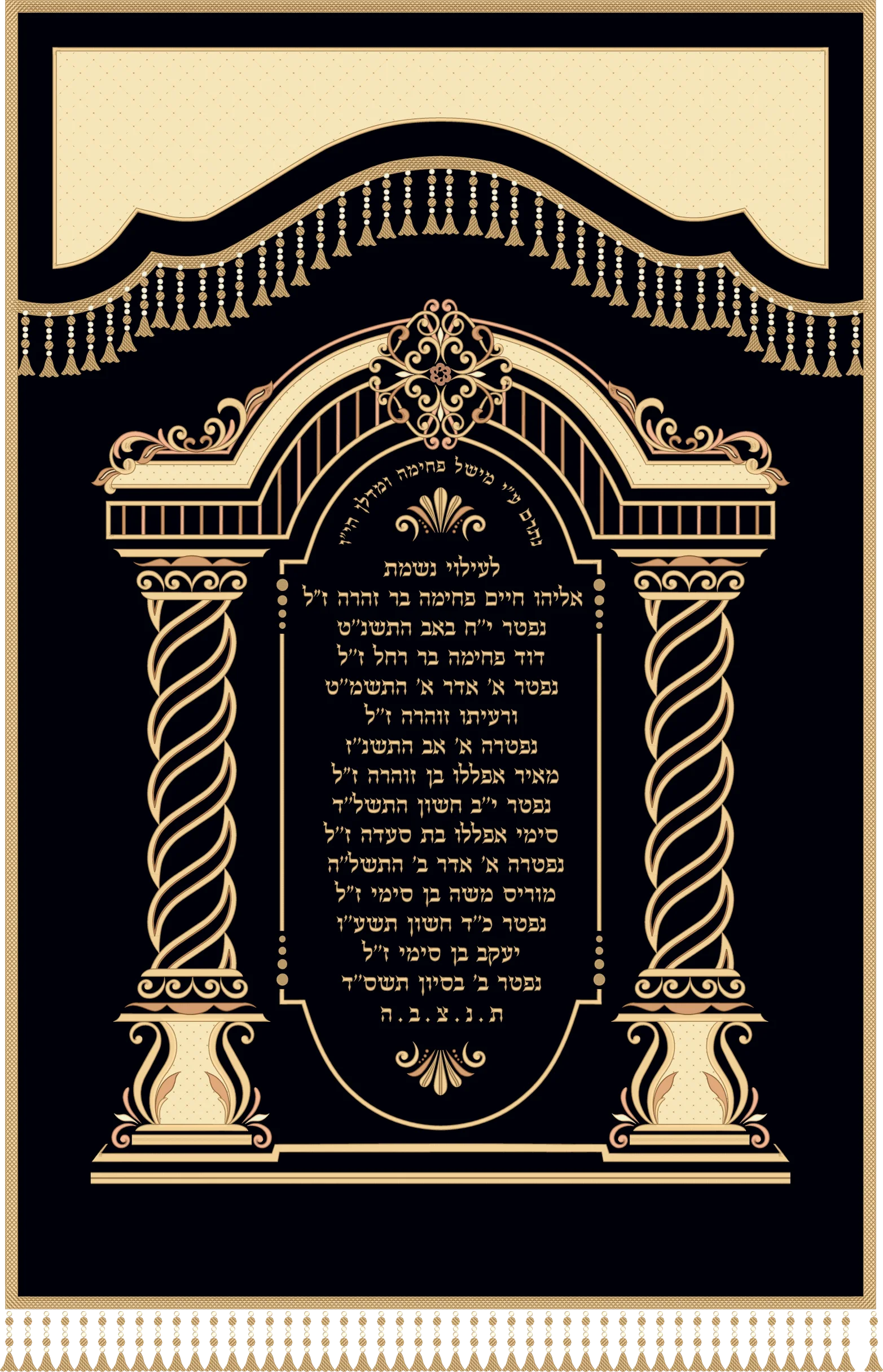
One of the most common ways a congregation funds a new פרוכת ארון קודש is through a dedication gift from a family marking a yahrzeit, a bar or bat mitzvah, a wedding anniversary, or simply a wish to give something lasting to their community. A small plaque or inscription is often added to note the dedication, so the gift continues to be remembered each time the ark is opened. This kind of giving ties the physical curtain to a personal story, turning a textile into a living memorial.
Steps for Selecting a New Ark Curtain
- Form a small committee representing different voices in the congregation.
- Set a budget and decide whether the project will be funded communally or through a dedication.
- Gather design inspiration, comparing fabrics, colors, and symbolic themes.
- Work with an embroidery workshop to finalize the design, lettering, and dedication text.
- Plan an unveiling, often timed to a holiday or a significant date for the sponsoring family.
Frequently Asked Questions
What is the difference between a parochet and a kapporet?
A parochet is the main curtain that covers the Torah ark, while a kapporet is typically a shorter decorative valance hung above it; the two are often designed and embroidered as a matching set.
Who usually pays for a new פרוכת ארון קודש?
Funding often comes either from the congregation's general budget or from an individual family who sponsors the curtain as a dedication in memory or honor of a loved one.
Can a congregation use more than one ark curtain?
Yes, many congregations keep a few curtains in rotation, such as a white one for the Days of Awe and others for the rest of the year, following a long-standing custom of dressing the ark for the season.
Conclusion
A new פרוכת ארון קודש is more than a textile purchase; it is an opportunity for a congregation to come together around a shared symbol of honor for the Torah. Whether the project begins with a committee's careful planning or a family's wish to dedicate something meaningful, the resulting curtain will greet the community at every service for years to come.
עוד מהעולם של ארגמן
פרוכות לארון קודש
Parochet Shvatim (פרוכת שבטים): The Ark Curtain That Unites the Twelve Tribes of Israel
פרוכת שבטים curtains embroider the Twelve Tribes of Israel, bringing unity, heritage, and beauty to the synagogue's aron kodesh.
פרוכות לארון קודש
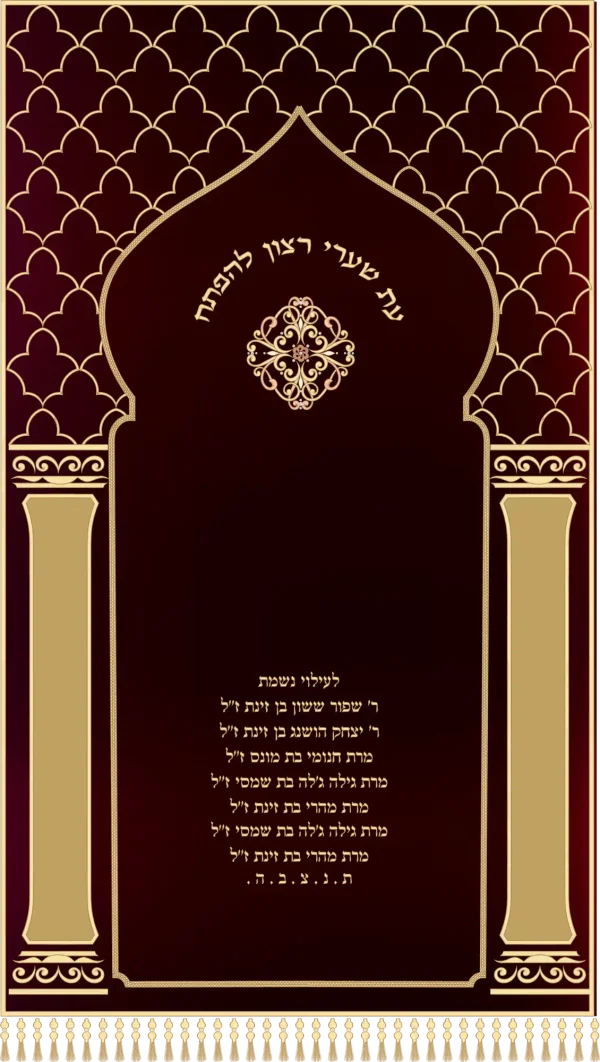
Parochet LeChagim (פרוכת לחגים): The Tradition of Festival Ark Curtains
A look at the parochet lechagim tradition - festival ark curtains that mark the Jewish holidays with fitting color and design.
פרוכות לארון קודש
Parochet Dugma Beit HaMikdash (פרוכת דגם בית המקדש): A Guide to the Temple-Pattern Ark Curtain
Discover what a פרוכת דגם בית המקדש is, the Temple motifs it features, and how to choose the right design for your Aron Kodesh.