פרוכות לארון קודש
Olut Parochet LeAron Kodesh (עלות פרוכת לארון קודש): What Really Shapes the Price
What really shapes the עלות פרוכת לארון קודש - fabric, embroidery, size, and custom details - explained simply for synagogues and donors.
מערכת ארגמן · 17 באוקטובר 2026 · 5 דק׳ קריאה
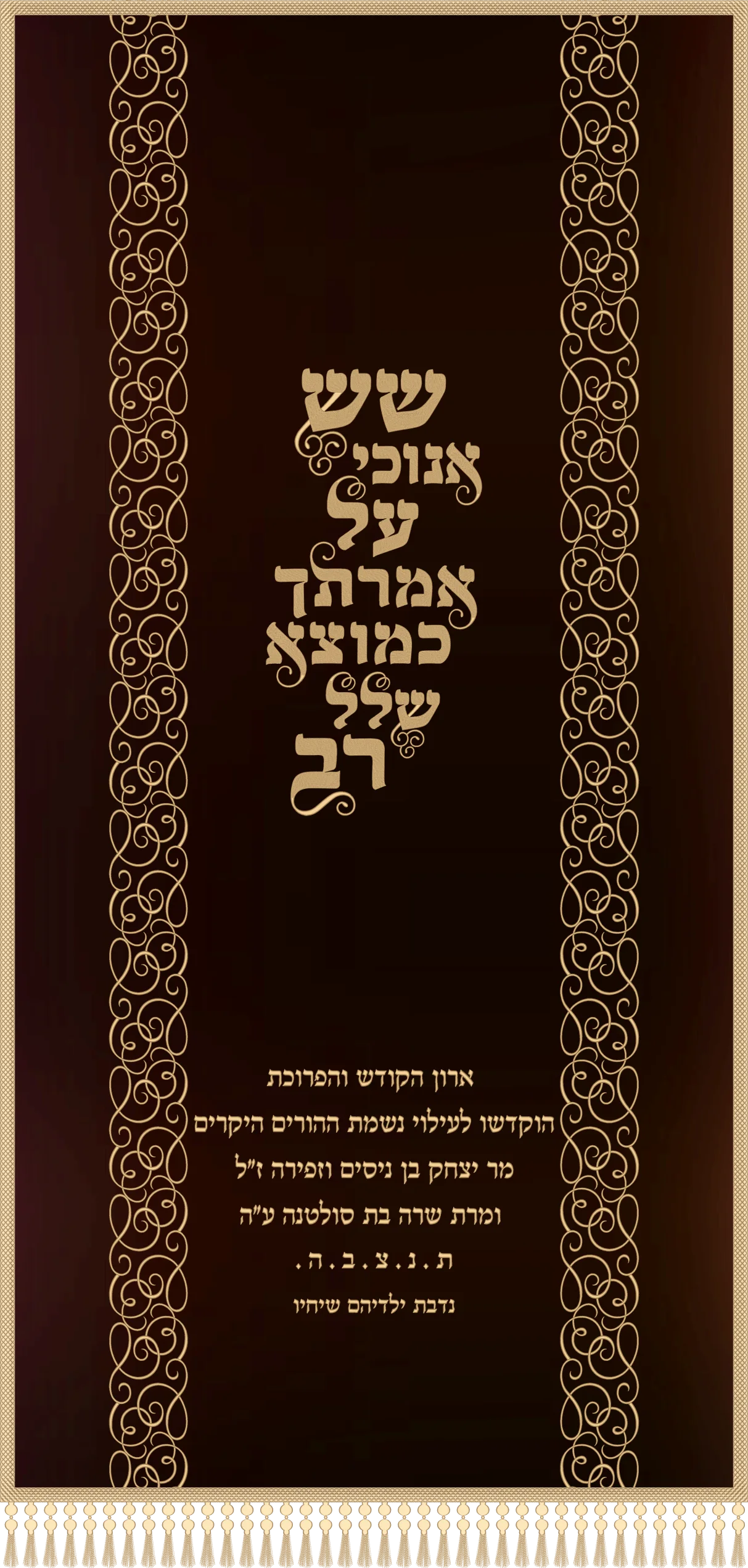
The עלות פרוכת לארון קודש (the cost of a parochet, the ornamental curtain hung before or inside the Torah ark) is shaped mainly by the fabric chosen, the density of the hand embroidery, the size of the ark opening, and any custom lettering or symbolic motifs a community requests. Because every parochet is created individually rather than mass-produced, prices vary more widely than they would for a standard textile item. Understanding these variables ahead of time helps a synagogue committee or a private donor plan a budget that matches both their vision and their means.
In Brief
- The עלות פרוכת לארון קודש is driven mainly by fabric quality, embroidery density, size, and design complexity.
- Hand-embroidered curtains generally cost more than printed or machine-stitched ones because of the skill and time involved.
- Adding gold or silver threadwork, custom verses, or symbolic imagery such as the Lion of Judah or the Tablets of the Covenant raises the price further.
- Getting an accurate quote usually requires sharing the ark's measurements along with a reference image, verse, or theme.
What Determines the עלות פרוכת לארון קודש
The עלות פרוכת לארון קודש is not a single fixed number but the sum of several choices made along the way. A simple curtain in a modest fabric with a short inscription will naturally cost less than a wide, richly embroidered parochet covering a large ark with gold accents, raised lettering, and a dedication panel. The table below summarizes the main factors that influence price.
| Factor | How It Affects the Price |
|---|---|
| Fabric | Velvet, silk, and blended fabrics vary in cost and in how they hold embroidery |
| Embroidery technique | Dense hand embroidery takes longer and costs more than simple or machine-stitched designs |
| Size | Larger arks require more fabric and more embroidery hours |
| Added details | Gold or silver threadwork, custom text, and symbolic motifs each add to the total |
Fabric and Embroidery: Where Most of the Cost Lives
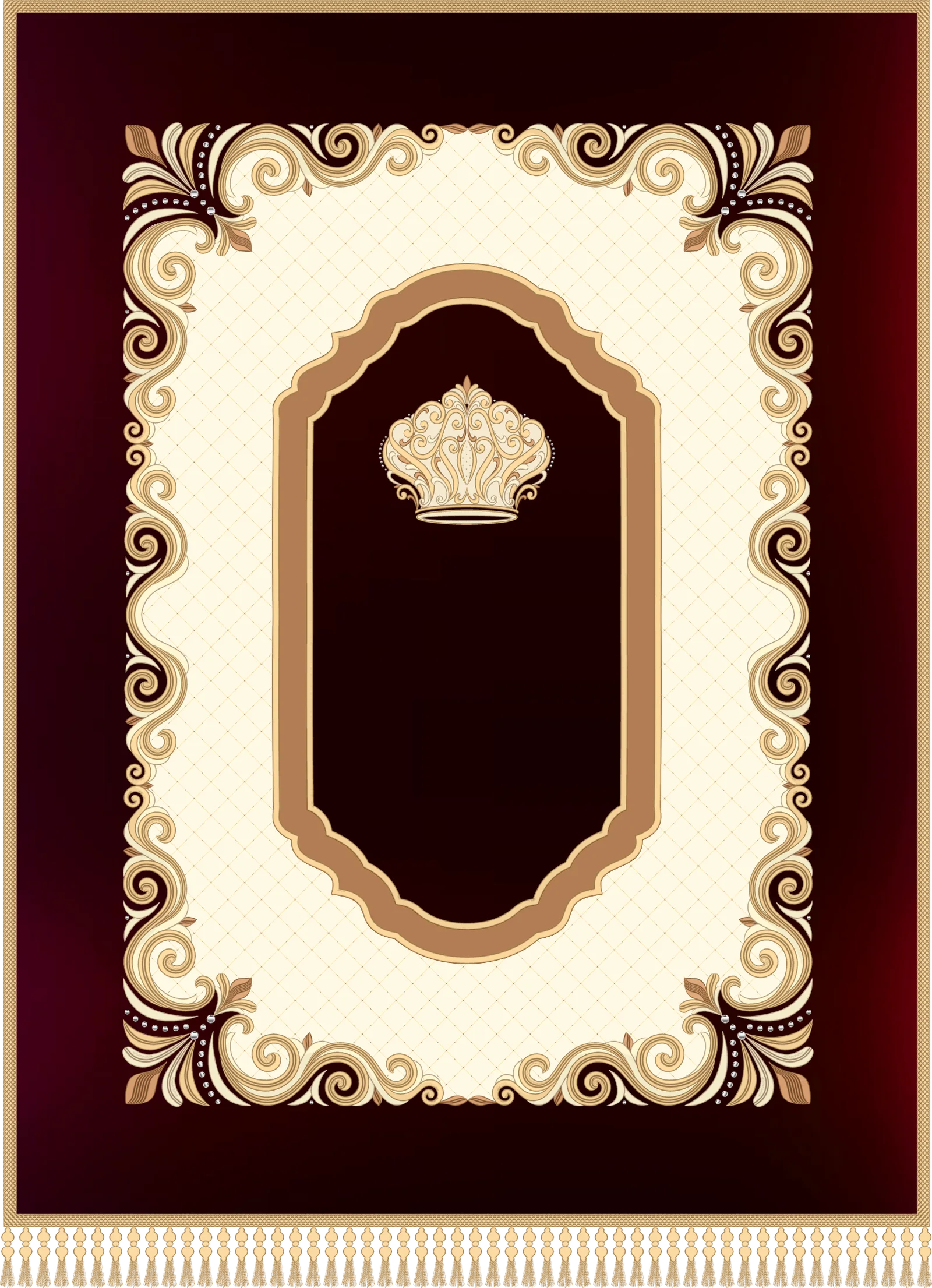
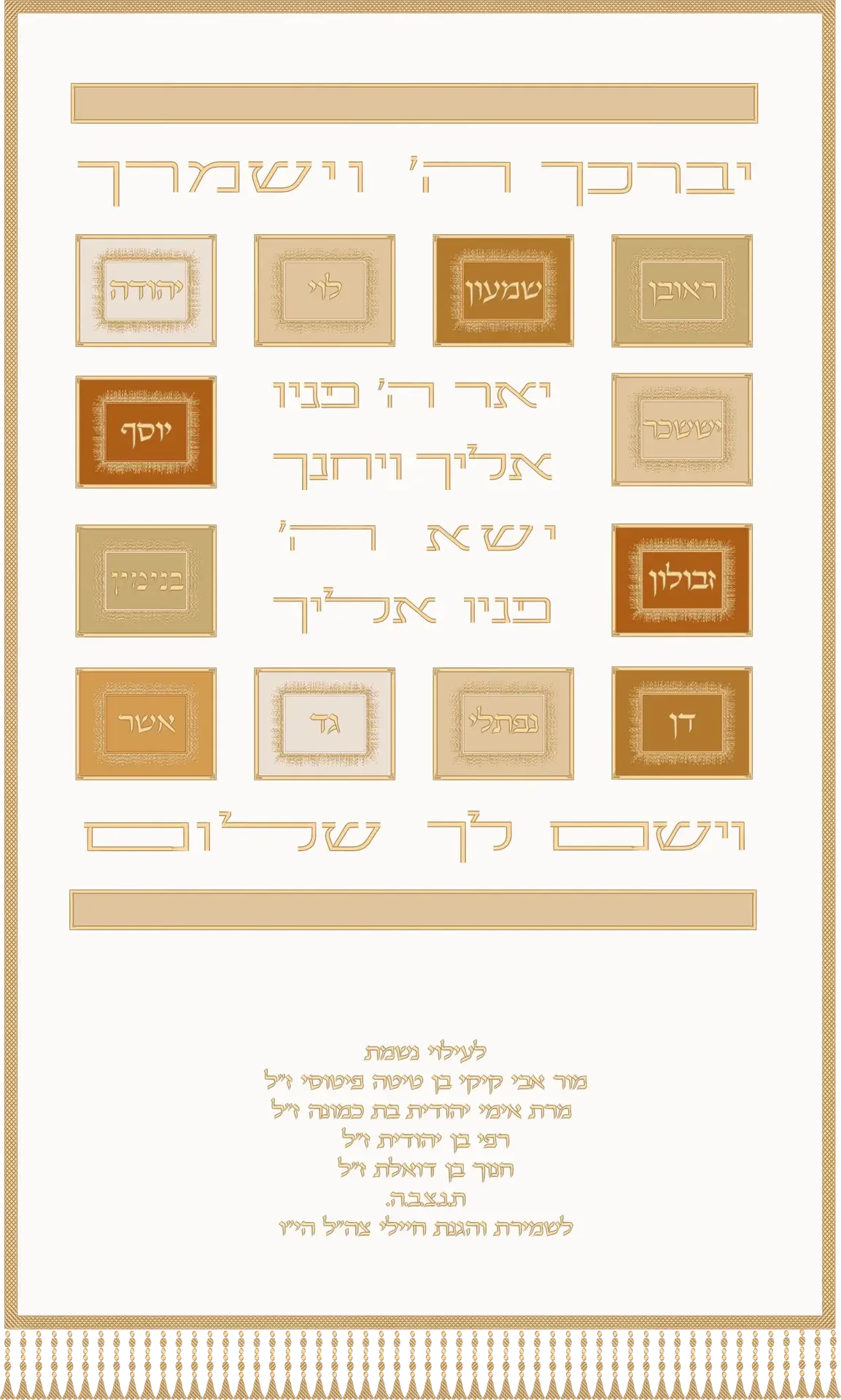
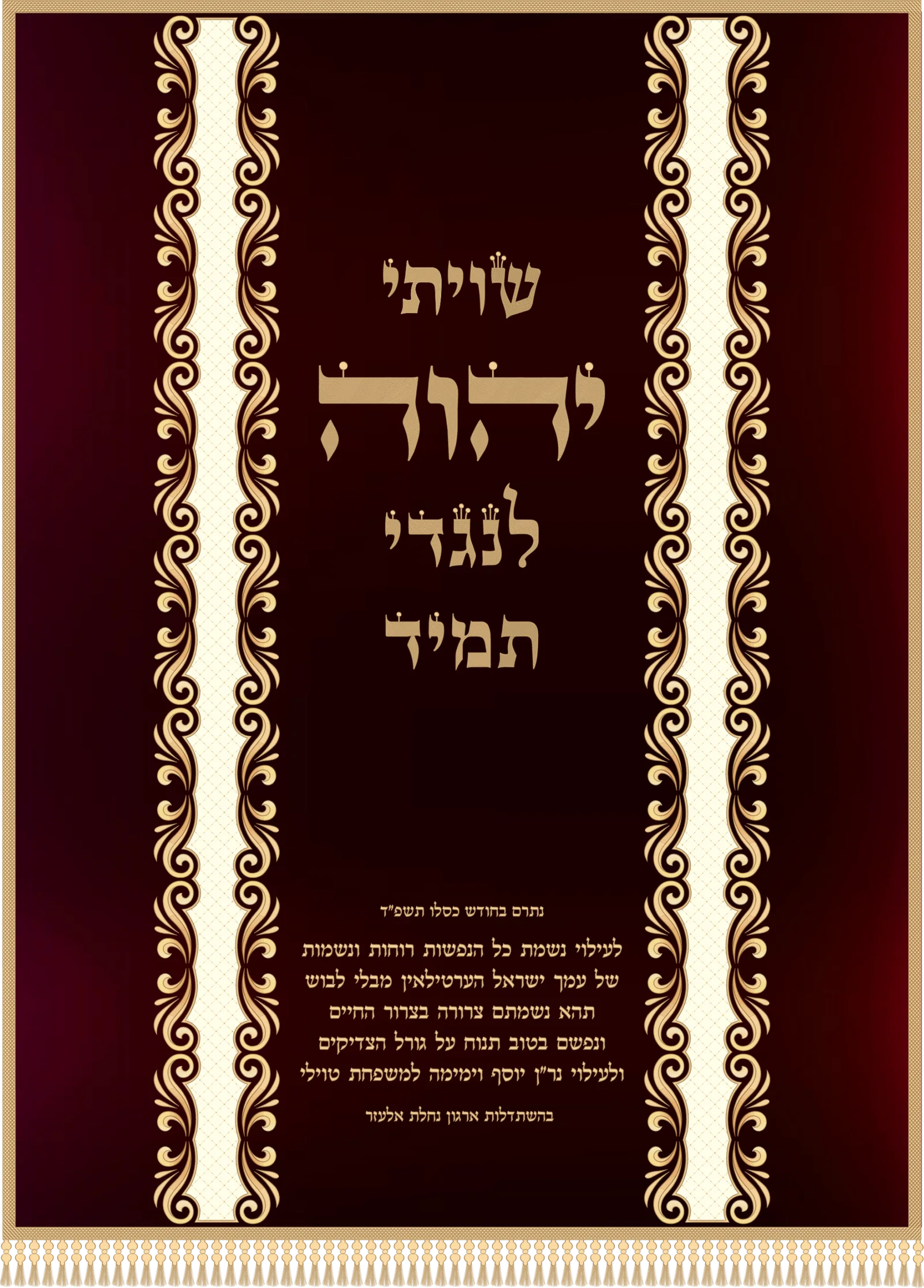
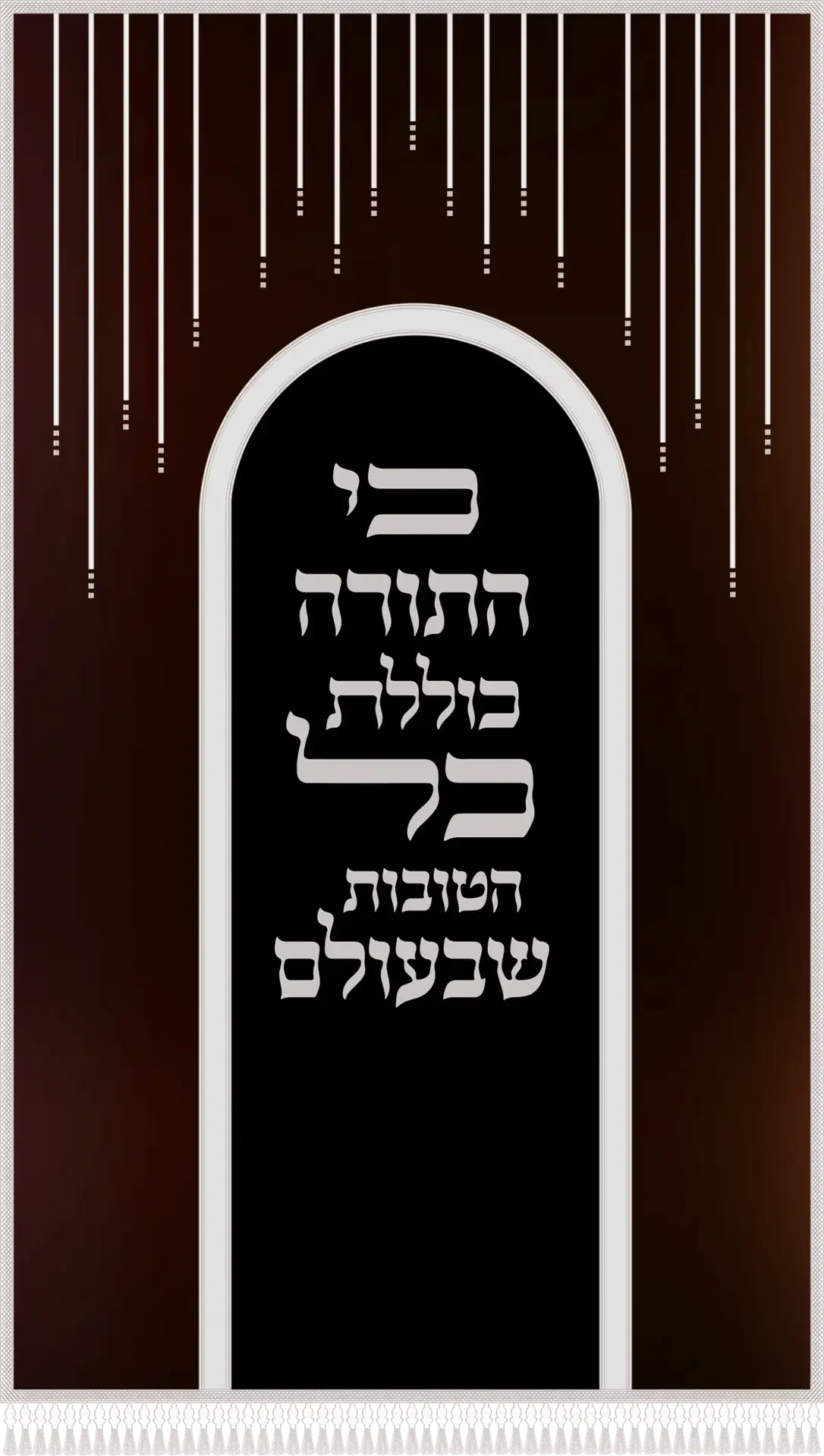
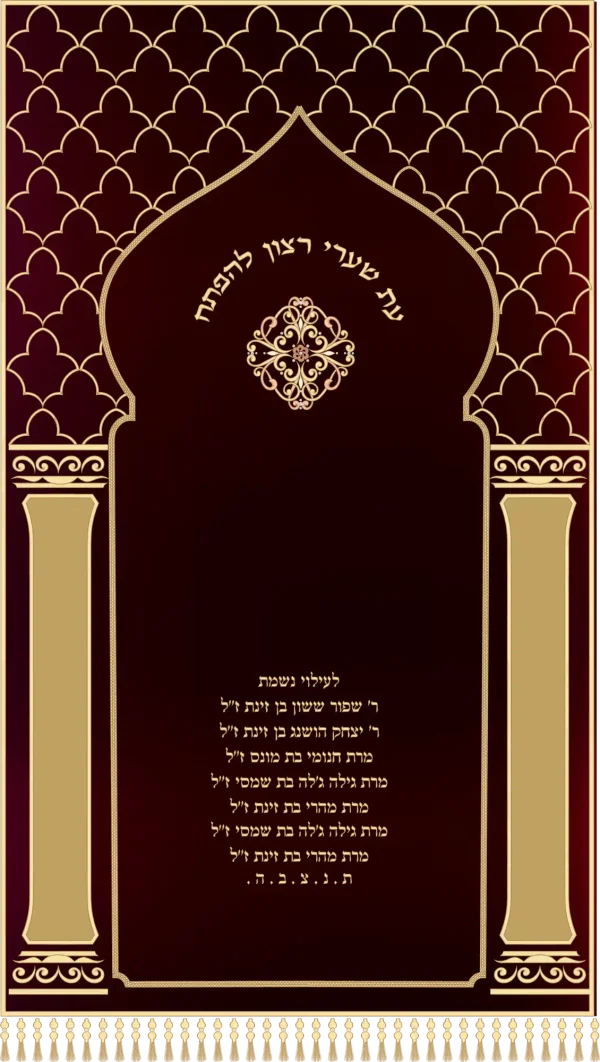
Fabric and embroidery technique are usually the two biggest contributors to the final price. A plain backdrop with minimal stitching costs far less than a design with layered, dimensional embroidery or metallic thread. Communities exploring richer options often look at pieces like a crown-motif parochet, where the royal symbolism and dense gold embroidery naturally sit at the higher end of the spectrum, compared with a cleaner design such as a classic Moroccan-gate style curtain. Browsing our gallery of parochot is a useful way to see how different fabric and stitching choices translate into visibly different levels of detail.
Size, Shape, and the Aron Kodesh
Size is a straightforward but important part of the equation: the larger and wider the ark opening, the more fabric and embroidery hours a parochet requires. Arks with unusual proportions, rounded tops, or double-door openings may also need extra planning to keep the design balanced, which can add to the cost. This is why workshops typically ask for exact measurements of the ark before giving a firm price, rather than quoting from general dimensions alone.
Custom Details That Add to the Price
Beyond fabric and size, personal and symbolic details shape the final עלות פרוכת לארון קודש. Common additions include:
- A dedication inscription in memory of or in honor of a family member or community figure.
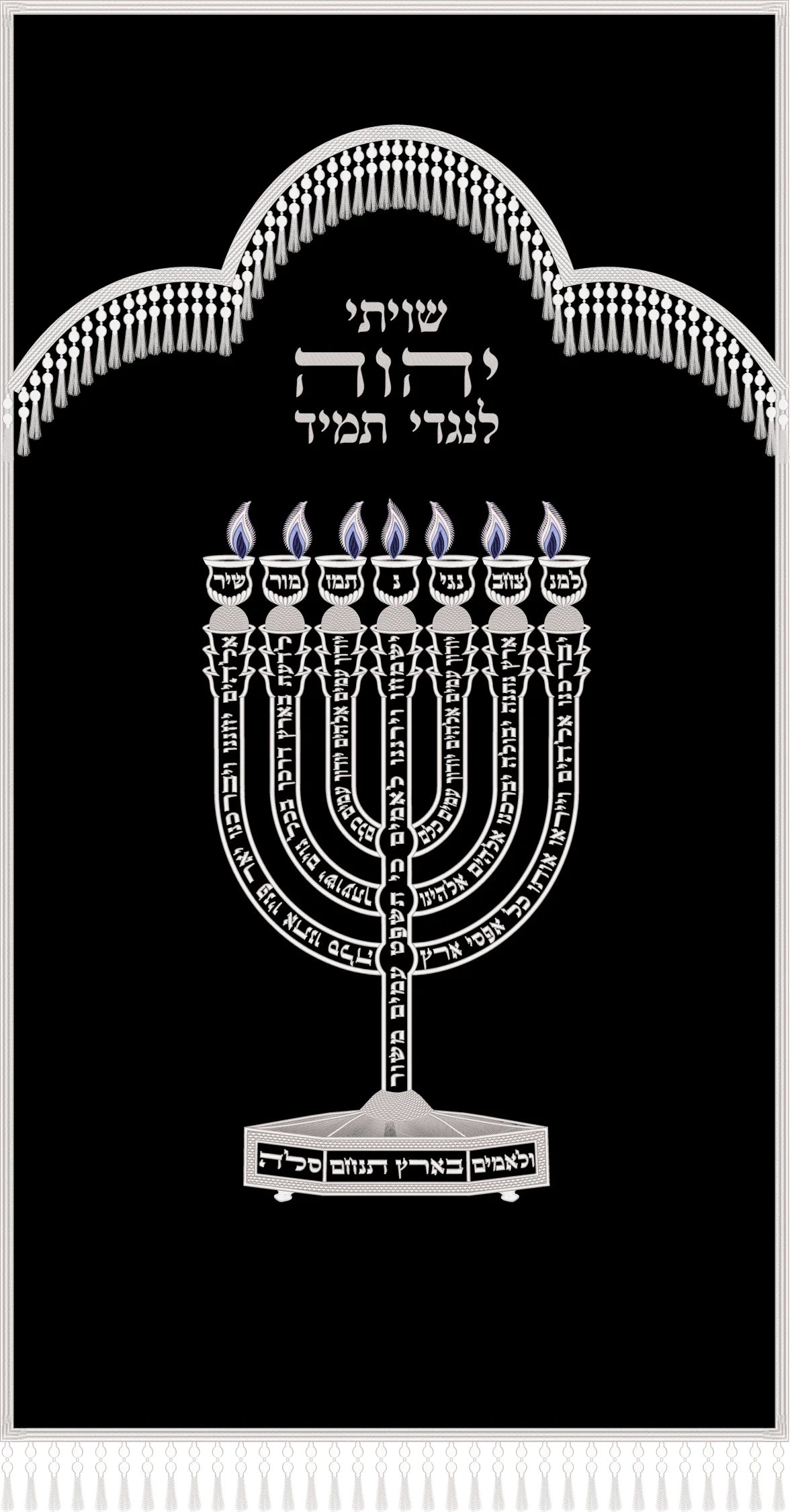
- Symbolic imagery such as the Tablets of the Covenant, a menorah, or tribal emblems, as seen in a design like the Tablets of the Covenant parochet with a golden menorah.
- A decorative frame or ornamental border, such as the layered stitching used in a square-frame embroidered curtain.
- Seasonal or holiday-specific versions meant to be changed throughout the year.
Each of these choices is optional, which means a community can scale the design up or down to fit its budget while still honoring the Aron Kodesh with dignity. For background on the ark's traditional role in the synagogue, resources such as the Wikipedia entry on the Torah ark offer helpful general context.
Getting an Accurate Quote
Because no two arks or communities are identical, the most reliable way to understand the likely cost is to share specifics with a workshop: the ark's width and height, the fabric and color preferences, any verse or dedication text, and a sense of how elaborate the embroidery should be. A workshop such as Hichala (היכלא), which hand-embroiders parochot and other Judaica, can then outline how each of these choices moves the final price up or down before any commitment is made.
Frequently Asked Questions
Does a hand-embroidered parochet always cost more than a printed one?
Generally yes, because hand embroidery requires significantly more skilled labor and time than printing or basic machine stitching, which is usually reflected in the price.
What measurements does a workshop need before pricing a parochet?
Most workshops ask for the exact width and height of the ark opening, since size has a direct effect on how much fabric and embroidery work the project requires.
Can the עלות פרוכת לארון קודש be reduced without lowering its honor?
Yes, choosing a simpler fabric, a smaller inscription, or a cleaner design instead of dense gold embroidery can lower the cost while the parochet still honors the Aron Kodesh beautifully.
In the end, the עלות פרוכת לארון קודש reflects a combination of fabric, craftsmanship, size, and personal meaning rather than a single standard figure. By clarifying these priorities early, a synagogue or family can arrive at a parochet that feels right both spiritually and financially.
עוד מהעולם של ארגמן
פרוכות לארון קודש
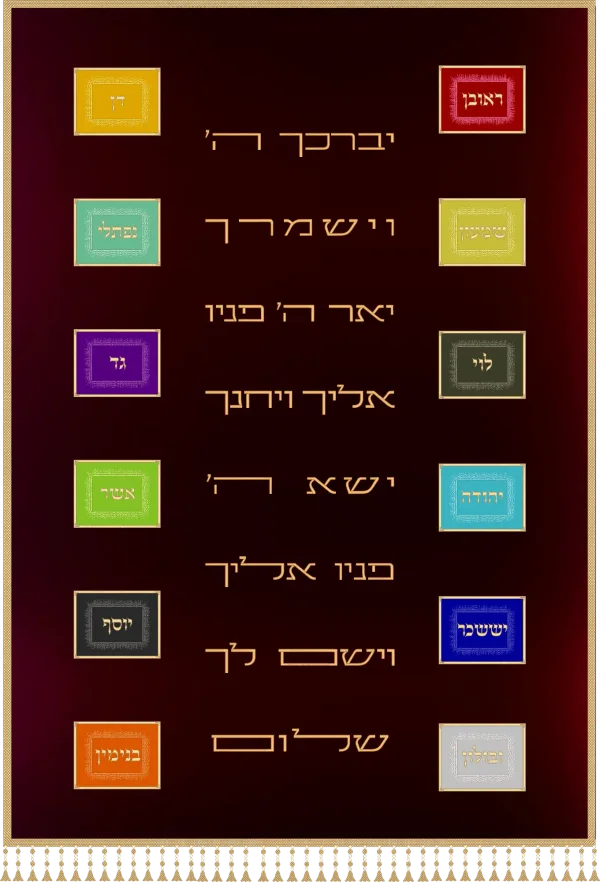
Parochet Shvatim (פרוכת שבטים): The Ark Curtain That Unites the Twelve Tribes of Israel
פרוכת שבטים curtains embroider the Twelve Tribes of Israel, bringing unity, heritage, and beauty to the synagogue's aron kodesh.
פרוכות לארון קודש
Parochet LeChagim (פרוכת לחגים): The Tradition of Festival Ark Curtains
A look at the parochet lechagim tradition - festival ark curtains that mark the Jewish holidays with fitting color and design.
פרוכות לארון קודש
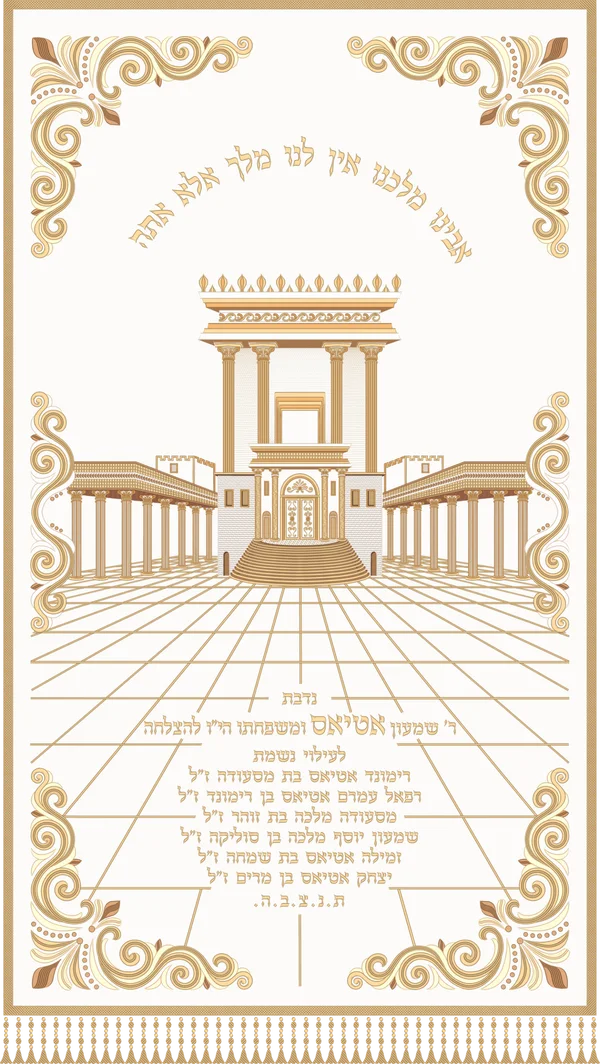
Parochet Dugma Beit HaMikdash (פרוכת דגם בית המקדש): A Guide to the Temple-Pattern Ark Curtain
Discover what a פרוכת דגם בית המקדש is, the Temple motifs it features, and how to choose the right design for your Aron Kodesh.